
- Unlock high commission opportunities in the lucrative corporate incentive travel market.
- Build long-term relationships with corporate clients for recurring revenue.
- Expand your expertise and boost your agency's brand by specializing in unforgettable, high-impact experiences.
Are you a travel agent who is interested in making the HIGHEST commissions possible in travel?
This is quite possibly the MOST lucrative opportunity available for travel agents.
Don't believe me?
U.S. businesses spend $22.5 billion annually on incentive travel, with average budgets of $6,000 per person.
Still not convinced? Check out these other facts:
Recession-Resistant
Even during economic downturns, companies continue to invest in incentive programs to motivate employees and drive results.
Repeat Business
Successful programs often lead to long-term client relationships and recurring revenue.
Creative Freedom
Agents can showcase their expertise by designing unique, high-end experiences.
Professional Development
Working on incentive programs allows agents to expand their skills in event planning, group travel, and corporate relations.
Networking Opportunities
Incentive travel often involves working with high-level executives and decision-makers.
Follow along in our guide to see how you can make the most of this lucrative segment of the travel industry.
Corporate incentive travel is a powerful tool for motivating employees, strengthening client relationships, and fostering business growth.
For travel agents, this niche offers a lucrative opportunity to expand their services and build lasting partnerships with corporate clients.
This section introduces corporate incentive travel, explores its importance in the business world, and highlights why travel agents should consider entering this rewarding market.
What Is Corporate Incentive Travel?
Corporate incentive travel refers to trips or experiences offered by companies as rewards for achieving specific business goals. These programs aim to motivate employees, recognize exceptional performance, or express gratitude to clients and partners.
Key characteristics of corporate incentive travel include:
- Tailored Experiences: Programs are often customized to align with a company's culture and objectives.
- Focus on Excellence: Participants typically include top performers, loyal clients, or valuable partners.
- All-Inclusive Approach: Incentive trips usually cover transportation, accommodations, meals, and unique experiences.
Unlike standard business trips, which focus on meetings and conferences, incentive travel emphasizes relaxation, enjoyment, and team bonding.
The Growth and Importance of Incentive Travel in the Corporate Sector
Incentive travel has become a cornerstone of employee recognition programs, especially as companies strive to enhance workforce engagement and loyalty.
According to the Incentive Research Foundation (IRF), companies increasingly view travel rewards as more impactful than cash incentives due to their emotional and experiential value.
Key drivers of this growth include:
- Globalization of Business: Companies with a diverse workforce seek shared experiences to unify teams.
- Post-Pandemic Recovery: Businesses aim to rebuild morale and rekindle connections through travel.
- Rising Competition: Offering exclusive travel rewards helps companies attract and retain top talent.
A well-executed incentive travel program can lead to tangible benefits, such as increased productivity, improved employee retention, and stronger client relationships.
Example:
A technology company offering a luxurious team-building retreat in the Maldives saw a 25% boost in employee satisfaction scores the following quarter.
Why Travel Agents Should Enter the Incentive Travel Market
For travel agents, corporate incentive travel presents a chance to tap into a high-value niche.
Here’s why this market is worth pursuing:
Higher Profit Margins
Corporate budgets for incentive travel often exceed leisure travel spending, allowing agents to secure premium commissions.
Long-Term Relationships
Unlike one-time leisure bookings, corporate clients can provide repeat business and referrals.
Diverse Opportunities
From luxury cruises to eco-friendly retreats, incentive travel offers a range of possibilities to showcase your expertise.
Expanding Market
The corporate sector’s growing reliance on travel rewards means consistent demand for skilled agents.
Pro Tip: Position yourself as a strategic partner who understands corporate goals, not just a travel planner.
By entering the incentive travel market, travel agents can not only BOOST their revenue but also elevate their brand as specialists in creating unforgettable, high-impact experiences.
2. Understanding Corporate Incentive Travel
Corporate incentive travel offers a unique opportunity to create meaningful experiences that drive business success.
To fully grasp its potential, it’s essential to understand what sets this niche apart and the various ways it can be tailored to meet corporate goals.
Definition and Key Features
Corporate incentive travel is a rewards-based program designed to recognize and motivate individuals or teams by providing an extraordinary travel experience.
These programs often focus on:
- Celebration and Recognition: Highlighting achievements or milestones in a memorable way.
- Team Bonding: Strengthening relationships among colleagues through shared adventures.
- Luxury and Exclusivity: Creating experiences that stand out from routine travel.
Key features include:
- Customization: Every aspect, from destination to activities, is tailored to align with company values and objectives.
- Memorability: The emphasis is on crafting experiences that inspire loyalty and motivation.
- All-Inclusive Packages: Covering accommodations, meals, activities, and entertainment for a seamless journey.
Types of Incentive Travel Programs
Corporate incentive travel isn’t a one-size-fits-all solution. Instead, it encompasses various program types designed to meet specific corporate needs.
1. Sales Incentives
These programs reward top-performing sales professionals or teams who exceed targets.
Example Activities:
- A week-long Caribbean cruise for the highest earners.
- A private safari tour in Africa with networking events.
Why It Works:
Sales teams are often goal-driven, and offering exclusive travel rewards adds motivation beyond monetary incentives.
2. Employee Recognition
Recognizing employees’ hard work and dedication is vital for maintaining morale and reducing turnover.
Example Activities:
- A luxurious spa retreat for long-serving employees.
- An all-expenses-paid trip to Hawaii for employees voted "most valuable" by peers.
Why It Works:
When employees feel valued, they are more likely to stay loyal and productive.
3. Client Appreciation
Companies often use travel incentives to strengthen relationships with high-value clients or partners.
Example Activities:
- Hosting a wine-tasting tour in Napa Valley.
- A group cultural exploration trip to Japan.
Why It Works:
Unique travel experiences create lasting memories, ensuring clients associate the company with positive emotions.
The Difference Between Corporate Incentive Travel and Leisure Travel
While corporate incentive travel and leisure travel both involve exploration and relaxation, their goals, structure, and execution are fundamentally different:
| Aspect | Corporate Incentive Travel | Leisure Travel |
|---|---|---|
| Purpose | Motivate, reward, or build relationships | Personal relaxation and exploration |
| Participants | Groups (employees, clients, or partners) | Individuals, families, or friends |
| Customization | Aligned with corporate objectives and branding | Tailored to individual preferences |
| Budgeting | Often higher; funded by corporate budgets | Paid for by the traveler |
| Experiences | Focus on luxury, exclusivity, and team bonding activities | Can range from budget-friendly to luxury |
Your Host Travel Agency
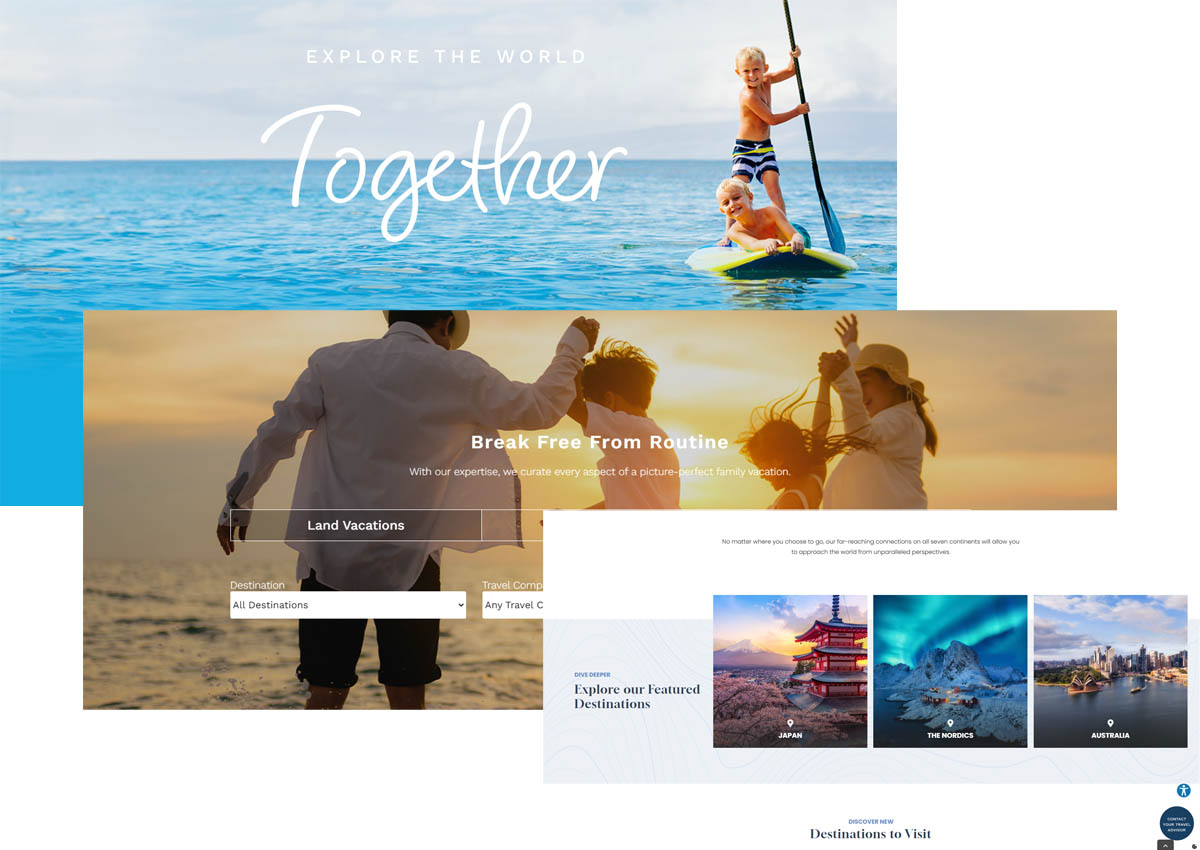
Launched by industry veterans, Vincent Vacations is working to carve out a niche as a boutique, community-driven option designed by advisors, for advisors.
Learn MoreIncentive travel requires careful alignment with corporate goals, making it more complex but also more rewarding for agents who master it.
Understanding these foundational elements of corporate incentive travel equips travel agents to approach this market with confidence.
By recognizing its unique features and tailoring programs to corporate objectives, agents can create unforgettable experiences that exceed expectations.
3. Benefits of Corporate Incentive Travel
Corporate incentive travel delivers significant advantages for both businesses and travel agents.
By offering unique, experience-driven rewards, companies can motivate teams, foster connections, and drive success. At the same time, travel agents gain access to a lucrative and growing market.
For Businesses
Incorporating incentive travel into a business strategy goes beyond offering a perk—it creates tangible benefits that impact the bottom line.
1. Boosting Employee Morale and Productivity
Recognizing employees’ efforts with travel rewards boosts their morale, leading to increased engagement and productivity. A motivated workforce is more likely to exceed expectations and contribute to the company’s growth.
Key Advantages:
Reducing burnout by providing rejuvenating experiences.
Encouraging teamwork through shared group activities.
Enhancing loyalty and reducing turnover rates.
Example:
A survey by the Incentive Research Foundation found that 96% of employees felt more motivated to achieve goals when incentivized with travel rewards.
2. Improving Client and Partner Relationships
Corporate incentive travel is an excellent tool for strengthening relationships with clients and partners. Exclusive experiences foster goodwill and ensure the company stays top of mind.
How It Helps:
Building trust through personal connections.
Enhancing client satisfaction and loyalty.
Opening doors to future collaborations.
Example Activities:
- Hosting a partner retreat at a five-star Caribbean resort.
- Offering an exclusive wine-tasting tour to celebrate a client milestone.
3. Increasing Sales and Revenue
Incentive travel programs tied to sales goals inspire employees and teams to push their limits. This focus on achievement translates to improved sales figures and a more competitive edge.
Proven Results:
Sales teams often outperform targets when motivated by a high-value travel reward.
The prestige associated with winning such rewards encourages healthy competition and team spirit.
Case in Point:
A financial firm offering an incentive trip to the Amalfi Coast saw a 30% increase in quarterly sales compared to the previous year.
For Travel Agents
For travel agents, corporate incentive travel offers unparalleled opportunities to grow their businesses and reputation.
1. Higher Profit Margins
Corporate incentive trips typically involve larger budgets compared to individual leisure travel. Companies often invest in luxury accommodations, premium activities, and exclusive experiences, leading to higher commissions.
Pro Tip:
Focus on providing value-added services, such as concierge-level support or unique customization, to justify premium pricing.
2. Building Long-Term Corporate Relationships
Corporate clients often seek reliable travel agents for recurring programs, creating opportunities for repeat business and referrals. Becoming a trusted partner means consistent revenue streams and a growing client base.
What to Focus On:
Excellent service delivery to exceed client expectations.
Transparent communication and flexibility to adapt to changing needs.
3. Expanding into Niche Markets
Specializing in corporate incentive travel allows agents to enter a niche market with less competition and greater potential for growth. Agents can tailor services to specific industries, such as technology, pharmaceuticals, or finance, enhancing their expertise and marketability.
Benefits of Specialization:
Attracting high-value clients seeking specialized services.
Differentiating your agency from general travel competitors.
Corporate incentive travel represents a win-win opportunity: businesses achieve their goals while travel agents gain access to a profitable, rewarding niche. By understanding and promoting these benefits, agents can position themselves as indispensable partners in crafting unforgettable corporate experiences.
Become a Travel Agent: Unleash Your Full Potential
Ready for a career that's as fulfilling as it is rewarding? Becoming a travel agent with Vincent Vacations means building a business around your passion for travel.
4. The Planning Process
Effective planning is the backbone of a successful corporate incentive travel program. Travel agents play a vital role in ensuring every aspect aligns with the client’s objectives and delivers a seamless, memorable experience. This section outlines the critical steps in planning, from understanding corporate goals to creating a client-focused strategy.
Initial Consultation: Understanding Corporate Goals and Expectations
The planning process begins with an in-depth consultation to uncover the client’s vision and objectives for the incentive travel program. This step ensures the travel experience directly supports the company’s goals.
Key Questions to Ask:
- What are the primary objectives of this program? (e.g., boosting sales, team bonding, client appreciation)
- Who is the target audience? (e.g., employees, clients, or partners)
- What is the desired tone and style? (e.g., luxurious, adventurous, or culturally enriching)
- Are there any non-negotiable requirements? (e.g., specific destinations, activities, or budgets)
Pro Tip: Create a detailed questionnaire or checklist to ensure no critical details are overlooked.
Example:
A tech company may want to reward its top 20 salespeople with a luxury retreat that combines relaxation and networking opportunities.
Forming the Team: Collaboration with Key Stakeholders
A successful incentive travel program relies on collaboration between the travel agent and the client’s internal team. Identifying and involving key stakeholders ensures smooth decision-making and program execution.
Stakeholders to Include:
- Corporate Leadership: Defines goals and allocates the budget.
- HR or Event Planners: Provides insights into participant preferences and expectations.
- Marketing Teams: Helps align the travel program with branding.
Best Practices for Collaboration:
- Schedule regular check-ins to review progress and address concerns.
- Use project management tools like Zoho Projects or Trello to streamline communication.
- Assign clear roles and responsibilities to avoid duplication of efforts.
Creating a Timeline: Step-by-Step Milestones
Establishing a timeline with clear milestones ensures that every aspect of the program is completed on schedule. This is particularly critical for managing complex programs involving multiple vendors, destinations, and participants.
Sample Timeline:
- 6-12 Months Before Travel: Initial consultation, destination selection, and budget approval.
- 4-6 Months Before Travel: Finalize bookings, confirm program details, and launch participant registration.
- 2-4 Months Before Travel: Send invitations, finalize itineraries, and arrange transportation.
- 1 Month Before Travel: Distribute travel documents, hold pre-trip briefings, and confirm all arrangements.
- Post-Trip: Gather feedback and share success metrics with the client.
Pro Tip: Build in extra time for unexpected delays, especially when dealing with international travel or group logistics.
Developing a Client-Centric Strategy
Crafting a strategy that prioritizes the client’s needs and goals is essential for a successful program. This involves balancing corporate objectives with participants’ preferences to create a personalized and impactful experience.
Steps to Develop the Strategy:
- Align with Corporate Branding: Ensure the trip reflects the company’s culture and values.
- Prioritize Participant Experience: Tailor activities and amenities to the interests of the attendees.
- Incorporate Flexibility: Offer optional activities or customizable itineraries to accommodate diverse preferences.
- Measure Success: Define key performance indicators (KPIs) such as attendee satisfaction, ROI, or sales growth post-trip.
Example:
For a pharmaceutical company rewarding top researchers, plan a program that includes luxury accommodations, wellness activities, and networking opportunities with industry leaders.
By following these steps, travel agents can deliver well-organized, goal-oriented incentive travel programs that exceed client expectations and leave a lasting impression.

5. Destination Selection
Choosing the right destination is one of the most critical aspects of planning corporate incentive travel. A well-selected destination enhances the overall experience, aligns with corporate goals, and creates lasting memories for participants.
Factors to Consider When Choosing Destinations
When selecting a destination for a corporate incentive program, several factors come into play to ensure it meets the client’s objectives and the participants' expectations.
1. Accessibility
Proximity to Participants: Choose a location that minimizes travel time, especially for shorter programs.
Transportation Options: Look for destinations with well-connected airports and reliable local transportation.
Travel Requirements: Consider visa and entry restrictions for international destinations.
Pro Tip: Avoid locations with limited flight availability or frequent delays to reduce logistical challenges.
2. Cultural and Recreational Activities
Cultural Appeal: Destinations with rich cultural heritage can add educational and emotional value to the trip.
Recreational Options: Consider locations offering a mix of activities, such as outdoor adventures, wellness retreats, and entertainment venues.
Customization Potential: Look for destinations that can host exclusive activities, like private tours or themed events.
Example: For a team of adventurous employees, a Costa Rican retreat featuring zip-lining and rainforest exploration can be an ideal choice.
3. Group Accommodation Options
Luxury Resorts or Boutique Hotels: Opt for accommodations that align with the desired tone of the program.
Amenities for Groups: Ensure the property offers conference rooms, team-building facilities, and group dining spaces.
Scalability: Choose properties that can comfortably accommodate the entire group without compromising on quality.
Pro Tip: Prioritize accommodations with loyalty programs or perks for repeat bookings.
Popular Destinations for Corporate Incentive Travel
While every client has unique preferences, certain destinations consistently rank as favorites for corporate incentive programs due to their appeal and amenities.
1. Domestic Destinations
Napa Valley, California: Ideal for wine tastings, culinary experiences, and luxury retreats.
Scottsdale, Arizona: Known for golf courses, spa resorts, and stunning desert scenery.
Orlando, Florida: A versatile destination offering world-class theme parks, resorts, and convention facilities.
Why Domestic Works: Easier logistics and reduced travel time make domestic destinations appealing for shorter trips.
2. International Destinations
Cancun, Mexico: Offers all-inclusive resorts, beautiful beaches, and vibrant nightlife.
Tuscany, Italy: Perfect for immersive cultural experiences, wine tours, and scenic landscapes.
Kyoto, Japan: Blends tradition and modernity with temples, gardens, and innovative cuisine.
Why International Works: Exotic locations create a sense of exclusivity and adventure, leaving a lasting impression on participants.
Working with Destination Management Companies (DMCs)
Destination Management Companies (DMCs) can be invaluable partners in planning and executing corporate incentive programs. These local experts help streamline logistics, ensure cultural authenticity, and offer insider knowledge.
Benefits of Collaborating with DMCs:
Customized Itineraries: DMCs can tailor experiences to match the corporate brand and goals.
On-the-Ground Support: They handle local coordination, ensuring smooth execution of activities and events.
Cost Savings: Leveraging their local connections can help secure better rates and unique experiences.
Pro Tip: Work with a trusted DMC with proven experience in handling corporate groups of your client’s size and scope.
Selecting the right destination involves balancing corporate objectives with participant preferences while considering practicalities like accessibility and group accommodation. With thoughtful planning and the support of a reliable DMC, travel agents can deliver exceptional incentive travel experiences that inspire and delight.

6. Budgeting and Cost Management
Effective budgeting and cost management are essential for ensuring a successful corporate incentive travel program. By setting realistic financial parameters, identifying cost-saving opportunities, and planning for contingencies, travel agents can deliver exceptional experiences without exceeding budgets.
Setting a Realistic Budget
The first step in creating a successful program is establishing a budget that aligns with the client’s goals and resources. A well-structured budget provides a clear framework for decision-making.
Key Components to Include:
Transportation: Flights, transfers, and local travel.
Accommodations: Group rates for hotels, resorts, or other lodging.
Learn more about this by signing up as a member, today! Vincent Vacations Application Form.
To learn more techniques and how to grow your travel business, read more on our Articles page.
Frequently Asked Questions About The Ultimate Guide To Corporate Incentive Travel For Travel Agents
What should I know about our featured reviews?
Are you a travel agent who is interested in making the HIGHEST commissions possible in travel? This is quite possibly the MOST lucrative opportunity available for travel agents.
What should I know about your host travel agency?
Launched by industry veterans, Vincent Vacations is working to carve out a niche as a boutique, community-driven option designed by advisors, for advisors. Incentive travel requires careful alignment with corporate goals, making it more complex but also more rewarding for agents who master it.
What should I know about become a travel agent: unleash your full potential?
Ready for a career that's as fulfilling as it is rewarding? Becoming a travel agent with Vincent Vacations means building a business around your passion for travel. Effective planning is the backbone of a successful corporate incentive travel program. Travel agents play a vital role in ensuring every aspect aligns with the client’s objectives and delivers a seamless, memorable experience. This section outlines the critical steps in planning, from understanding corporate goals to creating a client-focused strategy.