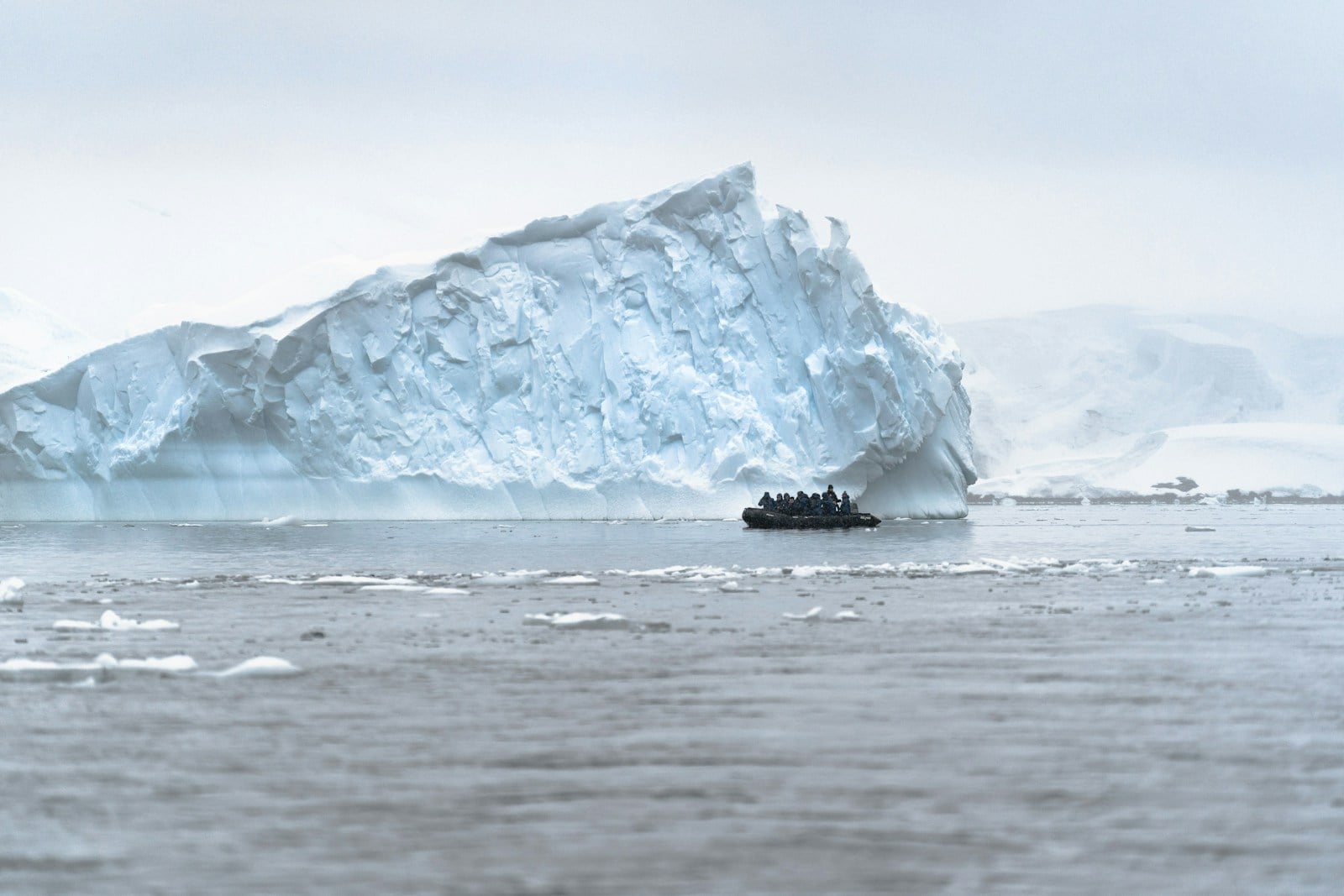
In Antarctica, size is the single most critical decision you will make. Under strict regulations set forth by the International Association of Antarctica Tour Operators (IAATO) and the Antarctic Treaty System, smaller expedition ships offer vastly superior shore access, more frequent Zodiac cruises, and double or triple the time spent standing among penguin colonies.
The IAATO 100-Passenger Shore Limitation Explained
To preserve Antarctica's pristine and fragile ecosystems, IAATO strictly mandates that no more than 100 guests may set foot on land at any single landing site simultaneously.
This single rule creates a stark operational divergence across different ship sizes:
Ships Under 200 Guests (C1 Category)
Examples: Silver Endeavour (200), National Geographic Resolution (126), Quark Ultramarine (199), Swan Hellenic Minerva (152).
Operational Flow: The ship divides passengers into only two groups. While Group A explores ashore for 90 to 120 minutes, Group B cruises in Zodiacs among icebergs and seals. They then swap seamlessly. You receive 3 to 5 hours of outdoor immersion twice daily.
Ships with 201 to 500 Guests (C2 Category)
Examples: Viking Octantis (378), MS Roald Amundsen (500).
Operational Flow: The vessel must divide passengers into four or five sequential shifts. Each passenger may be limited to just 45 to 60 minutes on shore per landing site. In challenging weather, later groups frequently have their shore time curtailed or cancelled.
Why Ships Over 500 Guests Cannot Land at All
Under Antarctic Treaty regulations, any vessel carrying more than 500 passengers is strictly prohibited from conducting any shore landings or Zodiac excursions anywhere in Antarctica.
Mega-ships (such as Holland America Oosterdam, Princess Cruises, and Celebrity Cruises) offer only 'scenic cruise-by' viewing. While comfortable, you will never walk on the snow, kneel beside a Gentoo penguin, or cruise alongside a humpback whale in an open Zodiac.
Navigational Agility in Narrow Polar Channels
In addition to landing times, small expedition ships possess the maneuverability required to penetrate narrow, ice-choked waterways that large vessels cannot safely enter. These include:
- The Lemaire Channel ('Kodak Gap'): A dramatic 7-mile strait flanked by sheer 3,000-foot ice walls, navigable only by vessels with precise bow-thruster controls.
- The Gullet & Neumayer Channel: Tight, iceberg-strewn passages where small ships routinely pause to watch leopard seals hunting on ice floes.
- Spontaneous Course Alterations: When the bridge spots a pod of 40 orcas or a resting blue whale, a small vessel can safely linger for hours rather than adhering to rigid shipping lanes.
Ready to Secure Your Antarctica Expedition?
Don't leave the trip of a lifetime to generic call centers. Work directly with our certified polar specialists to secure exclusive Signature Travel Network perks, preferred staterooms, and zero agency fees.
Plan Your Antarctica Expedition
Receive customized expedition proposals, unadvertised Signature perks (up to $1,000 shipboard credit), and direct 1-on-1 guidance from certified polar specialists with $0 agency fees.

Joe Merendino
Active Expedition & IAATO C1 Small-Ship MasterA veteran polar adventure advisor holding direct certifications with Quark, Lindblad-National Geographic, and HX Hurtigruten. Joe focuses exclusively on ships carrying under 200 guests to guarantee his clients spend maximum hours ashore under IAATO regulations, coordinating active kayaking, alpine trekking, and polar plunge logistics.