
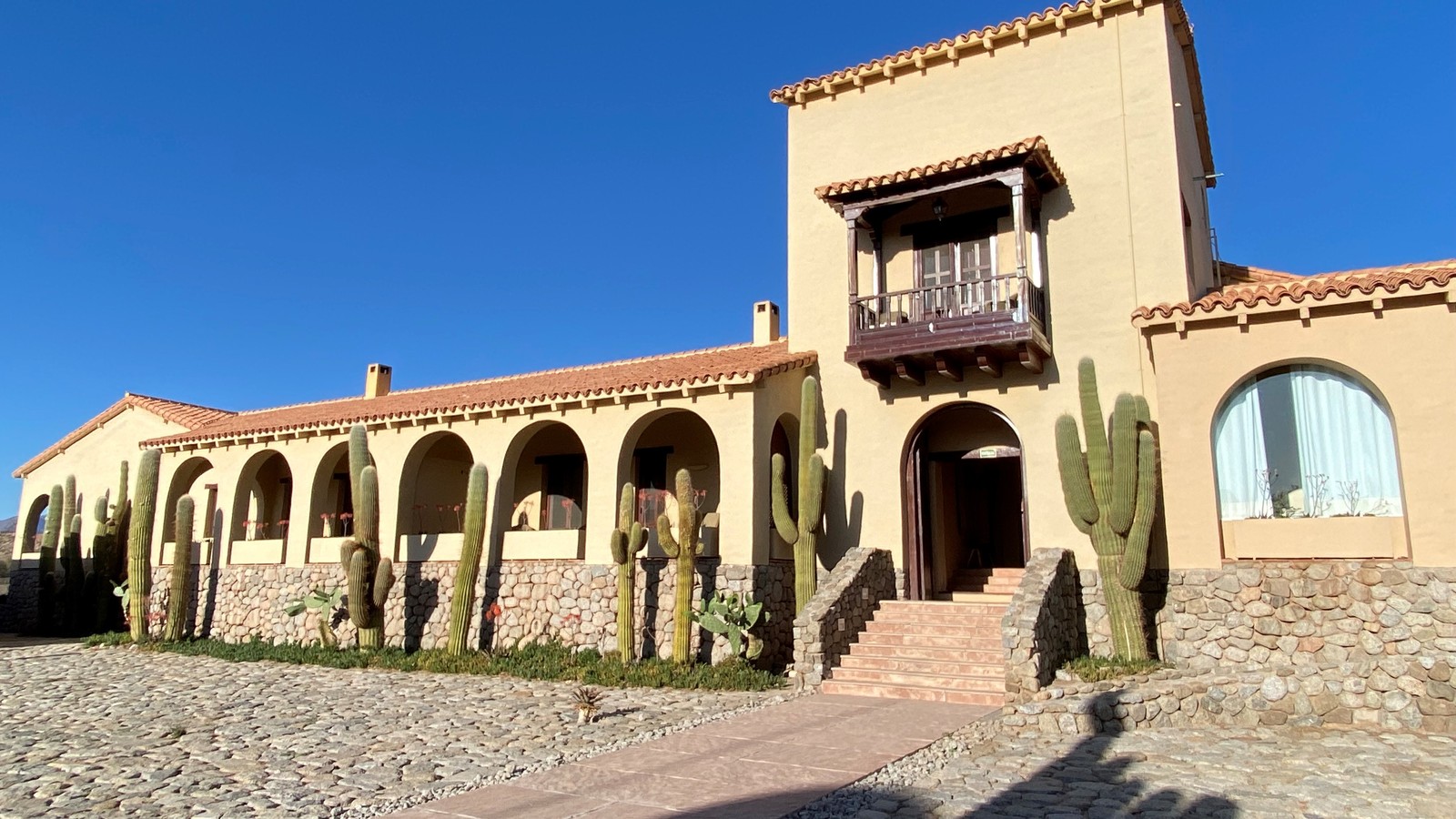
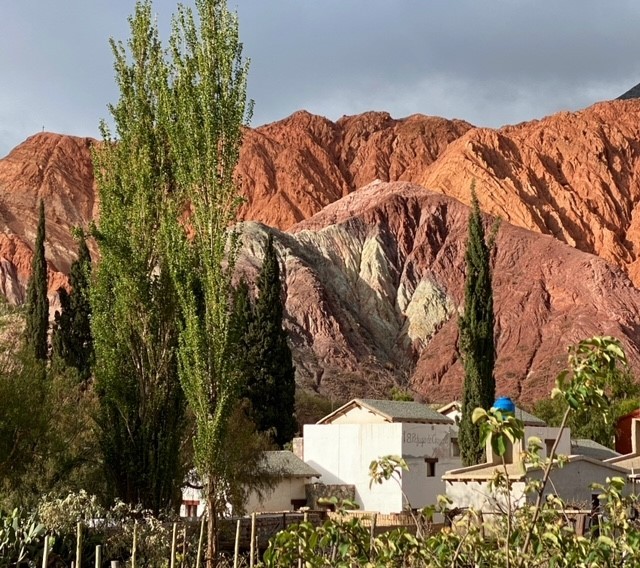
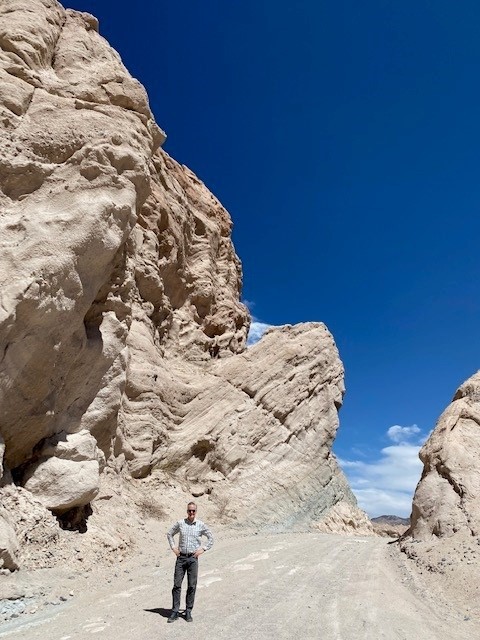
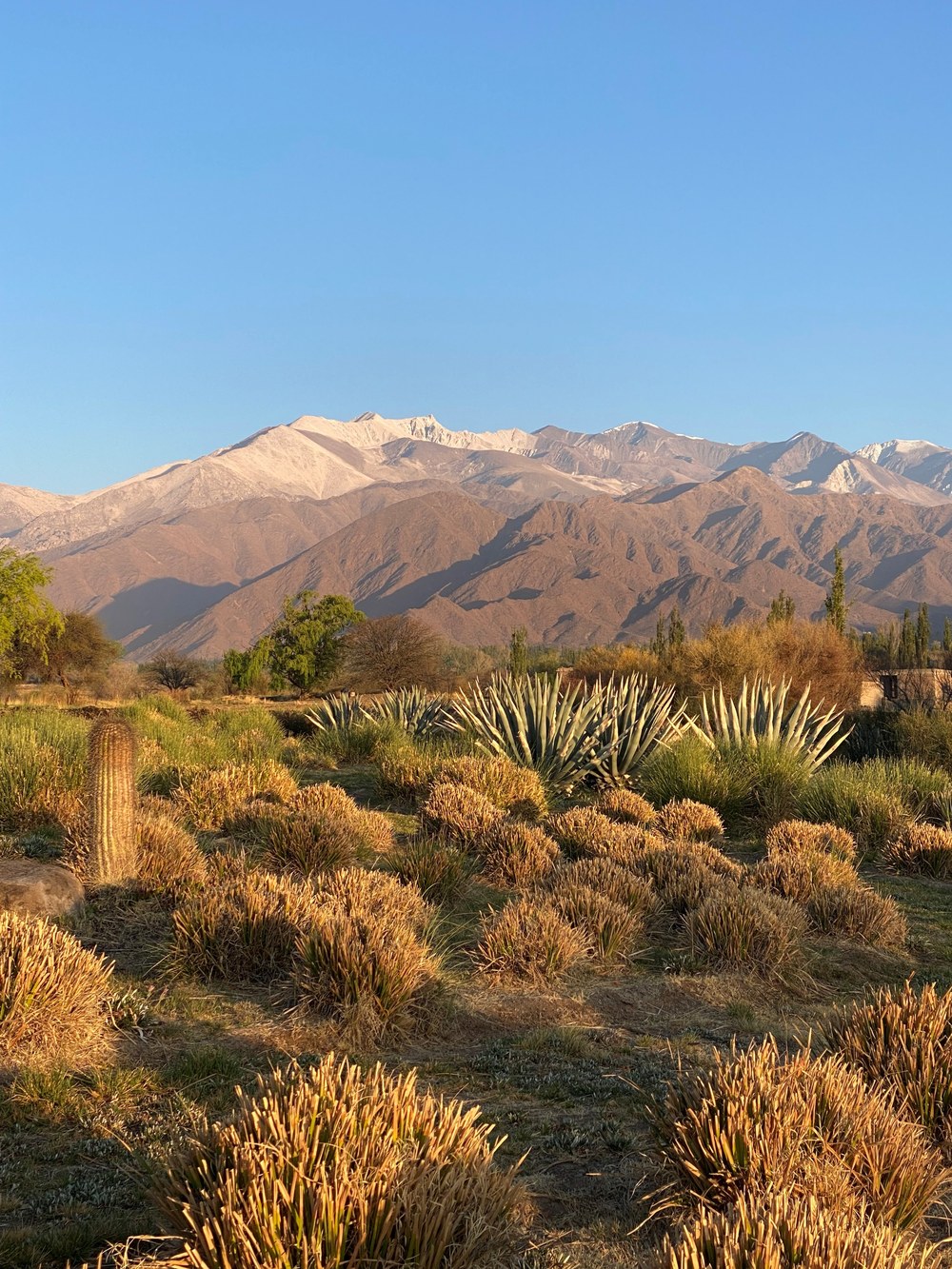
Of all of Argentina’s many captivating regions, none is more deeply underrated than the Northwest (Noroeste, in Spanish)—a vast realm largely unknown to American travelers. This is an otherworldly landscape of multi-hued mountain panoramas, towering red sandstone formations, dry river canyons, snow-capped Andean peaks, charming 16th-century colonial towns, sun-drenched high deserts, and gleaming salt flats. Most compelling of all is the living heritage of ancient indigenous civilizations, including the Inca Empire, which shaped these high valleys for centuries.
Advisor Guidance: Who Should Visit the Northwest?
The Northwest is an extraordinary destination for active adventurers (hiking, mountain biking, whitewater rafting, and high-altitude trekking), history enthusiasts drawn to pre-Columbian and Spanish colonial heritage, shoppers seeking authentic hand-woven Andean textiles, fine wine collectors exploring Argentina’s premier high-altitude Torrontés and Malbec vineyards, and sophisticated travelers searching for profound, crowd-free horizons.
Navigating the Northwest: Why an Expert Guide & Driver Are Essential
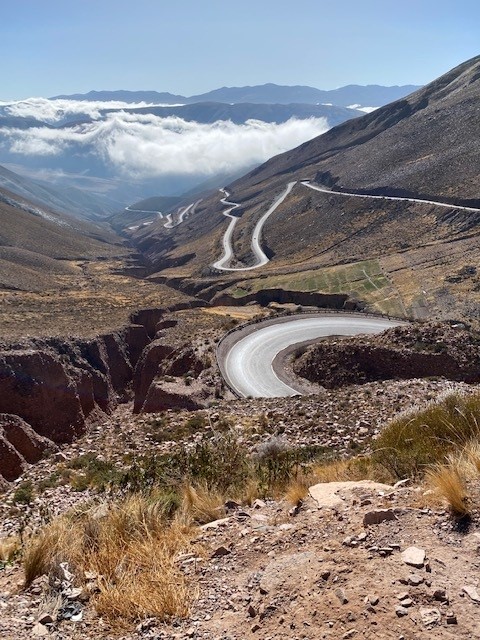
Because of the immense geographic scale of the region, long driving distances between valleys, extensive stretches of unpaved and unmarked gravel roads (notably along legendary Route 40), and extreme altitude changes—frequently ascending from 3,800 feet in the city of Salta to over 14,000 feet atop Andean mountain passes in less than an hour—the only way to experience Argentina’s Northwest safely and leisurely is in the care of an experienced local guide and professional driver.
I explored the region under the care of Argentina Activa, Signature Travel Network’s premier Destination Specialist based in Buenos Aires. Their team curated a seamless, bespoke circuit pairing seasoned 4x4 drivers with knowledgeable bilingual guides who bring the changing geography and indigenous history vividly to life.
Salta: Premier Colonial Gateway to the Northwest
The historic city of Salta, capital of the northwestern province of the same name, serves as the primary gateway for regional travel. Its airport, Martín Miguel de Güemes International (SLA), offers frequent daily 2-hour non-stop flights from Buenos Aires, making it the natural commencement and conclusion for northwestern circuits.
Known throughout Argentina as Salta la Linda (“Salta the Fair”), the city preserves some of the oldest and most intact Spanish colonial settlements in the nation. The beating heart of Salta is the tree-shaded Plaza 9 de Julio, where locals and visitors gather from morning coffee through late-night dining. Essential city highlights include:
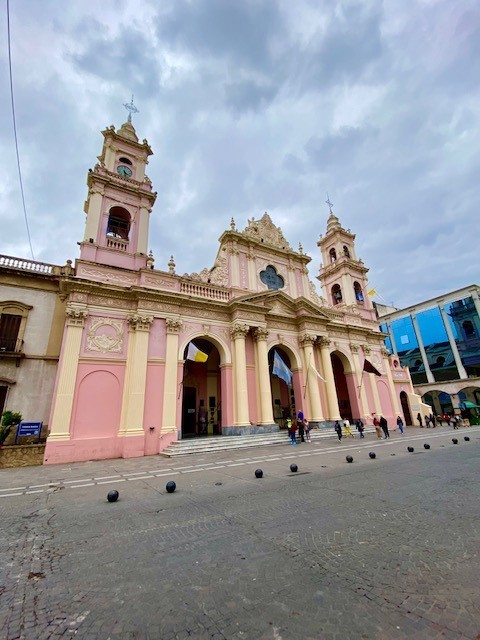
- Salta Cathedral (Catedral Basílica): A breathtaking 19th-century Italianate cathedral painted in pastel pink and cream, dominating the northern edge of the central plaza.
- MAAM (Museum of High Mountain Archaeology): World-renowned museum dedicated to Andean archaeology and Inca ceremonial sacrifices. It houses the remarkably preserved 500-year-old “Children of Llullaillaco” mummies, discovered atop Mount Llullaillaco volcano at 22,100 feet elevation in 1999.
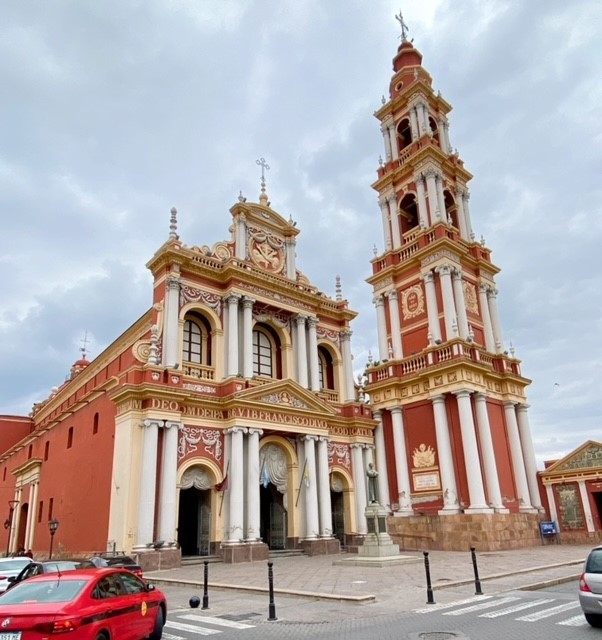
- Church and Convent of San Francisco: An architectural icon painted in vibrant magenta and gold, featuring a campanile bell tower rising 177 feet—one of the tallest bell towers in Latin America.
- Cerro San Bernardo Cable Car: A scenic gondola ride ascending 950 feet above the valley floor for sweeping 360-degree vistas over Salta and the surrounding mountains.
Where to Stay in Salta: Urban Elegance vs. Countryside Estate
When selecting luxury accommodations in Salta, travelers have two distinctive, world-class choices depending on whether they prefer the historic urban center or quiet pastoral retreat:
1. Legado Mítico Salta (Historic City Center)
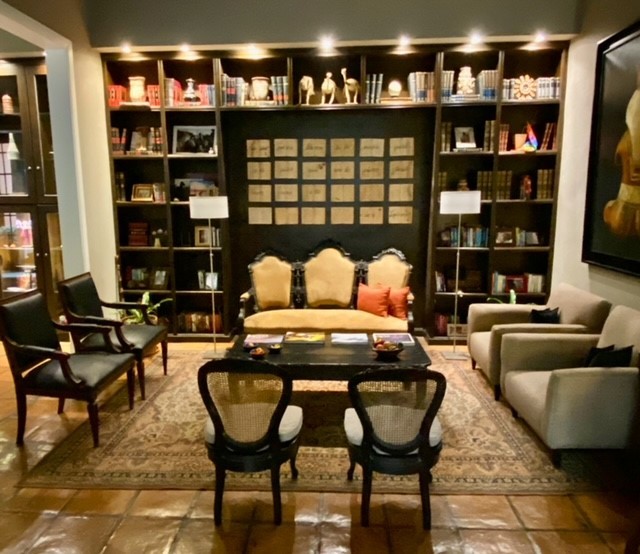
Situated just five blocks from the main plaza, Legado Mítico Salta is an exquisite boutique sanctuary housed within a restored patrician residence. With only 11 spacious guest rooms, the atmosphere is intensely personal, refined, and serene—akin to residing in the private estate of a distinguished local family.
Each room is uniquely themed and decorated with handcrafted artisan furnishings, rare antique volumes, and historical memorabilia honoring prominent artists, poets, and chieftains of Salta’s past (such as Martín Miguel de Güemes and the mythical calchaquí leader Juan Calchaquí). Several suites feature private garden patios or timber balconies. Public spaces include cozy reading salons with fireplaces, an intimate breakfast atrium, and an inner courtyard terrace.
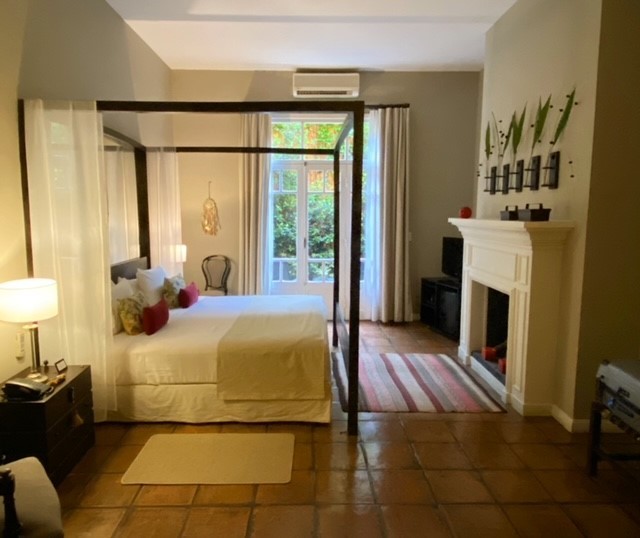
2. House of Jasmines (Countryside Relais & Châteaux)
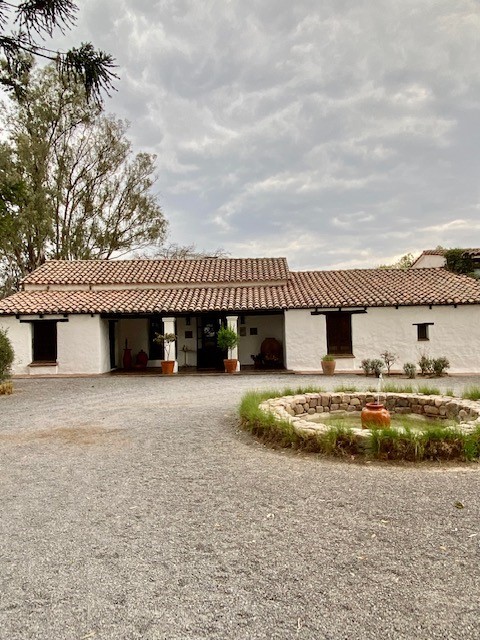
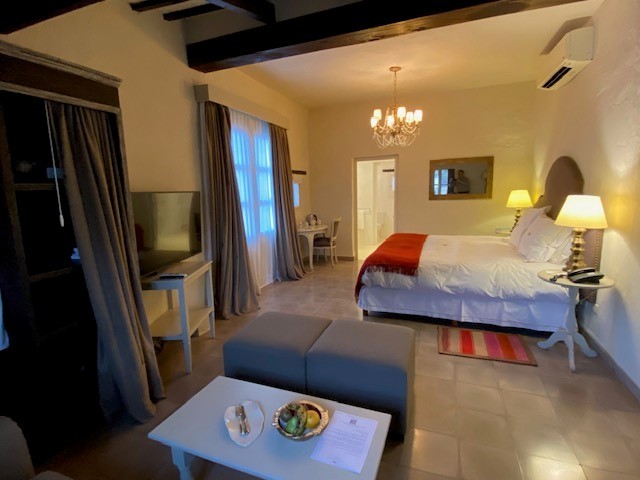
For travelers desiring a peaceful pastoral base, House of Jasmines is a dreamlike estate set just 20 minutes outside the city center at the foot of the Andes. Dating back to the 18th century, this idyllic 250-acre countryside property is a distinguished member of Relais & Châteaux.
Guests can stay in the historic main manor house or within private freestanding villas surrounded by century-old eucalyptus and jasmine groves. The property features a world-class restaurant celebrating traditional northern Argentine clay-oven roasts and farm-fresh produce, a 3,000-square-foot wellness spa with Turkish hamam and outdoor relaxation terrace, a heated outdoor pool, and horseback riding across the estate grounds.
Beyond Salta: Dramatic Valleys, Salt Flats & Incan Wonders
As soon as your private vehicle leaves Salta and ascends into the Andean countryside, you enter a world of staggering geological diversity and raw wilderness. Key highlights that should anchor every custom itinerary include:
- Quebrada de Humahuaca (Jujuy Province): A UNESCO World Heritage cultural route spanning 96 miles along the Rio Grande. This historic canyon served as a vital trade conduit for 10,000 years, connecting the Incan highlands with the Argentine lowlands. Picturesque adobe hamlets such as Tilcara and Humahuaca showcase traditional craft markets and pre-Incan pukaras (fortresses).
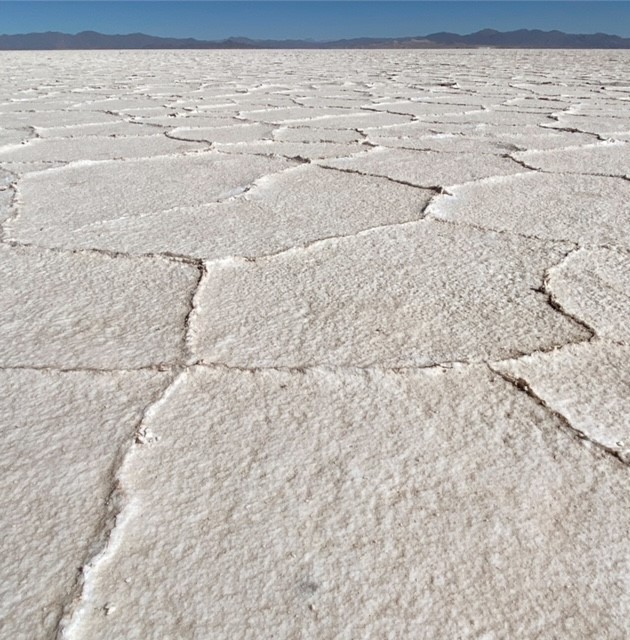
- Salinas Grandes (Jujuy & Salta): Perched at 11,320 feet above sea level, this colossal 82-square-mile salt plain is one of South America’s most visually striking wonders. Visitors walk along hexagonal crystalline crusts and deep turquoise extraction pools carved into the pure white salt.
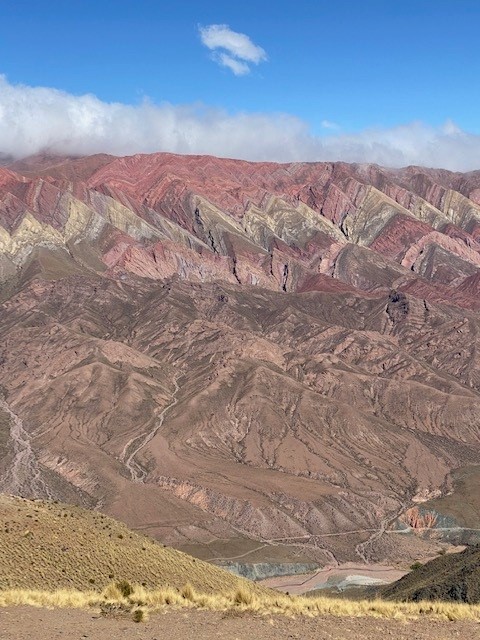
- Serranía del Hornocal (The 14-Color Mountain): Located outside Humahuaca at 14,270 feet elevation, this breathtaking limestone formation features dramatic triangular chevron folds displaying 14 vivid bands of ochre, emerald, lavender, and copper sediment.
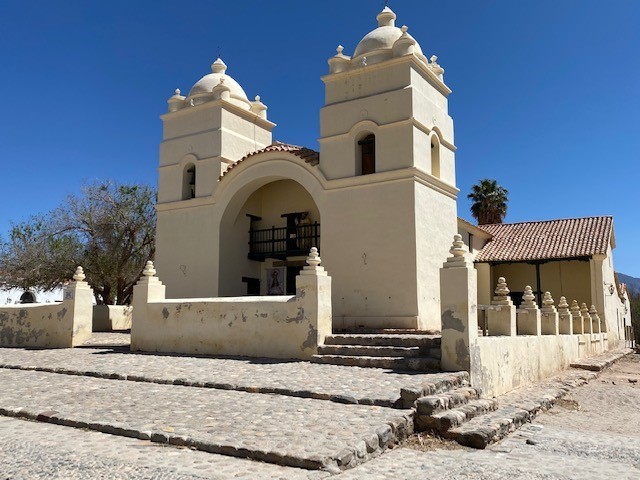
- Valles Calchaquíes & Quebrada de las Flechas: A sequence of fertile high valleys connecting ancient adobe settlements like Cachi, Molinos, and San Carlos, where master weavers produce authentic vicuña and llama wool tapestries using foot-treadle looms.
- Parque Nacional Los Cardones: A 160,000-acre national reserve protecting high-altitude grasslands populated by hundreds of thousands of giant candelabra cacti (cardones), some reaching heights of 30 feet and living over 250 years.
- Cafayate Wine Country: The viticultural epicentre of northern Argentina, renowned globally for crisp, aromatic Torrontés whites and intense, concentrated high-altitude Malbecs and Tannats.
- Tren a las Nubes (Train to the Clouds): Argentina’s most famous rail journey, departing from San Antonio de los Cobres. The convoy traverses the Andean Puna to the colossal Polvorilla Viaduct, spanning a desert chasm at an astounding altitude of 13,850 feet (4,220 meters).

Valley Lodges: Grace Cafayate & Estancia Colomé
Venturing deeper into the Calchaquí Valleys reveals two of South America’s most extraordinary destination hotels, each providing a unique perspective on regional gastronomy, viticulture, and wilderness:
1. Grace Cafayate Hotel & Villas (Cafayate Wine Valley)
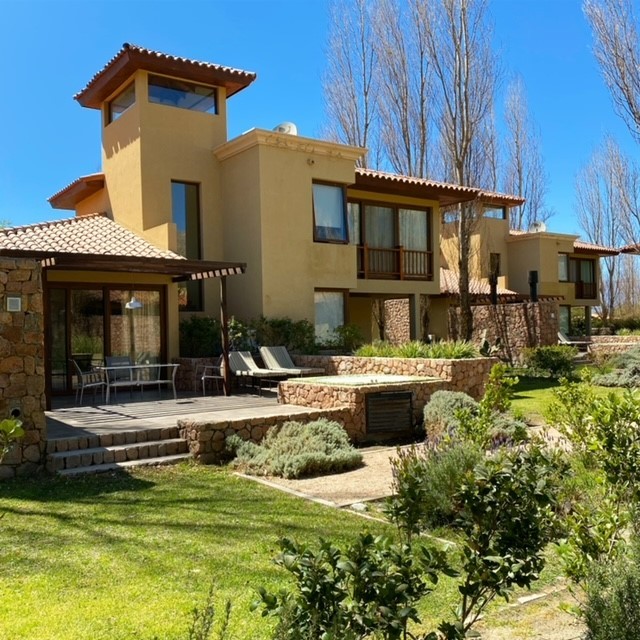
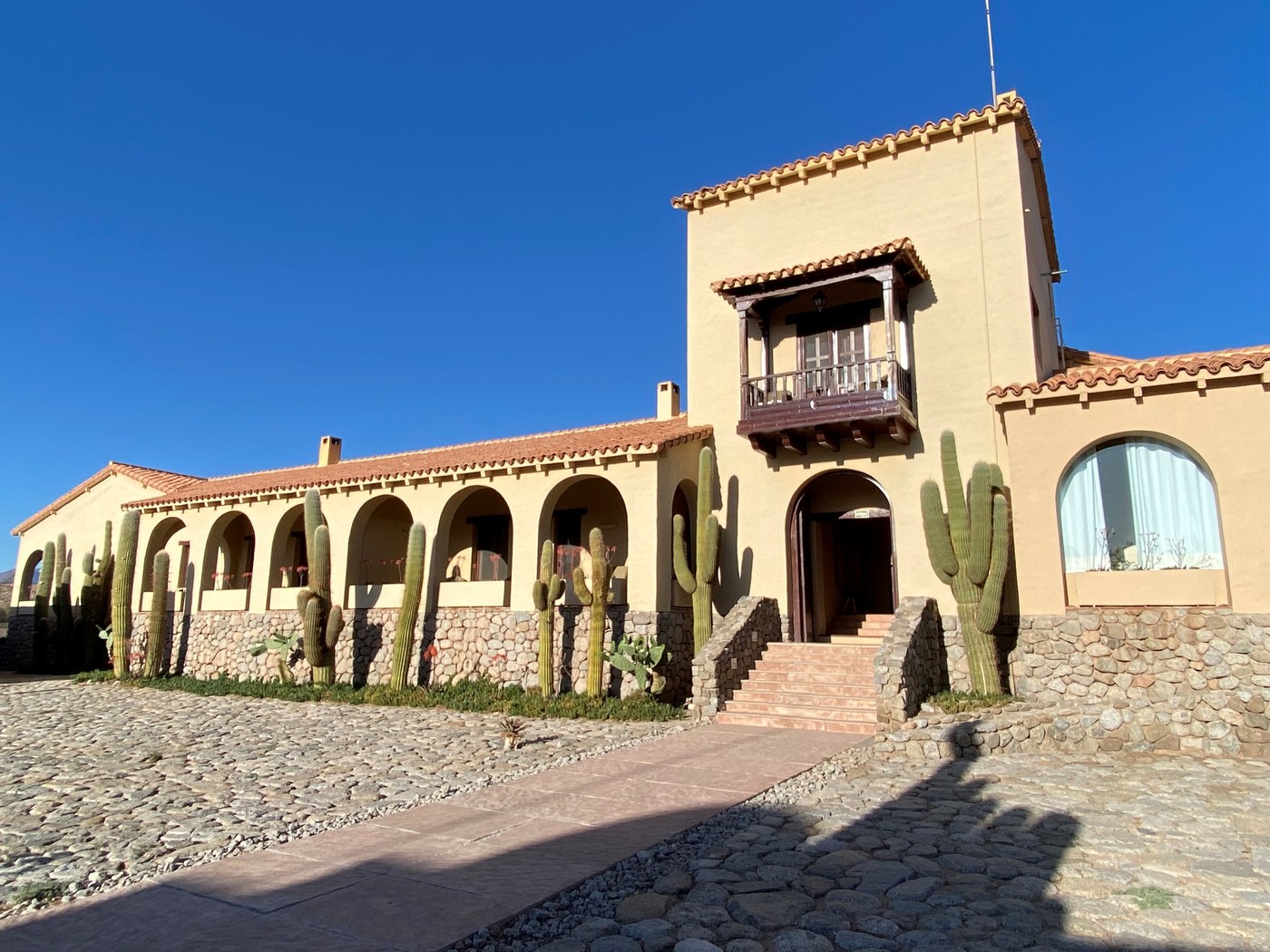
Set amidst the sun-drenched vineyards of Cafayate with commanding vistas of the red-rock mountains, Grace Cafayate is a full-service luxury resort integrated into the prestigious 1,200-acre La Estancia de Cafayate estate.
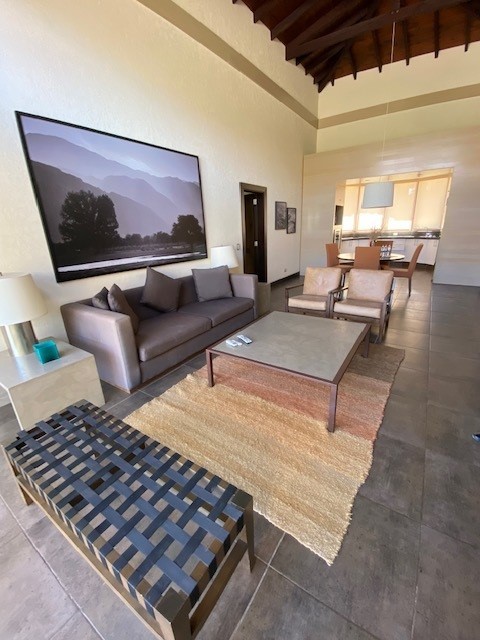
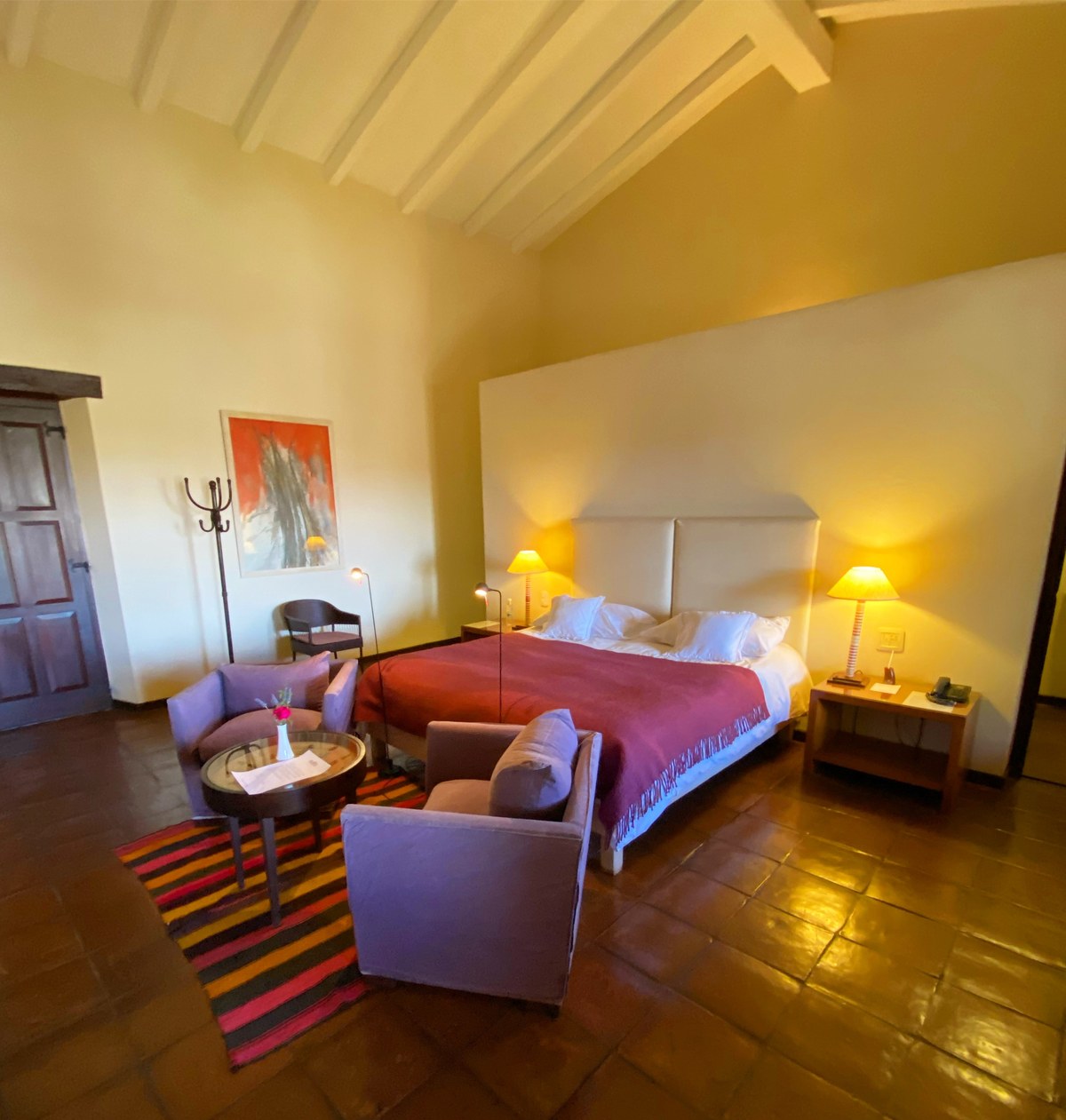
Accommodations range from sophisticated guest rooms in the main hotel to expansive freestanding residential villas complete with open fireplaces, private outdoor barbecue terraces (parrillas), and plunge pools. Guests enjoy access to two exceptional restaurants pairing local specialties with estate wines, a 9,000-square-foot spa offering wine-infused therapies, heated indoor and outdoor swimming pools, an 18-hole Bob Elkins championship golf course, and a private equestrian center.
2. Estancia Colomé & the James Turrell Museum (Molinos)
Perched in a remote Andean valley at 9,000 feet above sea level near the historic village of Molinos, Estancia Colomé is an ultra-exclusive 9-room sanctuary surrounded by lavender fields, giant cardón cacti, and ancient vines. Founded in 1831, Bodega Colomé is Argentina’s oldest continuously functioning winery, boasting some of the highest commercial vineyards in the world (reaching up to 10,200 feet at Altura Máxima).
The estancia is an oasis of tranquility. Guests savor farm-to-table gourmet dining prepared with estate-grown organic vegetables, partake in private tastings of concentrated high-altitude Malbecs led by resident winemakers, and explore the estate on horseback or foot.
The crowning wonder of Estancia Colomé is the James Turrell Museum, established in 2009 by winery proprietor Donald Hess. Covering 18,000 square feet across nine tailor-made light chambers, it is the only museum on Earth dedicated entirely to the celebrated American light-and-space artist. Experiencing Turrell’s mesmerizing sensory installations—culminating in the breathtaking Unseen Blue Skyspace open to the pure Andean sky at dusk—is a profound, unforgettable experience.
The Signature Advantage: Touring with Argentina Activa

Signature Destination Specialist Partner
"I traveled throughout the Northwest under the seamless care of Argentina Activa, Signature Travel Network’s premier Destination Specialist in Argentina. Attempting to self-drive this vast region in a rental car is strongly discouraged due to unmarked mountain passes, unpaved gravel stretches, and severe altitude shifts from 2,000 to over 14,000 feet. Argentina Activa paired me with an expert driver/guide who navigated every turn with absolute confidence, providing privileged access to local artisans, private wine estates, and boutique lodges. From start to finish, I was in consummate hands."
Discover Argentina Activa Bespoke Circuits →Essential Advisor Tips for Traveling to Argentina’s Northwest
Begin your journey in Salta (3,800 ft) or Cafayate (5,500 ft) for 2 to 3 days before ascending to higher elevations like Purmamarca (7,200 ft), Colomé (9,000 ft), and Salinas Grandes (11,320 ft). Stay well hydrated and avoid heavy meals upon arrival.
The Northwest enjoys over 300 days of sunshine annually. The optimal months are April through November (dry season with crisp blue skies). Summer (December to March) brings brief afternoon rains that can swell riverbeds.
Diurnal temperature swings are substantial: warm sunny afternoons give way to chilly desert nights. Pack thermal base layers, a fleece, a windbreaker, wide-brim hat, polarized sunglasses, and high-SPF sunscreen.
Explore Related Argentina & South America Planning Guides
Frequently Asked Questions About Argentina’s Northwest
Ready to Explore Argentina's Northwest with Expert Advisors?
From reserved suites at Estancia Colomé and House of Jasmines to private 4x4 Andean expeditions across Purmamarca and Cafayate, let our certified South America luxury travel advisors craft your journey with Argentina Activa.
Request Your Tailored Northwest Itinerary