I had the extraordinary privilege of traveling across Japan on an executive immersion journey sponsored by the Japan National Tourism Organization (JNTO). Japan is an enchanting country roughly the geographic size of California, yet packed with thousands of years of imperial history, hyper-modern metropolitan hubs, pristine alpine nature, and one of the world’s most celebrated gastronomic cultures.
Like many of our advisors and travelers, I have been fortunate to explore much of the world — and I fell completely in love with Japan. Every single element, from the genuine kindness and omotenashi hospitality of the Japanese people to the breathtaking precision of the Shinkansen bullet trains and the freshness of regional dining, exceeded every expectation. Even for seasoned globetrotters, Japan is a destination that truly comes alive when explored with private, licensed local guides.
“I loved Japan — every aspect of it. The food, the culture, the nature, and the people. We only scratched the surface, and whenever I return, I will make sure I hire a private guide. Please, even for your most experienced travelers, Japan should always be explored with an on-the-ground local expert.”
Designing the Perfect Route: Golden Route vs. Dragon Route
When designing a luxury Japan itinerary, advisors and travelers typically choose between two legendary journeys, or ideally, a seamless blend of both:
-
The Classic Golden Route: The foundational journey for first-time visitors, connecting the iconic neon metropolis of Tokyo, the former imperial capital of Kyoto, historic Nara, and the culinary canal city of Osaka via the Tokaido Shinkansen bullet train line.
-
The Historic Dragon Route (Shoryudo): A dramatic alpine traverse through central Honshu, weaving through the 1998 Winter Olympic hub of Nagano, the feudal stronghold of Matsumoto, the preserved Edo-period artisan town of Takayama, the UNESCO thatched-roof farmhouses of Shirakawa-go, and the samurai and geisha quarters of Kanazawa on the Sea of Japan coast.
Tokyo: Ancient Traditions Meet Futuristic Innovation
Tokyo is a breathtaking city of contrasts where centuries-old Shinto shrines and Buddhist temples sit in tranquil harmony beside neon skyscrapers and high-fashion shopping districts.
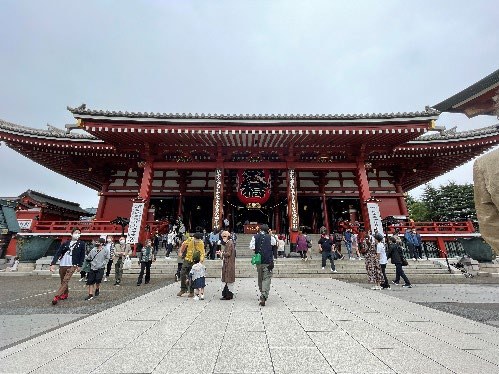
Kaminarimon Thunder Gate leading to Senso-ji Temple in Asakusa
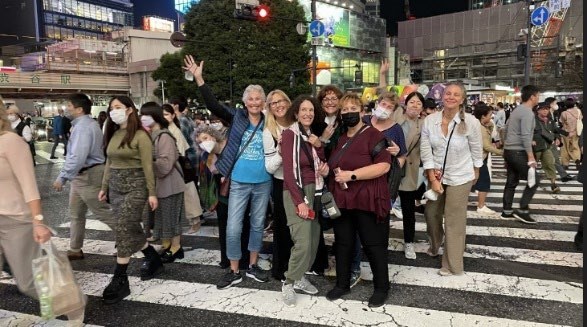
The iconic Shibuya Crossing — the world’s busiest pedestrian intersection
-
Senso-ji Temple & Kaminarimon Gate: Tokyo’s oldest Buddhist temple (founded in 645 AD) in historic Asakusa. Pass beneath the monumental red lantern of the “Thunder Gate,” stroll the Nakamise-dori artisan market, participate in traditional incense purification, and admire the majestic five-story pagoda. Allocate 90 to 120 minutes.
-
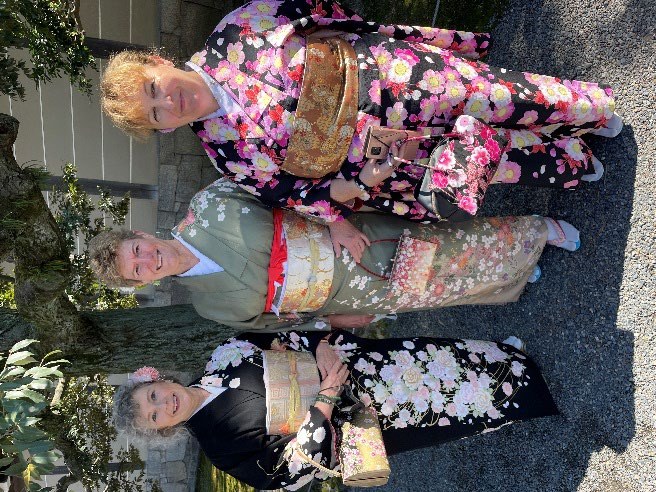
Traditional Kimono Stroll: Local Japanese frequently rent authentic silk kimonos for temple visits and special occasions. We arranged a half-day kimono fitting, providing travelers a deeply memorable way to walk through Tokyo’s historic precincts in traditional attire.
-
Shibuya Crossing & Shinjuku Nightlife: Experience the exhilarating pulse of Shibuya Crossing, where up to 2,500 people cross simultaneously with every signal change (set your smartphone to timelapse for an iconic video). In Shinjuku, private evening walking tours reveal the vibrant food alleys, izakayas, and nightlife of Kabukicho.
-
Meiji Jingu Shinto Shrine: Nestled within an evergreen forest of over 100,000 trees donated from across Japan, Meiji Jingu is a sacred sanctuary dedicated to Emperor Meiji. Strolling through the towering cedar pathways offers complete serenity minutes from Harajuku’s energetic streets.
-
teamLab Planets Tokyo: A mesmerizing digital art museum where visitors walk barefoot through water installations, floating flower gardens, and interactive light projections that react dynamically to movement — an unmissable stop for families and contemporary art lovers.
The Japanese Alps: Nagano, Matsumoto, Takayama & Shirakawa-go
Boarding the Hokuriku Shinkansen bullet train in Tokyo whisks travelers from sea-level skyscrapers into the dramatic 3,000-foot peaks of the Japanese Alps in just 90 minutes.
Zenko-ji Temple in Nagano — one of Japan’s sacred national pilgrimage sites
Matsumoto Castle — designated National Treasure and oldest 6-story keep in Japan
Zenko-ji Pilgrimage Temple, Nagano
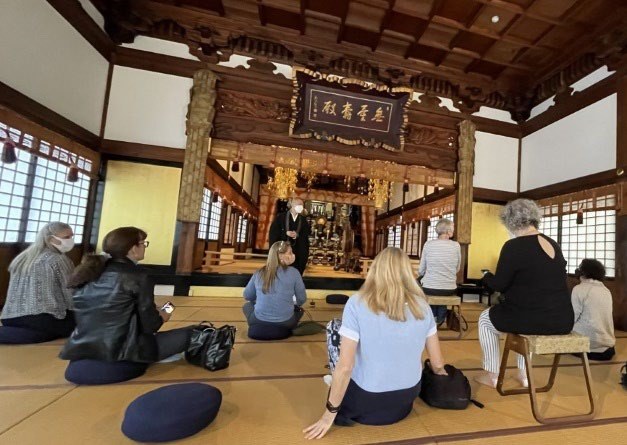
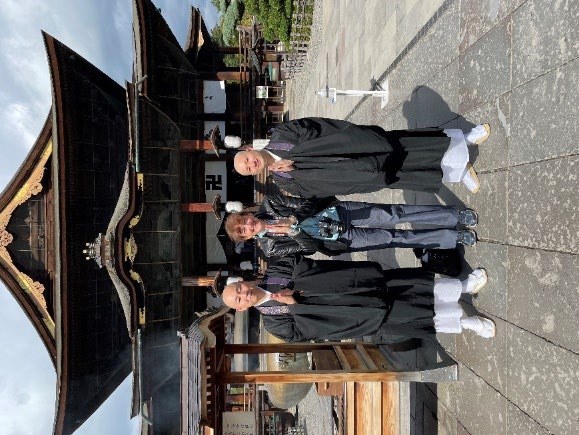
Founded in the 7th century, Zenko-ji enshrines the first Buddhist image ever brought to Japan. Remarkably non-sectarian, the temple has welcomed pilgrims of all faiths for over 1,400 years. Visitors can descend a narrow staircase from the inner chamber into a pitch-black underground corridor (Okaidan Meguri) to search by touch for the sacred “Key to Paradise.” Outside, statues of the six Bodhisattvas line the temple approach, and private blessings with resident Buddhist monks can be arranged in advance.
Matsumoto Castle — The Black Crow National Treasure
Surrounded by a tranquil moat reflecting the alpine snowcaps, Matsumoto Castle is one of only five castles designated as a National Treasure of Japan. Built in 1592, its dramatic black wooden keep contains the original six-story interior tower. Visitors remove their footwear at the entrance to ascend the steep, hand-hewn wooden stairs for panoramic views from the top observation deck.
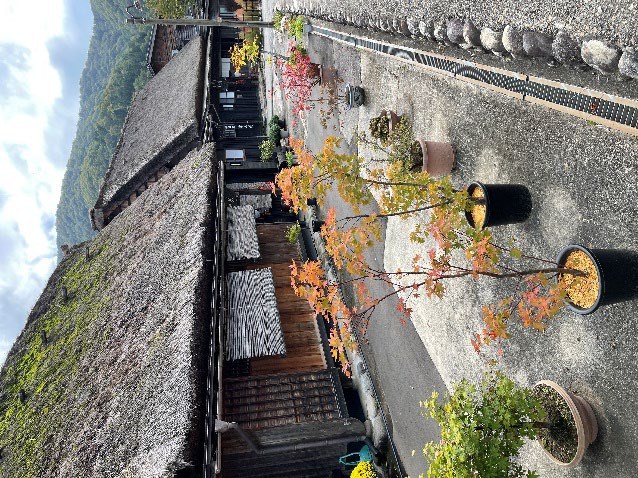
Shirakawa-go — 250-year-old thatched-roof gassho-zukuri farmhouses nestled in the Shoryudo mountains
Takayama & Shirakawa-go UNESCO Village
Takayama: Known affectionately as “Little Kyoto in the Alps,” Takayama retains charming Edo-period wooden merchant houses, sake breweries with cedar balls hanging overhead, morning temple bells, and hands-on folk craft workshops where visitors craft traditional Sarubobo good-luck dolls.
Shirakawa-go: An hour’s drive into the mountains lies the UNESCO World Heritage mountain hamlet of Shirakawa-go. Renowned worldwide for its gassho-zukuri farmhouses — steep, thatched roofs constructed without a single nail to withstand massive winter snowfalls — the village feels frozen in the 18th century. Hike to the mountain viewpoint for unforgettable panoramic photos.
Kanazawa: Samurai Living Quarters & Master Artisans
Positioned between the Sea of Japan and the mountains, Kanazawa was ruled for three centuries by the powerful Maeda clan of the Shogun, fostering an extraordinarily rich culture of fine arts, geisha entertainment, and landscape gardening.
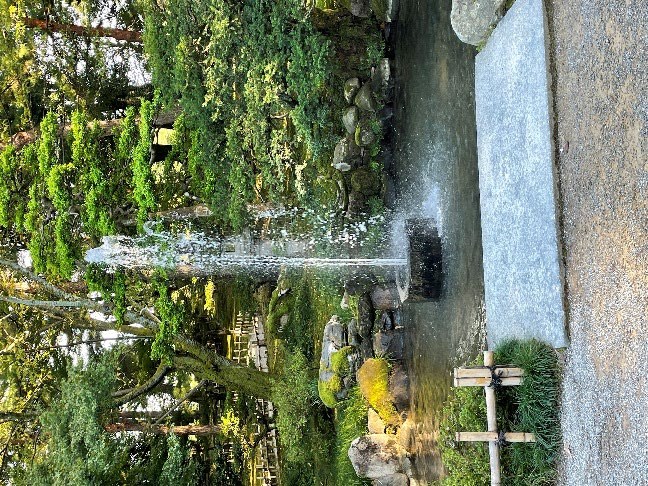
Kenroku-en — celebrated as one of Japan’s “Three Great Gardens”
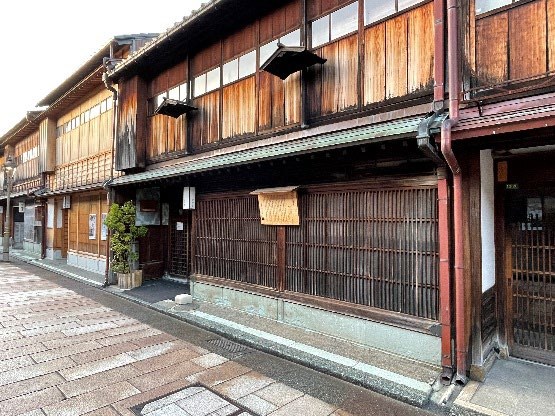
Higashi Chaya — preserved wooden teahouse district where geishas still perform
-
Kenroku-en Landscape Garden: Universally ranked among Japan’s three finest gardens, Kenroku-en exemplifies six essential landscape attributes: spaciousness, seclusion, artifice, antiquity, water features, and expansive panoramas. Allow at least 60 to 90 minutes to stroll past stone lanterns, cascading streams, and ancient pines supported by seasonal rope conical structures (yukizuri).
-
Higashi Chaya Geisha District & Gold Leaf: Kanazawa produces over 99% of Japan’s gold leaf. Stroll the preserved 19th-century latticed wooden teahouses of Higashi Chaya, where geishas still entertain in private salons, and try a hands-on gold leaf gilding workshop (or sample Kanazawa’s famous gold-leaf soft-serve ice cream).
-
Nagamachi Samurai District: Walk between earthen mud walls and historic gates where samurai warriors and their families lived during the feudal Shogunate era.
Kyoto: The Cultural & Spiritual Soul of Japan
For over 1,000 years, Kyoto served as the imperial capital of Japan. Today, it remains the ultimate treasure chest of traditional Japanese aesthetics, housing more than 2,000 temples, shrines, and master craftsman workshops.
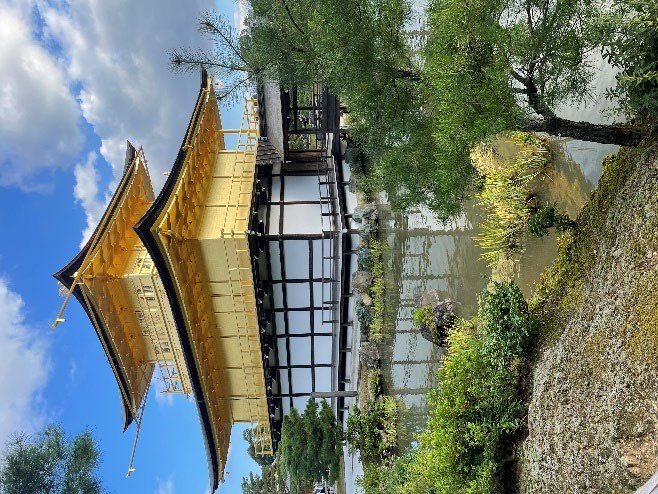
Kinkaku-ji (The Golden Pavilion) — covered in pure gold leaf over the Kyoko-chi mirror pond
Arashiyama Sagano Bamboo Grove — towering bamboo stalks swaying in the mountain breeze
-
Fushimi Inari Taisha Shrine: Dedicated to Inari, the Shinto deity of rice and business prosperity, this world-famous mountain shrine features thousands of vibrant vermilion torii gates winding up the sacred forested slopes of Mount Inari. Late afternoon visits provide dramatic lighting and mystical shadows along the paths.
-
Kinkaku-ji (Golden Pavilion): Built as a retirement villa for Shogun Ashikaga Yoshimitsu in 1397 and later converted into a Zen temple, the top two floors are entirely gilded in pure gold leaf, reflecting majestically across the mirror pond.
-
Arashiyama & Tenryu-ji Bamboo Forest: Walk through the soaring green canopy of the Sagano Bamboo Forest, followed by a visit to Tenryu-ji Temple, celebrated for its 14th-century Sogenchi garden framed by the Arashiyama mountains.
-
Kiyomizu-dera & Jishu Shrine: Perched high on Mount Otowa, the “Pure Water Temple” features a massive wooden stage constructed entirely without nails that cantilevers over the cherry and maple canopy, offering sweeping views across Kyoto.
-
Private Gion Geiko & Maiko Dinner: In Kyoto, geishas are called Geiko, and apprentices are Maiko. A private evening banquet in an exclusive Gion teahouse — complete with multi-course kaiseki dining, graceful classical dance, shamisen musical accompaniment, and personal conversation — is one of Japan’s most unforgettable cultural privileges.
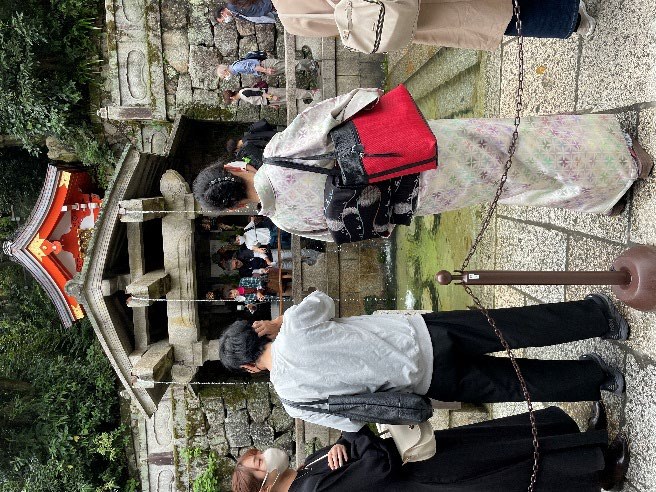
Kiyomizu-dera — historic wooden stage perched over Kyoto’s hillside
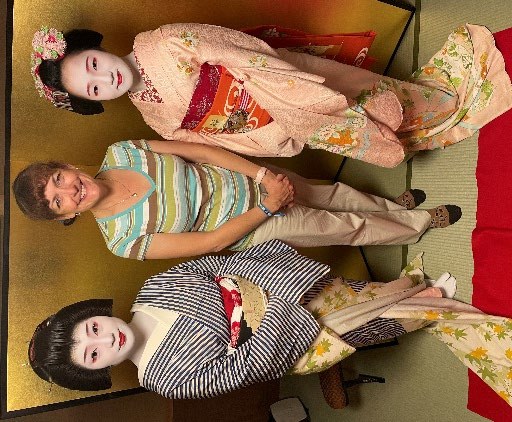
Private evening dining in Gion with authentic Geiko and Maiko artists
Nara & Osaka: Ancient Giant Buddhas & Culinary Canal Nightlife
A short journey from Kyoto reveals ancient Nara and electric Osaka — each offering a completely distinct regional flavor:
Nara Park — over 1,000 sacred Shika deer roam freely and bow for treats
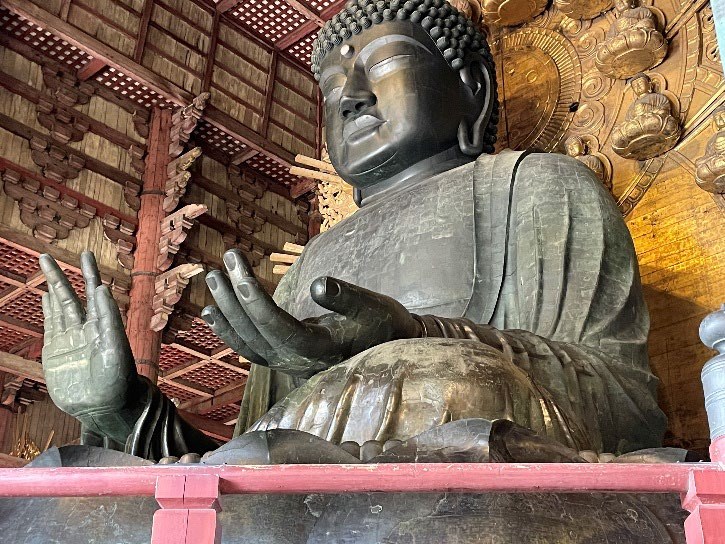
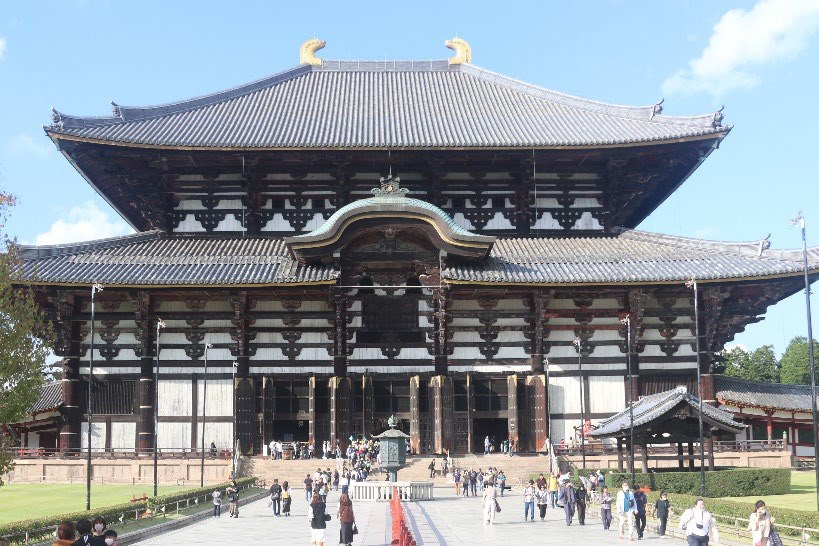
Todai-ji Temple — housing Japan’s monumental 45-foot Great Bronze Buddha
Nara Park & Todai-ji Temple
In Nara, Japan’s first permanent capital, over 1,000 gentle Shika deer roam freely through parklands and temple grounds. Considered divine messengers of the gods, they have learned to politely bow to visitors offering shika-senbei deer crackers.
At the heart of the park stands Todai-ji Temple. Its massive Daibutsuden (Great Buddha Hall) ranks among the largest wooden buildings in the world and houses the monumental Daibutsu — a 45-foot-tall bronze seated Buddha cast in 752 AD, flanked by celestial Bodhisattvas.
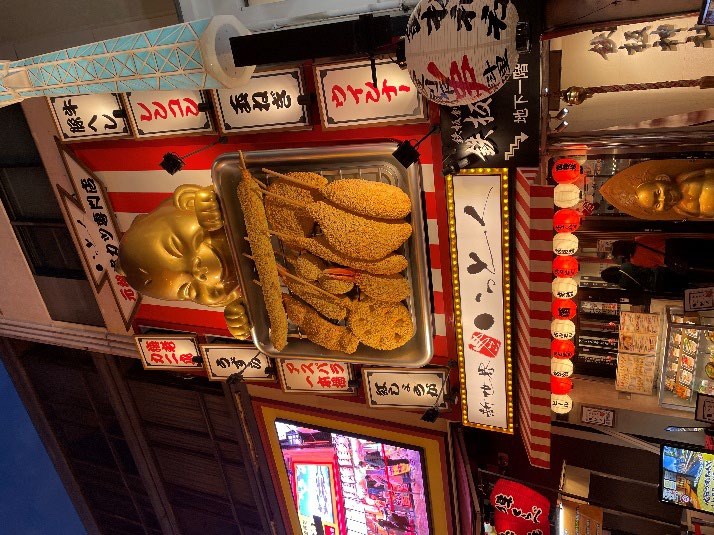
Dotonbori in Osaka — neon billboards, illuminated canals, and legendary street gastronomy
Osaka — Japan’s Culinary & Entertainment Capital
Known affectionately as the “Kitchen of Japan” (Tenka no Daidokoro), Osaka is famed for its warm, extroverted locals and vibrant nightlife. Stroll through the energetic neon canyon of Dotonbori and the covered shopping galleries of Shinsaibashi. Savor piping-hot takoyaki (octopus fritters), savory okonomiyaki pancakes, fresh seafood skewers, and succulent Hida or Kobe wagyu beef.
Luxury Hotel & Authentic Ryokan Inspections
During our JNTO journey, I inspected premier luxury addresses and authentic onsen ryokans across Japan:
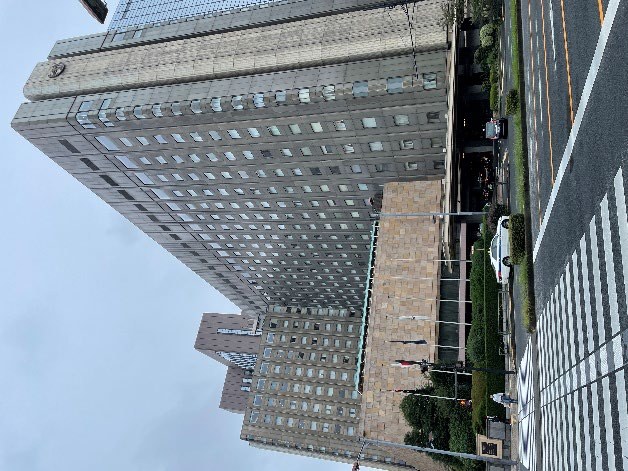
Signature Preferred • Tokyo
Imperial Hotel, Tokyo
Aristocratic heritage hotel directly opposite the Imperial Palace gardens. Features 13 acclaimed restaurants, private in-house tea ceremonies, private airport limousine service, and an exclusive Frank Lloyd Wright suite honoring the architect’s iconic 1923 design.
Signature Preferred • Tokyo
The Ritz-Carlton, Tokyo
Perched on the top floors of Midtown Tower in Roppongi, boasting 360-degree panoramic views of Tokyo and Mount Fuji. Features 53 luxury suites, an extraordinary 46th-floor spa and lap pool, legendary executive club lounges, and daily afternoon high tea.
Relais & Châteaux • Matsumoto
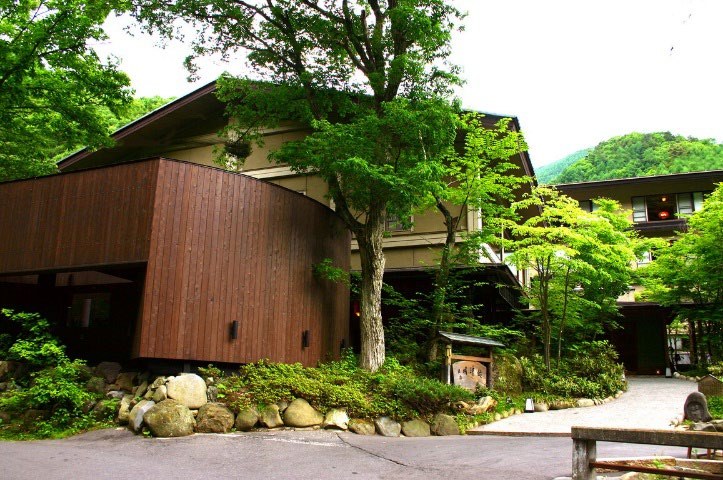
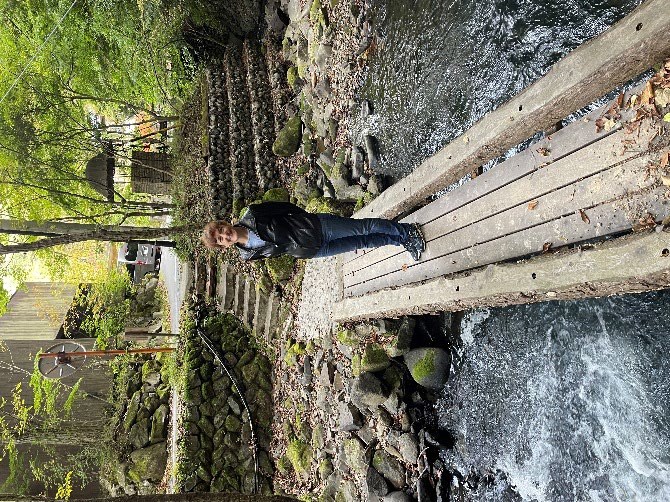
Tobira Onsen Myojinkan
Secluded luxury thermal ryokan nestled in a ravine of the Northern Japanese Alps. Features private open-air onsen mineral baths overlooking cedar forests, yukata attire for guests, and seasonal macrobiotic kaiseki gastronomy.
Signature Preferred • Kyoto
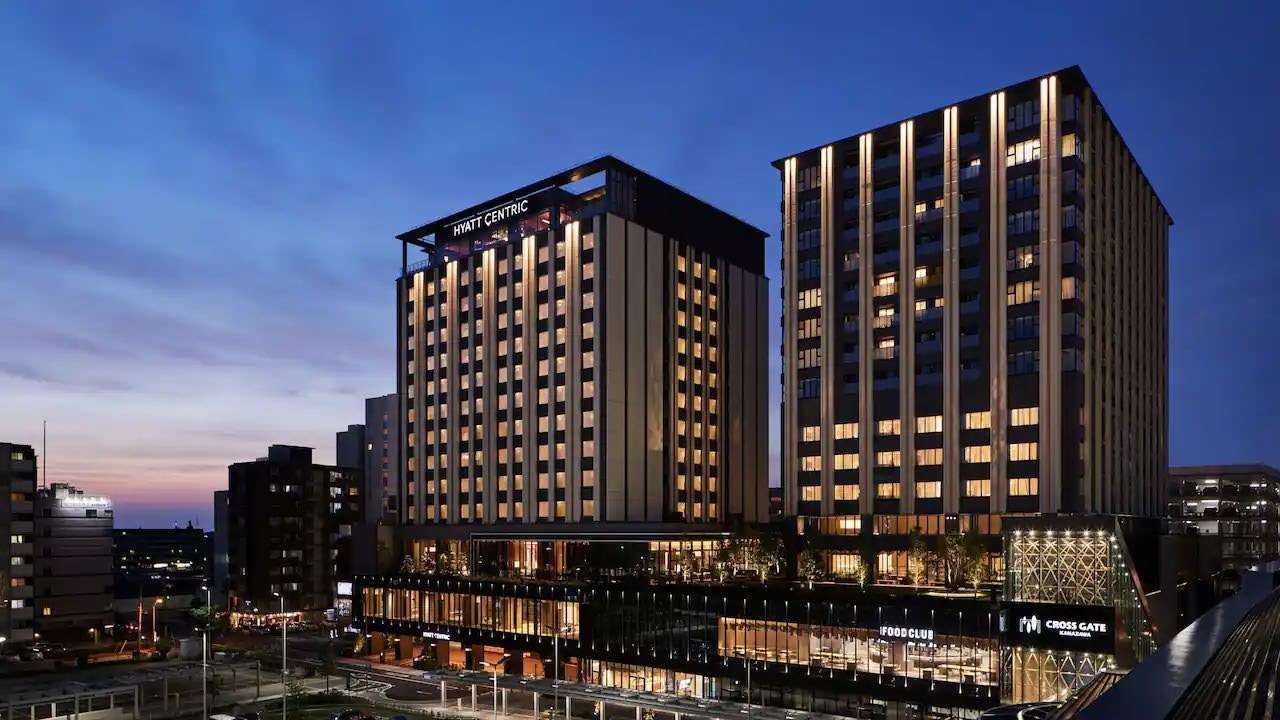
The Ritz-Carlton, Kyoto
Award-winning low-rise sanctuary along the banks of the Kamogawa River. Grand Deluxe rooms feature direct river and Higashiyama mountain views, subterranean spa sanctuaries, Pierre Hermé breakfast pastries, and bespoke kimono rentals.
Signature Preferred • Osaka
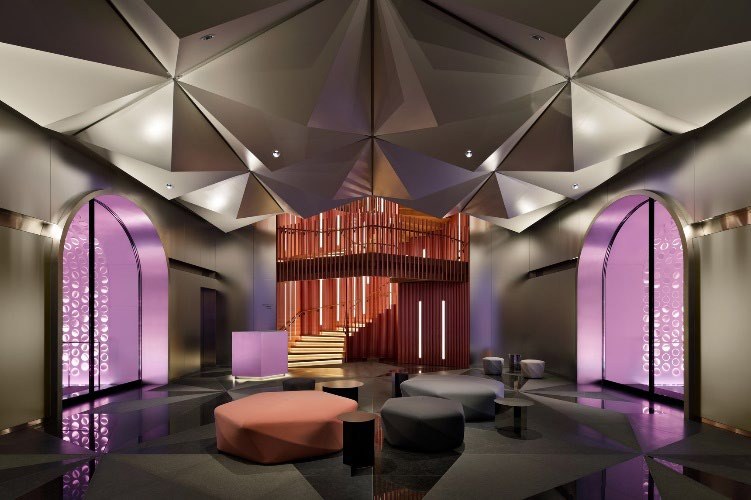
W Osaka Flagship
Designed by Tadao Ando and Dutch interior firm Concrete, W Osaka is a bold luxury landmark on Midosuji Boulevard. Features 50 corner Marvelous Suites, a playful in-room “Escape” neon lighting button, pixel art of Osaka landmarks, and dining supervised by a top Michelin-starred chef.
Practical Advice & Etiquette for Travel to Japan
To ensure a seamless, respectful, and joyful trip across Japan, keep these essential firsthand tips in mind:
1. Reserve Shinkansen Grand Class
On high-speed Shinkansen routes where available (such as the Hokuriku Shinkansen between Tokyo, Nagano, and Kanazawa), always reserve Grand Class. You will enjoy a dedicated 18-seat cabin with oversized electric leather recliners, personal attendant call service, and seasonal bento meals paired with regional sake, beer, and wine. Crucial tip: Always keep your train ticket handy after boarding, as you must scan it through the turnstiles to exit the destination station.
2. Footwear & Temple Etiquette
Most Japanese temples, shrines, historic castles, and ryokans require visitors to remove their shoes before entering tatami-matted chambers or wooden keeps. Bring comfortable, high-quality slip-on shoes with clean socks without holes to make entering and exiting effortless. Also prepare for steep wooden stairs inside original castle keeps.
3. Carry Personal Trash Bags & Hand Towels
Public trash cans are exceptionally rare throughout Japan. Always carry a small plastic bag in your daypack to hold snack wrappers, tissues, and personal waste until returning to your hotel. Additionally, public restrooms rarely have paper hand towels or air dryers — carrying a small personal cotton hand towel in your bag is standard local practice.
4. Currency, ATMs & Pocket Wi-Fi
While major hotels and luxury boutiques accept foreign credit cards, cash (Yen) remains essential for temple entrance tickets, market food stalls, and local taxis. The most reliable ATMs for US debit cards are located inside 7-Eleven convenience stores. At the arrival airport, rent a portable Pocket Wi-Fi device and external battery pack — they come with prepaid return envelopes you simply drop in any airport mailbox before departing.

Official Tourism Partner
Partnering with the Japan National Tourism Organization
Vincent Vacations works in close concert with the Japan National Tourism Organization (JNTO) and Signature Travel Network’s vetted on-the-ground Destination Specialists (such as Windows to Japan, Into Japan Specialist Tours, and Abercrombie & Kent Japan).
Together, we unlock private tea master ceremonies, VIP sumo stable visits, after-hours temple viewings, exclusive geiko dinners, and seamless luxury logistics that ensure your journey through Japan is flawless from touchdown to takeoff.
Explore More of Japan
Vincent Vacations Japan Travel Network
Connect directly with our dedicated Japan travel planning hubs and certified regional specialists:
Frequently Asked Questions About Traveling to Japan
Spring (late March through April) for the world-renowned cherry blossoms (sakura) and autumn (October through November) for brilliant crimson Japanese maple foliage and mild weather are the two most popular seasons. Winter (December to February) offers incredible skiing in the Japan Alps and steaming onsen hot springs, while summer brings vibrant regional street festivals and mountain trekking.
For a first-time trip, we recommend a minimum of 10 to 14 days. This allows 3 to 4 nights in Tokyo, 2 to 3 nights traversing the alpine Dragon Route (such as Takayama, Kanazawa, or Matsumoto), 3 to 4 nights in Kyoto, and 1 to 2 nights in Osaka, ensuring an immersive balance between futuristic cities and ancient cultural heritage without rushing.
Japan operates an extraordinarily efficient luggage forwarding service known as Takkyubin (often operated by Yamato Transport “Black Cat”). Instead of hauling large suitcases onto bullet trains and buses, hotels can forward your large bags directly from Tokyo to your hotel in Kyoto or Kanazawa overnight for a modest fee, allowing you to travel light with just a backpack through alpine stops.
No, tipping is not customary anywhere in Japan — including restaurants, taxis, and luxury hotels. Excellent service is considered the standard expectation of hospitality (omotenashi). Leaving extra money on a table may cause staff to run after you to return forgotten change. The only exception is private licensed tour guides, where a discrete cash gratuity in a sealed envelope at the end of the day is welcomed.
Plan Your Bespoke Japan Journey
Experience the Magic of Japan with Certified Specialists
From guaranteed room upgrades and exclusive amenities at The Ritz-Carlton Kyoto and Imperial Hotel Tokyo to private geiko evenings and custom Shinkansen Grand Class touring, let Vincent Vacations design your dream Japanese vacation.
Complimentary Consultations • Signature Exclusive Amenities • Private On-the-Ground Guides & Drivers