
Why Visit Jackson Hole? The Essence of the American West
Jackson Hole is booming. Resorts, restaurants, and attractions across the region have experienced unprecedented demand as travelers seek open air, pristine wilderness, and authentic Western culture. To understand the appeal, one must appreciate Wyoming’s place in the American imagination.
Although Wyoming is the least populated state in the nation, it looms monumental over our idea of the West. This is the historic domain of mountain men, fur trappers, legendary ranchers, and iconic figures like Buffalo Bill and Chief Washakie, the revered leader of the Eastern Shoshone people. Wyoming is also a land of profound conservation firsts:
- The World’s First National Park: Yellowstone National Park, established in 1872.
- America’s First National Monument: Devils Tower, designated by President Theodore Roosevelt in 1906.
- The Nation’s First National Forest: Shoshone National Forest, chartered in 1891.
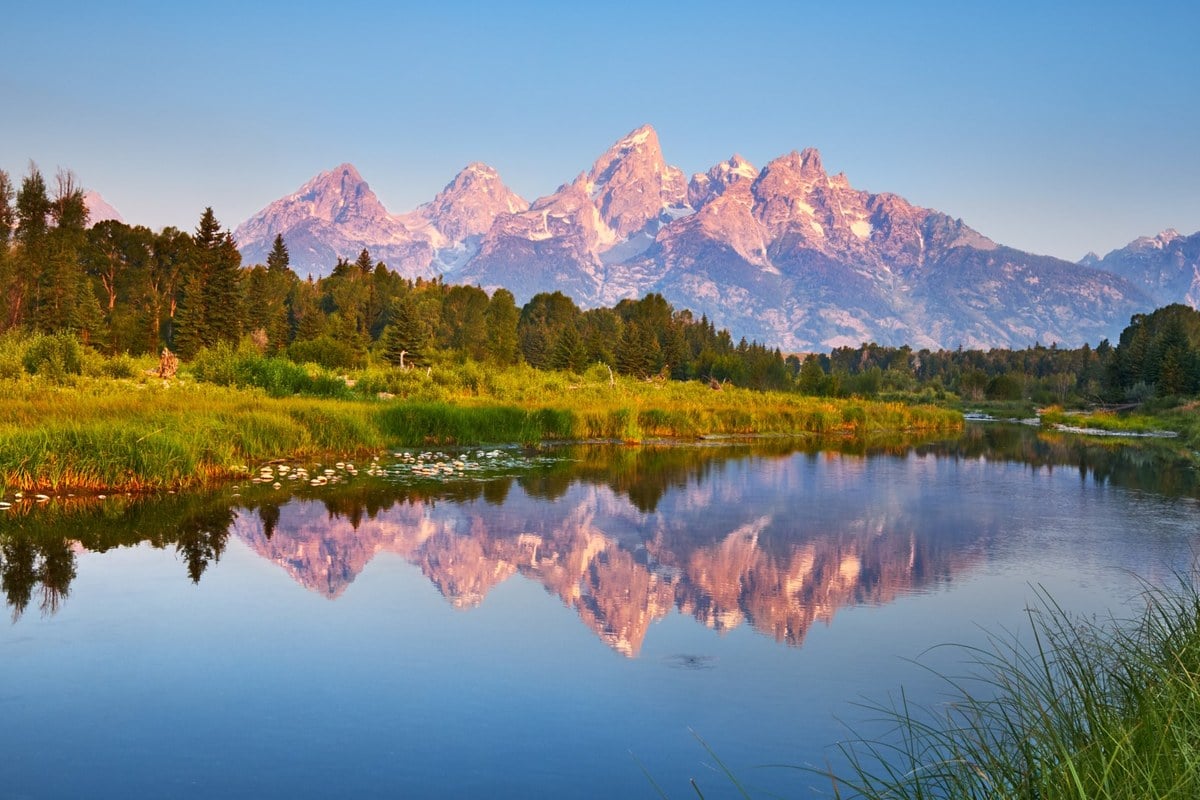
A Crucial Distinction: Travelers should note the geographic difference between Jackson Hole (the 50-mile-long valley floor framed between the Teton and Gros Ventre ranges) and the historic Town of Jackson, which serves as the vibrant commercial and cultural anchor of the region.
The Town of Jackson: Art Galleries, Rodeo Tradition & Elevated Dining
With a year-round population of approximately 10,000 residents, the Town of Jackson has evolved into one of the country’s top five art markets and a sophisticated culinary destination. Strolling around the historic Town Square — framed by four monumental elk antler arches — reveals exceptional galleries showcasing contemporary Western sculpture, native crafts, and master wildlife photography.
If you visit only one cultural institution, make it the National Museum of Wildlife Art. Perched dramatically on a red-rock bluff overlooking the National Elk Refuge, its stone fortress architecture houses masterworks spanning Georgia O’Keeffe, Carl Rungius, and renowned naturalist painters.
The Snake River Grill
Perhaps the most celebrated restaurant in Western Wyoming. A perennial favorite of repeat visitors for its wood-burning hearth, Montana trout, and pan-roasted elk tenderloin. Advance reservations are mandatory months ahead.
Coelette & Rendezvous
Coelette delivers a fresh, visionary take on mountain farm-to-table dining inside a restored historic cabin. For seafood lovers, Rendezvous Bistro serves impeccably fresh oysters and American classic fare.
The Jackson Hole Rodeo
No visit to Jackson is complete without experiencing the local rodeo. Operating Wednesdays and Saturdays from Memorial Day through Labor Day, it showcases authentic bronc riding, barrel racing, and six generations of Wyoming ranch heritage.
Million Dollar Cowboy Bar
An absolute Wyoming institution since 1937 on Jackson Town Square. Famous for genuine leather saddle barstools, live country western swing music, dancing, and historic cowboy memorabilia.
Grand Teton National Park: The Perfect One-Day Loop
Jackson Hole serves as the ultimate base camp from which to explore Grand Teton and Yellowstone, two of America’s greatest natural treasures. Grand Teton can be explored seamlessly in a single, well-curated day trip:
- Laurence S. Rockefeller Preserve: Start at the South Entrance near Teton Village. The interactive nature center explains how John D. Rockefeller Jr.’s extraordinary donation of over 200,000 acres made the modern park possible in 1950. The trailhead leads directly to the tranquil shores of Phelps Lake — Ignacio’s personal favorite hiking sanctuary.
- Jenny Lake & Inspiration Point: Board the historic wooden boat shuttle across Jenny Lake to reach the foot of Cascade Canyon, with granite cathedral peaks looming thousands of feet overhead.
- Oxbow Bend & Signal Mountain: Drive to the top of Signal Mountain or pull off at Oxbow Bend to capture Mount Moran reflecting in the Snake River, watching for moose feeding in willow marshes and pelicans skimming the water.
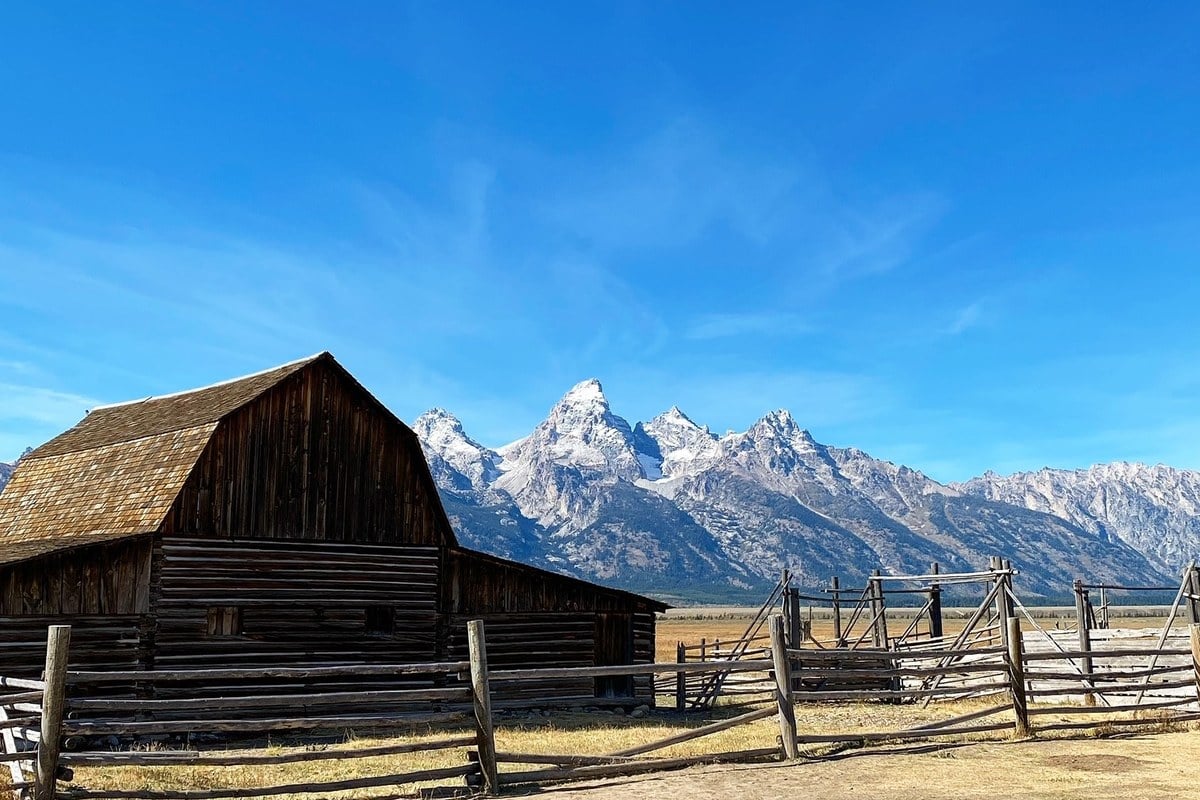
- Mormon Row & Antelope Flats: End the loop observing wild bison herds grazing across Antelope Flats before photographing the timeless Moulton barns against the alpenglow.
Yellowstone National Park: America’s Serengeti & Geothermal Wonders
Covering nearly 3,500 square miles, Yellowstone was established in 1872 as the world’s very first national park. Often called “America’s Serengeti,” the park shelters the largest concentration of wild mammals in the contiguous United States, including grizzly bears, gray wolves, wild bison, elk, and pronghorn.
Because of Yellowstone’s vast scale, Ignacio advises dividing your journey into distinct South and North loops, or starting in Jackson Hole, overnighting within the park, and journeying north toward Montana over two to three days.
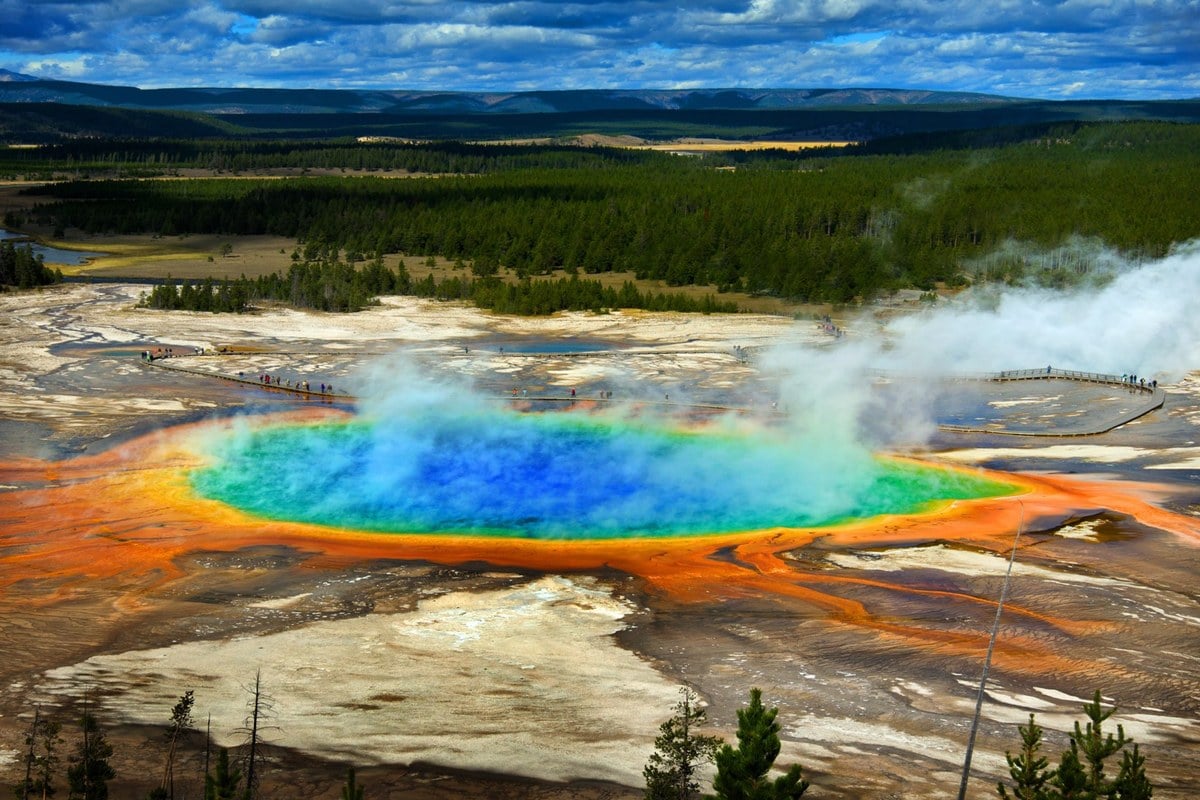
Must-see Yellowstone highlights include:
- Old Faithful Geyser: Erupting predictably every 90 minutes for more than a century, shooting boiling spray 130 feet into the alpine sky.
- Grand Prismatic Spring: The largest hot spring in the United States, displaying psychedelic rings of deep azure, turquoise, emerald, orange, and crimson.
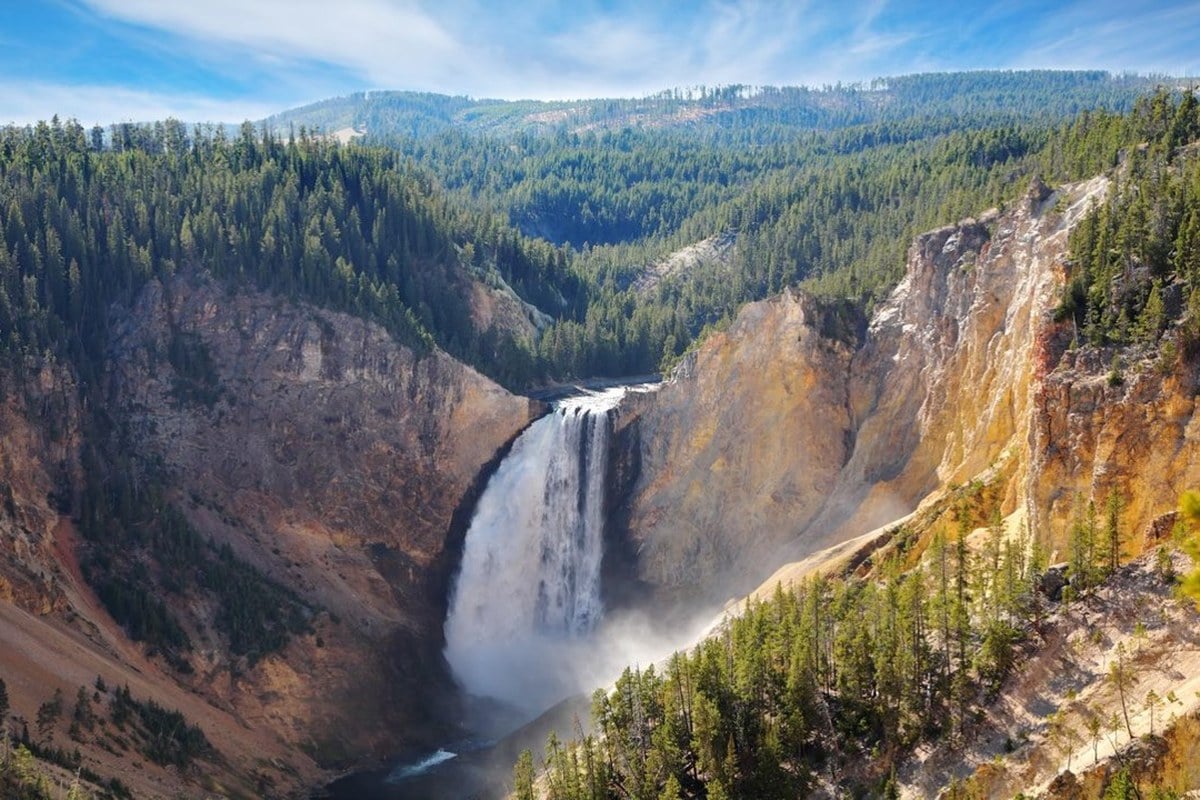
- Grand Canyon of the Yellowstone: The breathtaking Lower Falls plunging 308 feet into sheer golden canyon walls.
- Lamar and Hayden Valleys: The premier wildlife tracking theaters in North America, best explored at sunrise with naturalist guides armed with high-powered spotting scopes.
Four-Season Mountain Adventures in Jackson Hole
Jackson Hole delivers outdoor immersion across all twelve months:
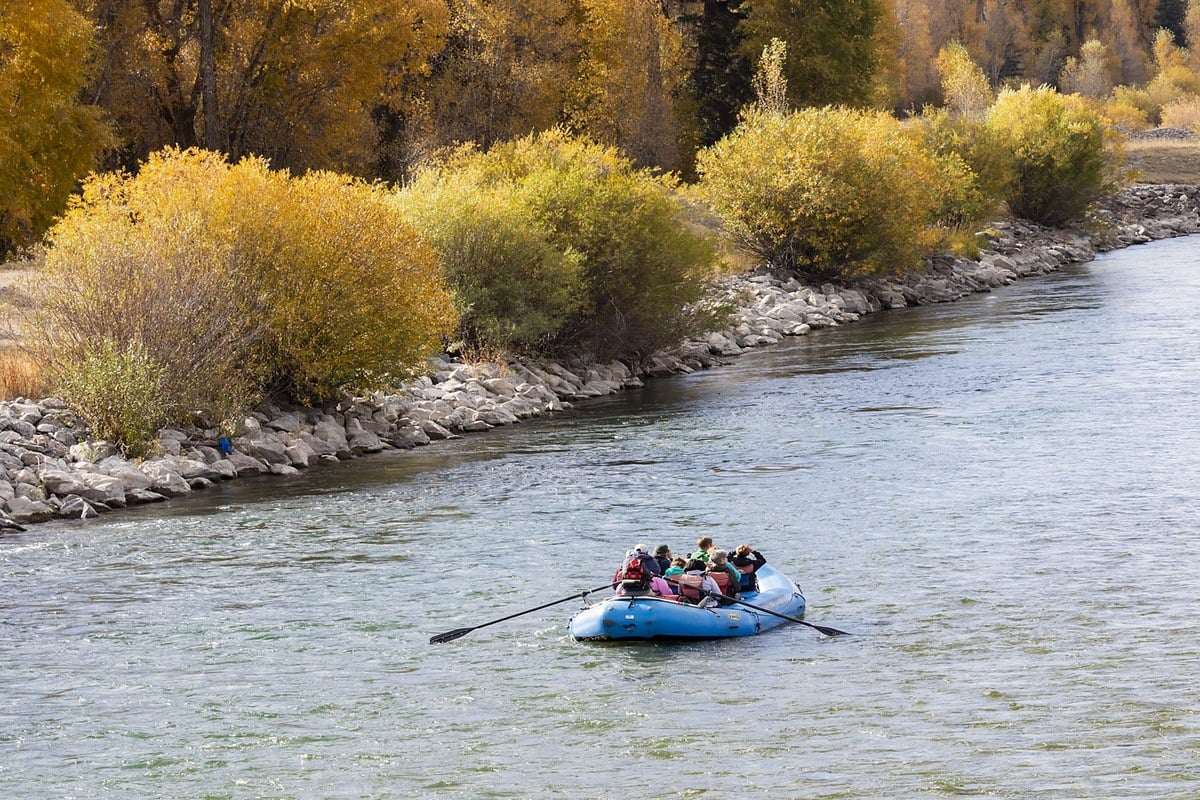
- Spring to Autumn: Enjoy scenic float trips and thrilling whitewater rafting down the Snake River Canyon, blue-ribbon fly fishing on the South Fork, mountain biking, horseback trail riding, and hundreds of miles of alpine hiking.
- Teton Village High-Energy Excursions: Soar with a certified pilot on a tandem paragliding flight from the top of Rendezvous Mountain — a descent of 3,000 vertical feet in 20 exhilarating minutes. Alternatively, tackle the Jackson Hole Via Ferrata, suspended high on granite walls and aerial suspension bridges.
- Winter Skiing & Snow Safaris (November to April): Renowned globally for steep chutes, deep “cowboy powder,” and the infamous Corbet’s Couloir at Jackson Hole Mountain Resort. Non-skiers can explore Yellowstone aboard heated snow coaches or snowmobiles to witness geothermal geysers erupting amidst pristine snowfields.
Ignacio Maza’s Insider Advice for Jackson Hole
- Respect the Altitude: Jackson Hole sits at approximately 6,700 feet elevation, with ski summits topping 10,450 feet. Drink copious water, pace physical activity on arrival, and avoid heavy alcohol during your first two nights.
- Reserve Dining and National Park Tours Months Ahead: Top tables like Snake River Grill and private naturalist guides book out months in advance, especially for July, August, and peak ski holidays.
- Combine Both Parks on a Multi-Day Route: Do not attempt to conquer both Grand Teton and Yellowstone in a single hurried day. Dedicate at least one full day to Grand Teton and two to three days to Yellowstone.
- Direct Air Service: Jackson Hole Airport (JAC) offers seasonal and year-round nonstops from Denver, Dallas/Fort Worth, Chicago, Salt Lake City, Houston, San Francisco, Los Angeles, Minneapolis, Atlanta, and New York.
Continue Reading the Jackson Hole Luxury Trilogy:
- Part 1 Reasons to Visit, National Parks & Activities (Current Guide)
- Part 2 Where to Stay: Amangani & Town of Jackson Properties →
- Part 3 Where to Stay: Teton Village Luxury Lodges & Four Seasons →
Frequently Asked Questions About Visiting Jackson Hole
Plan Your Jackson Hole & National Parks Journey
Let the luxury travel designers at Vincent Vacations craft your custom Jackson Hole and Yellowstone itinerary. Enjoy preferred partnership amenities at Amangani and Four Seasons, private naturalist wildlife safaris, and guaranteed dining reservations.