
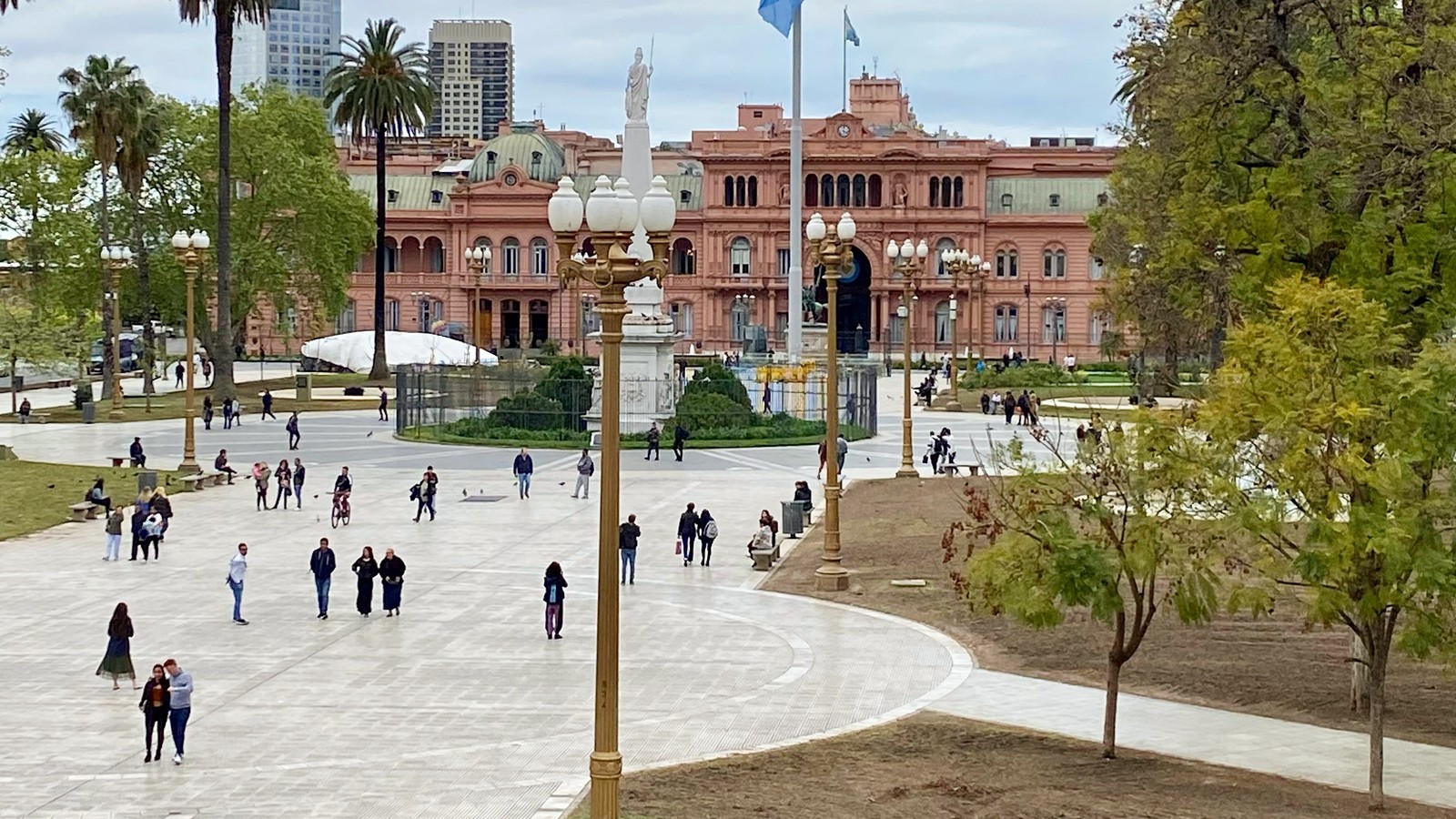
Buenos Aires is undeniably the most European of all South American capitals. A sprawling, energetic metropolis of over 15 million inhabitants, the Argentine capital is deeply sophisticated, bustling, and intensely cosmopolitan. Rather than a monolithic city, Buenos Aires is an enchanting mosaic of distinct barrios (neighborhoods)—each possessing its own architectural aesthetic, cultural pulse, and culinary identity.
Advisor Orientation: How to Approach Buenos Aires
To truly grasp Buenos Aires, one must explore it neighborhood by neighborhood. From the civic grandeur of El Centro and the antique charm of San Telmo to the aristocratic French mansions of La Recoleta and the creative boutiques of Palermo, here are my curated firsthand recommendations, landmark discoveries, and favorite dining tables.
1. El Centro: Civic Grandeur, Opera & Historic Palaces
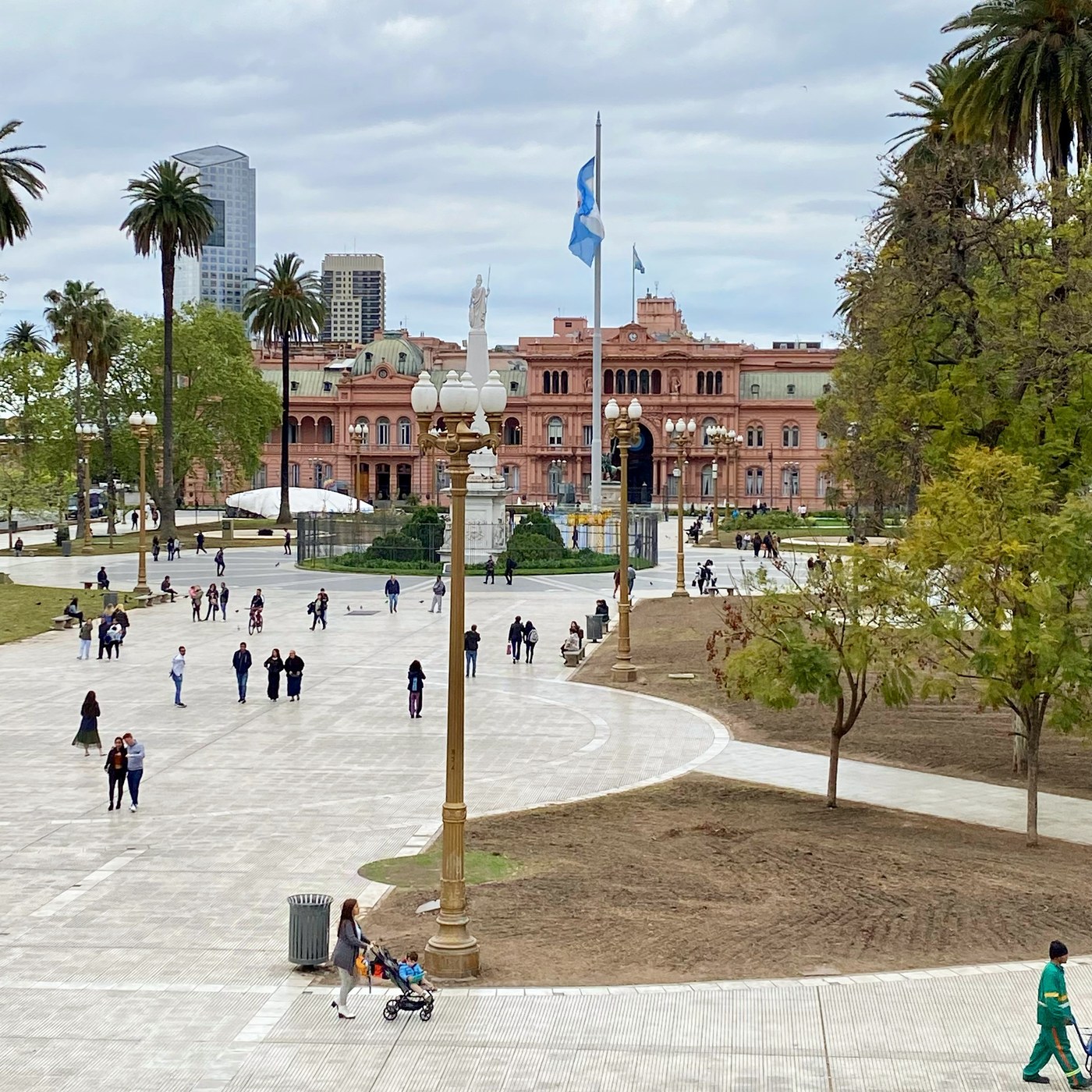
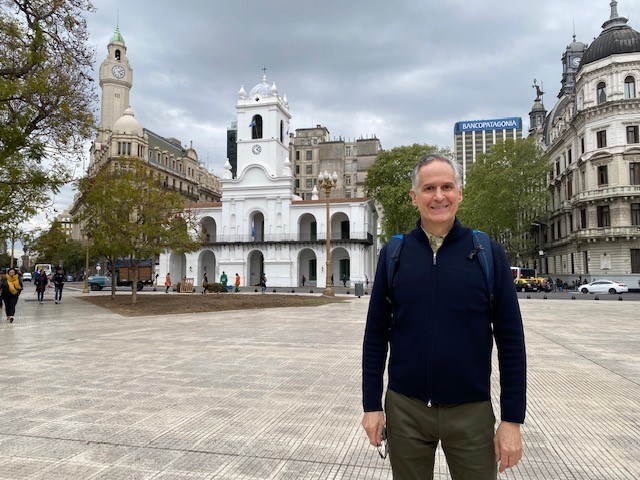
This stately, historic district represents the foundational political and cultural heart of Argentina. Here stands the historic Cabildo, the pristine 18th-century Spanish colonial town hall that housed the viceregal government; the distinctive pink-hued Casa Rosada (Argentina’s Presidential Palace); and the venerated Plaza de Mayo.
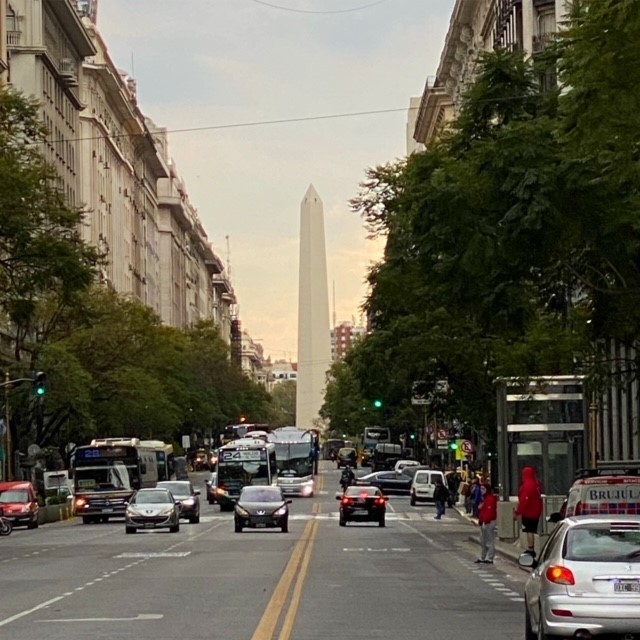
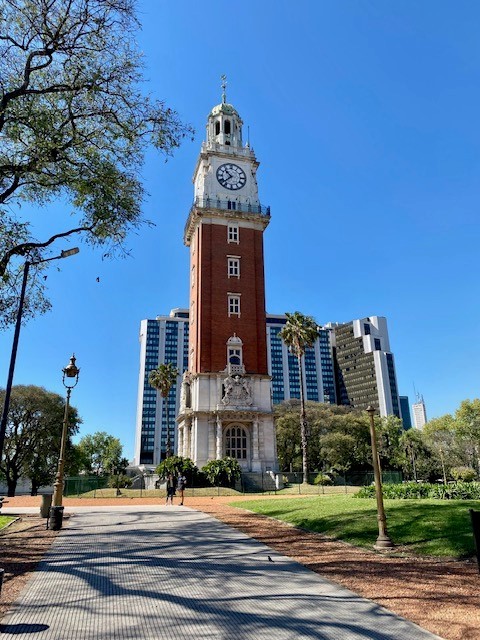
Bordering the plaza is the monumental Metropolitan Cathedral, whose neo-classical twelve-column portico shelters the marble mausoleum and eternal flame of General José de San Martín, the father of Argentine independence. Just west rises the National Congress building, crowned by its magnificent green bronze dome modeled after the U.S. Capitol. A short stroll brings you to the dizzying lanes of Avenida 9 de Julio—spanning up to 16 traffic lanes across 460 feet—and its iconic central Obelisk.
Architectural & Cultural Must-Sees in El Centro
- Palacio Barolo (Avenida de Mayo 1370): An astonishing 1923 high-rise architecturally designed around Dante Alighieri’s Divine Comedy (Hell, Purgatory, and Heaven). Ascend to the 360-degree glass lighthouse beacon on the rooftop for the most dramatic urban panoramas in Buenos Aires.
- Teatro Colón (Calle Tucumán 1171): Widely recognized as one of the top five opera houses in the world for acoustics. Take an expert-guided private tour through the gilded Hall of Busts, the Golden Room inspired by Versailles, and the lavish red-velvet auditorium.
- El Ateneo Grand Splendid (Avenida Santa Fe 1860): Frequently ranked by National Geographic as the world’s most beautiful bookshop. This opulent 1919 theater was painstakingly transformed into a multi-tiered literary cathedral where theater boxes serve as private reading nooks and the original stage functions as a café.
2. San Telmo: Cobblestone Heritage, Antiques & Tango Roots
South of the city center lies San Telmo, the oldest residential neighborhood in Buenos Aires. Spared from modern high-rise redevelopment, San Telmo retains an authentic, timeless Bohemian atmosphere with narrow cobblestone thoroughfares, wrought-iron gas lamps, shaded interior courtyards, and 19th-century colonial townhouses.
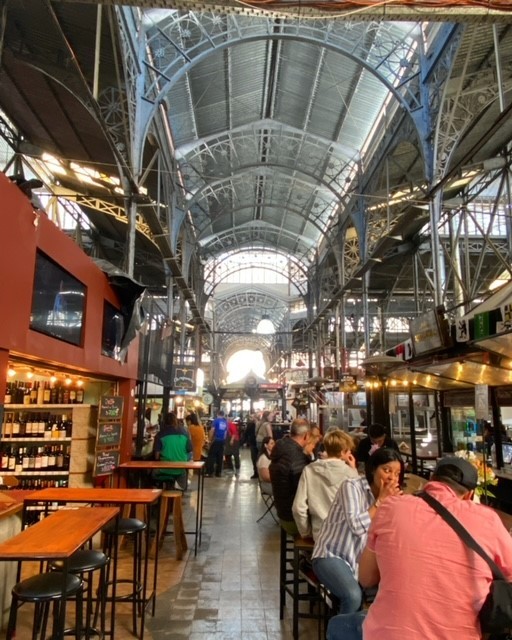
- Mercado de San Telmo: Commissioned in 1897 and taking up an entire city block, this soaring wrought-iron market hall is a sensory celebration. Traditional butchers and grocers sit side-by-side with artisanal specialty coffee roasters, vintage antique merchants, and casual gourmet food counters. Advisor Tip: Sample freshly baked meat and Malbec empanadas straight from the wood-fired ovens.
- Plaza Dorrego & Sunday Flea Market: The beating social square of San Telmo. On Sundays, the square hosts South America’s most celebrated open-air antique fair (Feria de San Telmo), where street musicians play bandoneóns and couples perform impromptu tango on the paving stones while patrons sip Quilmes beer at sidewalk cafés.
3. La Recoleta: Aristocratic Palaces & Fine Arts
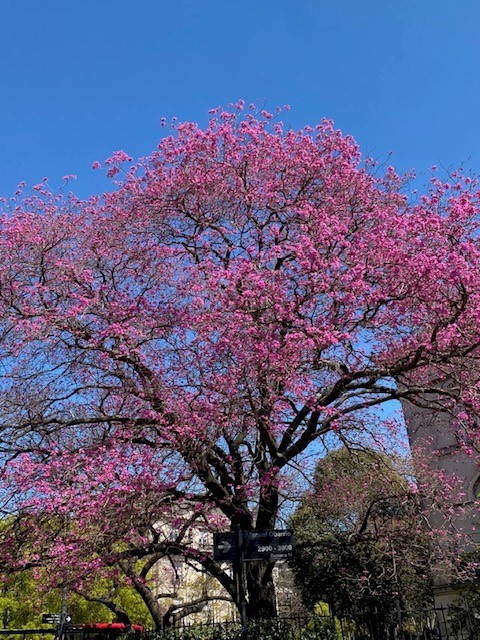
La Recoleta is the epitome of Buenos Aires’ Golden Era elegance. In the late 19th century, Argentina’s landowning nobility built opulent French Beaux-Arts, Renaissance, and Neo-Classical mansions along avenues lined with blooming jacaranda and rubber trees.
The neighborhood is anchored by the world-famous Recoleta Cemetery (Cementerio de la Recoleta), an extraordinary 14-acre marble necropolis of over 4,500 mausoleums and statues, serving as the final resting place of Argentina’s presidents, Nobel laureates, and national figures—most famously Eva Perón.
Recoleta Architectural & Artistic Treasures
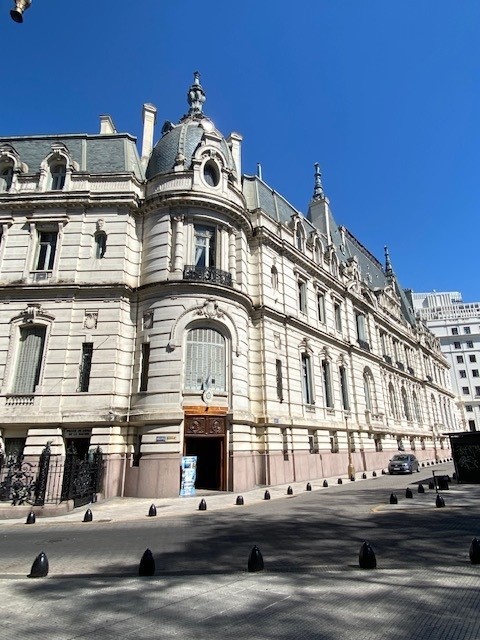
- Palacio Paz (Avenida Santa Fe 750): Built between 1902 and 1914 for newspaper tycoon José C. Paz, this 140-room Beaux-Arts palace is the largest private mansion in Buenos Aires. Modeled after French châteaux like Chantilly, its interiors feature imported Carrara marble, gilt ballrooms, and an awe-inspiring round Great Hall under an enormous glass cupola.
- Museo Nacional de Bellas Artes (MNBA): Argentina’s national art museum houses the finest collection of Argentine and international art in Latin America, showcasing masterpieces by Goya, Rembrandt, Van Gogh, Monet, and Rodin alongside Argentina’s master painters Antonio Berni and Xul Solar.
4. La Boca: Tango Birthplace & Painted Tenements
Situated at the mouth of the Riachuelo river, La Boca was Buenos Aires’ original port where waves of Italian immigrants (primarily Genoese sailors and dockworkers) arrived in the late 19th century. Resourceful immigrants constructed multi-family tenements (conventillos) out of corrugated scrap sheet metal, painting them with leftover nautical ship paint.
Today, the vibrant pedestrian street of El Caminito celebrates this working-class immigrant legacy with its vividly painted cobalt, yellow, and scarlet facades, open-air tango performances, local street artists, and nearby La Bombonera—the legendary stadium of Boca Juniors football club.
5. Palermo: Parklands, Avant-Garde Dining & Evita
Covering the northern expanse of the city, Palermo is the largest and trendiest neighborhood in Buenos Aires, subdivided into distinct enclaves including Palermo Soho (cobblestone streets, designer fashion boutiques, and open-air cocktail bars), Palermo Hollywood (Argentine television studios, cutting-edge gastropubs, and speakeasies), and Palermo Chico (tranquil embassy quarter).
Palermo Highlights
- MALBA (Museum of Latin American Art): A premier contemporary museum showcasing 20th and 21st-century Latin American masterpieces by Frida Kahlo, Diego Rivera, Tarsila do Amaral, and Fernando Botero.
- Bosques de Palermo (Parque 3 de Febrero): Spanning 988 lush acres, this green oasis was designed by legendary landscape architect Carlos Thays. Highlights include the Rosedal (with over 18,000 rose bushes), Japanese Garden, and serene boating lakes.
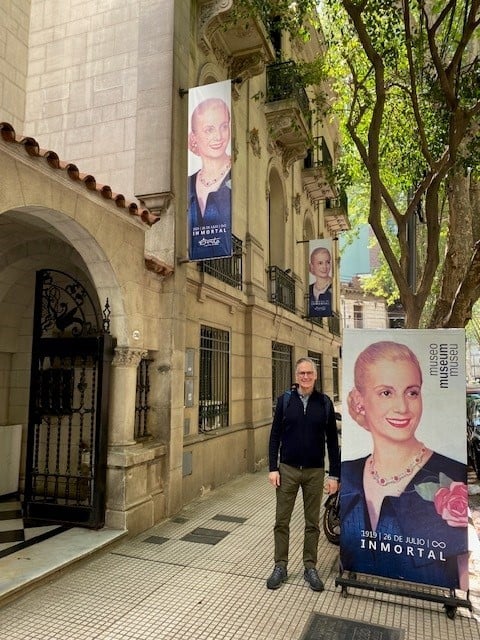
- Museo Evita: Located in an elegant 1923 mansion that once served as a shelter for single mothers run by Eva Perón’s foundation, this museum presents an intimate, balanced look into the life, iconic Dior wardrobe, and lasting socio-political impact of Evita.
Excursions Further Afield: Delta Escapes & Uruguay
For travelers with an extra day or repeat visitors looking for extraordinary regional discoveries, three day trips are highly recommended:
An 865-acre wild island oasis on the River Plate situated right beside Puerto Madero’s modern glass towers. Walk or bike along willow-lined trails observing black-necked swans and over 300 bird species.
Located just 20 miles north of the city. Board a private wooden commuter launch to cruise the tranquil maze of delta canals, admiring Victorian rowing clubs, stilt houses, and lush riverside vegetation.
Hop aboard the BuqueBus high-speed ferry across the Río de la Plata (75 minutes). Explore the romantic 17th-century Portuguese cobblestone streets and lighthouse of this UNESCO World Heritage town (passport required).
Ignacio Maza’s Recommended Restaurants in Recoleta
Buenos Aires is one of the culinary capitals of the world, celebrated for unrivaled grass-fed beef, world-class Malbecs, and innovative Italian-Spanish gastronomy. Three personal favorites in the Recoleta district (advance reservations essential):
- El Mirasol de la Recova (Posadas 1032): A quintessential Argentine parrilla located under the highway arches of La Recova. Renowned for succulent ojo de bife (ribeye), tender sweetbreads (mollejas), and classic Argentine hospitality.
- Fervor (Posadas 1519): An upscale, atmospheric two-level brasserie blending traditional charcoal-grilled Argentine steaks with exceptionally fresh seafood—an uncommon luxury in beef-centric Buenos Aires.
- Roux (Calle Peña 2300): An intimate, highly sophisticated culinary gem tucked into a residential corner of Recoleta. Master Chef Martín Rebaudino crafts exquisite Mediterranean-Argentine seasonal tasting menus paired with rare boutique wines.
The Argentina Activa Advantage: Seamless City Touring

Signature Destination Specialist Partner
"When planning your journey to Argentina, there is no better partner than Francesca Bercetche and the team at Argentina Activa, Signature Travel Network’s premier Destination Specialist in Buenos Aires. From private behind-the-scenes walking tours of closed private palaces to authentic neighborhood tango evenings and multi-day overland itineraries across the country, Argentina Activa provides unparalleled knowledge, reliable local drivers, and white-glove customer care from touchdown to takeoff."
Explore Custom Buenos Aires Touring with Argentina Activa →Explore Related Argentina & South America Travel Guides
Frequently Asked Questions About Buenos Aires Travel
Ready to Experience Buenos Aires with Insider Specialists?
From private architectural salon tours and VIP opera box seats to exclusive Recoleta suites and Tigre Delta yacht charters, let our certified South America luxury travel advisors craft your personalized Argentine journey with Argentina Activa.
Request Your Tailored Buenos Aires Itinerary