
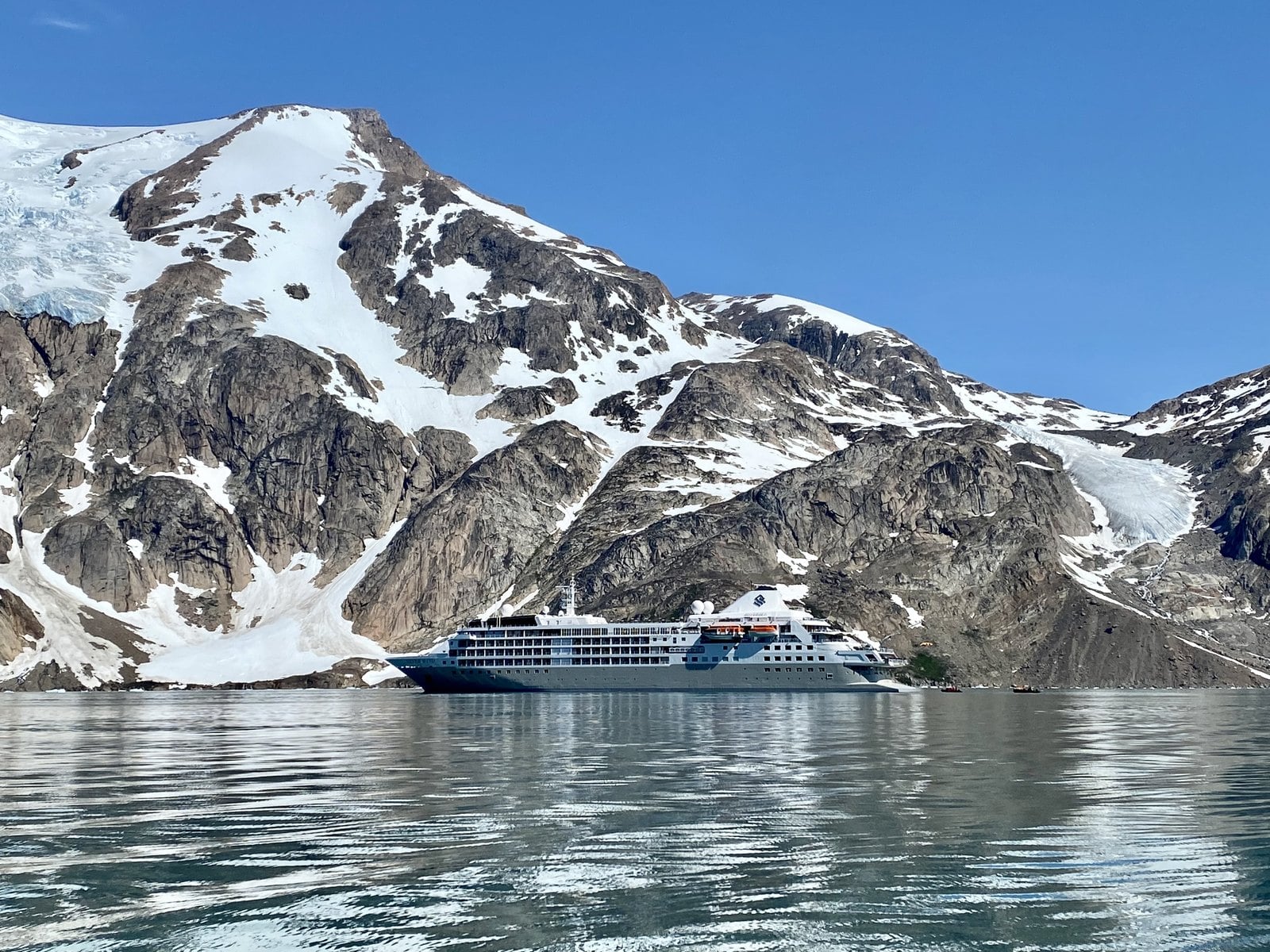
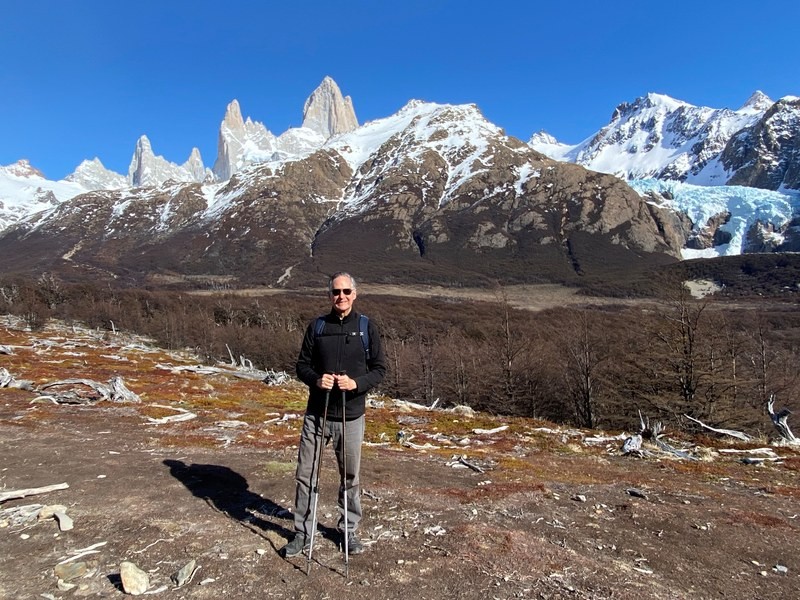
A Land of Mythic Scale & Timeless Ice
Greenland is the largest island on Earth and the closest landmass to the North Pole. It is difficult to comprehend its immense physical magnitude until you consider that Greenland spans over 836,000 square miles—larger than the entire nation of Mexico and more than three times the size of Texas.
The vast majority of the island is entombed beneath an enormous continental ice sheet measuring over 1,600 miles long and up to two miles thick. Virtually all of Greenland’s interior is uninhabited wilderness. Its 56,000 residents live almost entirely in small settlements and colorful harbor towns scattered along the ice-free southwest coastline, where the climate is moderated by North Atlantic currents.
A self-governing Danish territory, Greenland remained largely closed to foreign leisure travelers until the 1950s. Today, small luxury expedition ships offer the ideal, sustainable way to access its roadless fjords.
≡ Top Reasons to Visit Greenland Now
Spectacular Landscapes: Raw, Primordial Beauty
Greenland will take your breath away with its pristine, untamed grandeur. Here you will witness crystalline fjords that stretch inland for dozens of miles between sheer granite peaks, mirror-like alpine tarns, cascading glacial meltwater waterfalls, and miles of windswept coastal tundra.
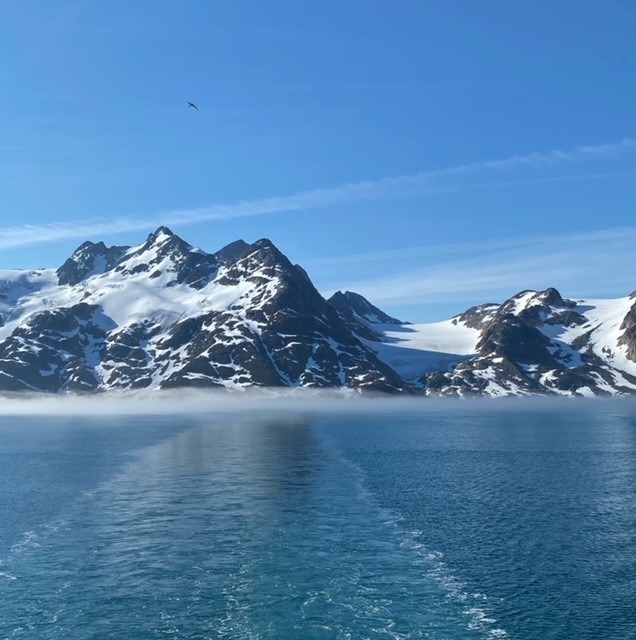
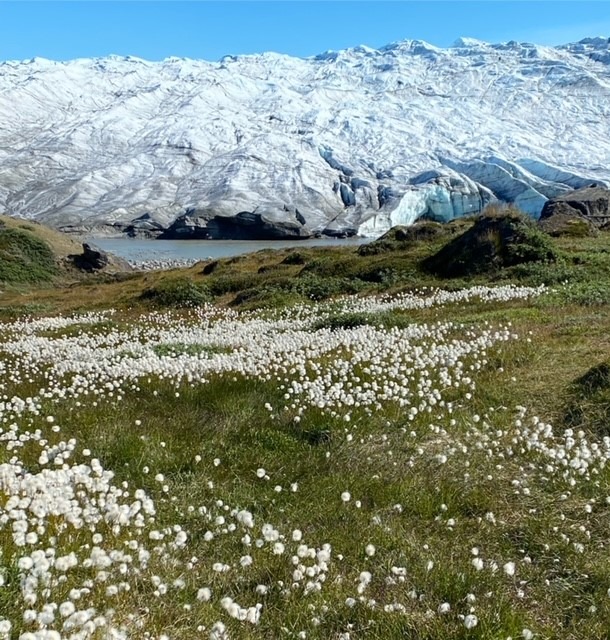
Because there are virtually no trees on the island, the vistas are unobstructed and boundless. The palette is a striking interplay of ancient dark rock, emerald mosses, crystalline blue sea ice, and the blinding white brilliance of the continental ice cap visible on the distant horizon.
A Rich & Living Inuit Culture
The indigenous Inuit people arrived in Greenland in successive migration waves from Arctic Canada beginning approximately 4,500 years ago. Traveling along the southwest coast, visitors have the rare privilege of encountering a vibrant, living culture deeply rooted in spiritual reverence for the sea and wildlife.
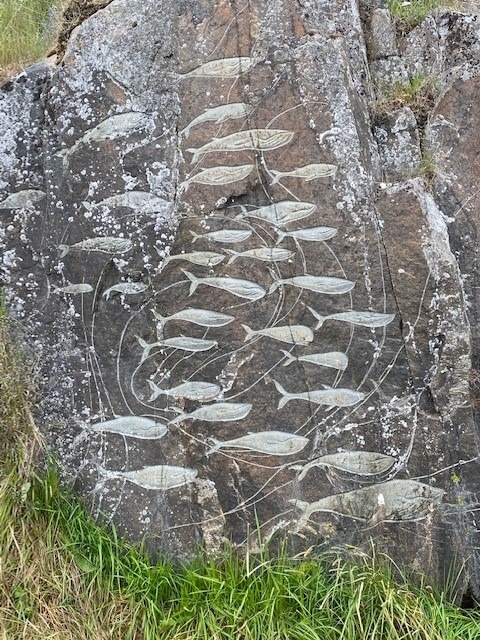
The finest collections of Arctic ethnography are located at the National Museum of Greenland in Nuuk and the charming open-air museum in Nanortalik. In Nuuk, do not miss the world-famous Qilakitsoq mummies—four women and four children from 1475 miraculously preserved by freezing sub-zero winds and dry mountain caves, offering a chilling and reverent window into pre-colonial Arctic life.
Sea Kayaking, Elevated: Born in the Arctic
Did you know that kayaking was originally invented in Greenland? For centuries, Inuit hunters crafted lightweight skin-on-frame sealskin boats (qajaq) tailored precisely to their bodies for silent hunting among sea ice.
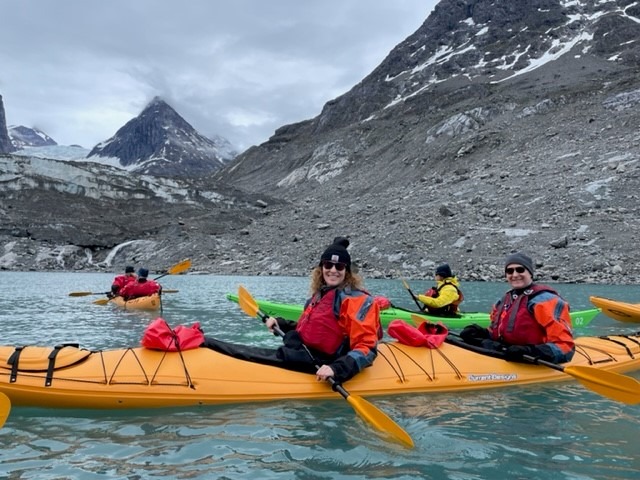
Onboard Silversea Expeditions, guests can slip into drysuits and take to the water in stable tandem sea kayaks under the guidance of certified polar paddle masters. Gliding soundlessly past sculptured sapphire icebergs, hearing the sharp pop and crackle of releasing prehistoric air bubbles, and watching seabirds skim the surface is an exhilarating highlight of any polar voyage.
Charming Small Towns & Vibrant Communities
The majority of Greenlanders reside in small coastal settlements on the southwest coast, where weather is milder and fjords provide sheltered harbors. Visiting these picturesque towns offers an authentic glimpse into modern Arctic life.
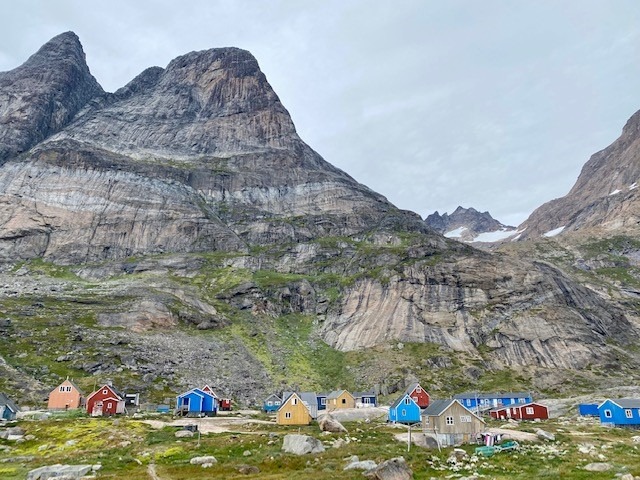
Among Ignacio’s favorites is Aappilattoq, an isolated settlement of roughly 100 inhabitants nestled dramatically at the base of sheer 2,000-foot granite peaks in Prince Christian Sound. Local Greenlanders are warm, hospitable, and immensely proud of their Arctic homeland. During high summer, communities are alive with outdoor activity as the midnight sun bathes coastal harbors in warm golden light late into the night.
Big, Beautiful Calving Glaciers
Greenland’s colossal ice sheet is never far from sight. It relentlessly pushes trillions of tons of dense glacial ice seaward through hundreds of narrow glacier valleys and tidewater fjords.
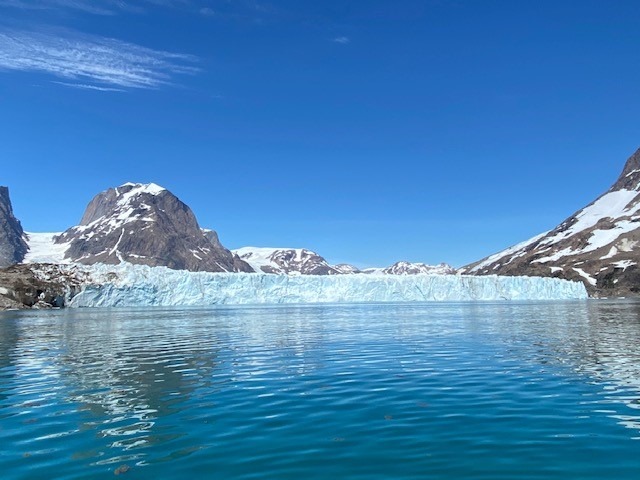
Wherever you sail, active glaciers are nearby. From the deck of your ship or aboard maneuverable Zodiac tenders, you will hear the deep, echoing thunder of calving ice (known as “white thunder”) as massive skyscraper-sized slabs shear away and plunge into the sea, generating rolling waves and releasing hundreds of new icebergs into the currents.
Walk in the Footsteps of the Norse Vikings
Around 985 AD, Norse Viking explorers led by Erik the Red sailed west from Iceland, establishing two major farming colonies in Southwest Greenland (the Eastern and Western Settlements). For nearly five centuries, thousands of Norse settlers raised livestock, built stone churches, and traded walrus ivory across northern Europe before mysteriously vanishing in the early 1400s.
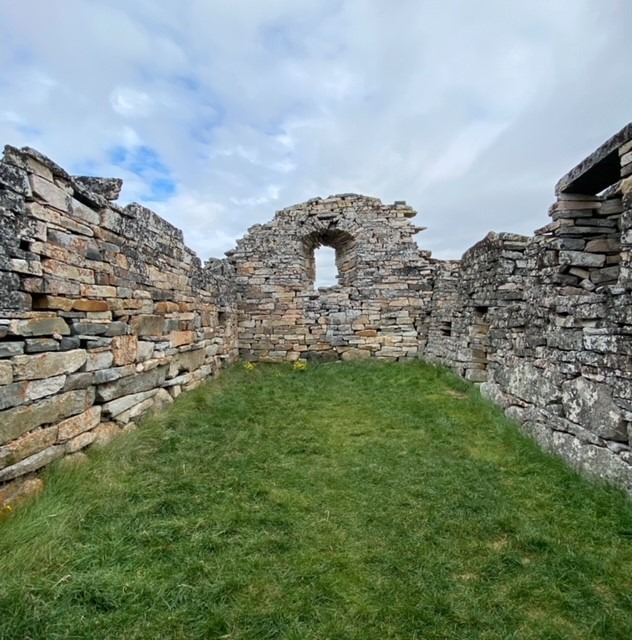
The crown jewel of Norse archaeology is Hvalsey (now part of the Kujataa UNESCO World Heritage landscape). Standing amidst the silent, dry-stone granite walls of Hvalsey Church—where the last recorded Norse document was signed during a wedding in September 1408—is an unforgettable journey into medieval history.
Memorable Wilderness Hikes for All Abilities
Every landing in Greenland offers extraordinary hiking opportunities across trackless Arctic wilderness. Silversea’s expedition team divides guests into distinct pacing groups, allowing everyone from casual walkers to ambitious mountaineers to explore comfortably.
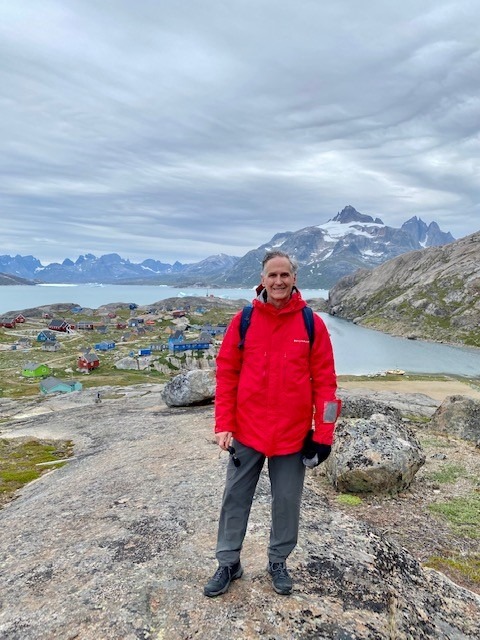
Trails range from gentle shoreline strolls through purple saxifrage and Arctic bell-heather to invigorating climbs up rocky ridges that reward hikers with 360-degree panoramas of icefields, glittering bays, and distant mountain summits.
The Ilulissat Icefjord: The Birthplace of Icebergs
Nothing on Earth compares to Ilulissat Icefjord (Kangia) in Disko Bay. Designated a UNESCO World Heritage Site, this aquatic marvel is fed by the Sermeq Kujalleq glacier—the fastest-moving glacier outside Antarctica, advancing at up to 130 feet per day and producing 20 million tons of ice every 24 hours.
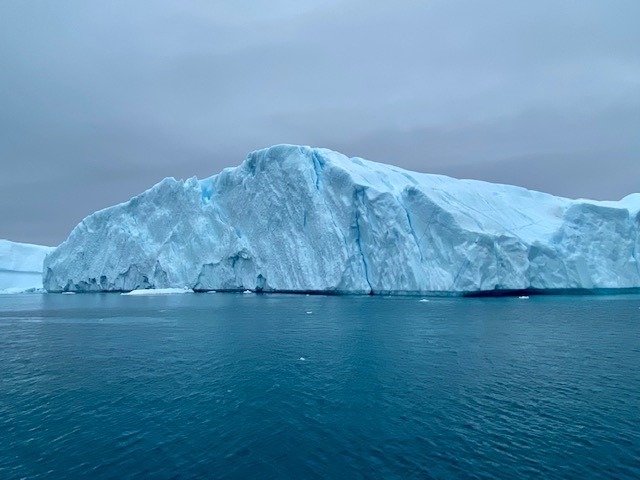
Navigating among these colossal floating ice castles aboard small expedition watercraft is staggering. Many icebergs tower 200 to 300 feet above the waterline, carved by wind and sea into arches, spires, and iridescent blue grottos. Keep watch for pods of humpback, minke, and fin whales that feed in the nutrient-rich waters beneath the icebergs, or take a flightseeing helicopter over the glacier snout.
A Natural Wonderland Without the Crowds
At a time when premier national parks, scenic reserves, and iconic destinations across North America and Europe are grappling with overcrowding, timed permits, and gridlock, Greenland remains a tranquil sanctuary of pure wilderness.
When you step ashore here, there are no crowds, no tour buses, and no souvenir commercialization. You will experience profound silence broken only by the crackle of ancient ice, the call of fulmars and kittiwakes, and the gentle lapping of glacial waters. For active, inquisitive travelers looking for fresh horizons, Greenland belongs at the very top of your travel wish list.
Explore Our Firsthand Polar Guides
Prepare for your Arctic journey with companion guides authored by luxury authority Ignacio Maza and Vincent Vacations advisors: