If you are booking a child younger than two years of age and prefer to have the child sit on your lap during the flight, include the child in the number of children and select "< 1" from the Child Ages dropdown.
If you are booking a child younger than two years of age and prefer to have the child sit on your lap during the flight, include the child in the number of children and select "< 1" from the Child Ages dropdown.
Hawaii Bird Watching Rare Species Amp Best Locations
We recognize that Hawaii vacations are not just an investment, but often the highlights of our lives, and we take that responsibility seriously. We want to ensure you have the best vacation experience.
Interested in a job in travel? Click here to learn: How to Become a Hawaii Travel Agent
2026–2027 Hawaii Destination & Signature Privileges Desk✓ Daily Breakfast for 2 + $100 Resort Credit & Room Upgrades
2026–2027 Hawaii Vacation Pathways: Inclusive Packages vs. NCL Pride of America vs. Signature Luxury Resorts
Hawaii Style
What Is Included
Best Islands / Properties
Vincent Vacations Signature Perks
True All-Inclusive Retreat
All gourmet meals, wellness activities, guided island hikes & airport transfers
Sensei Lanai, A Four Seasons Resort & Kona Village (Dining Plan packages)
Priority room upgrade, $100+ resort/spa credit, and inter-island flight coordination
4-Island All-Inclusive Cruise
7-night inter-island voyage, dining, beverage package, and overnight stays in Maui & Kauai
Norwegian Cruise Line Pride of America (Oahu, Maui, Big Island, Kauai)
Free At Sea / More At Sea perk stacking + pre-cruise Waikiki luxury hotel bundle
Four Seasons Maui at Wailea, Grand Wailea, Fairmont Kea Lani, Halekulani, Aulani
Complimentary Daily Breakfast for Two (saves $90–$120/day) + $100 Resort Credit
Hawaii Bird Watching: Rare Species & Best Locations
Introduction to Hawaii Bird Watching
Unique Aspects of Birding in Hawaii
Conservation Efforts and Protected Areas
Rare and Endangered Bird Species in Hawaii
Hawaiian Goose (Nene): Habitat and Sightings
Hawaiian Hawk and Native Owl (Pueo)
Hawaiian Honeycreepers: Apapane, I'iwi, and Akepa
Other Endangered Species: Elepaio, Omao, and Akiapola'au
Best Birding Locations in Hawaii
Hawaii Volcanoes National Park: Crater Rim Drive and Chain of Craters Road
Hakalau Forest National Wildlife Refuge: Access and Key Species
Kilauea Point National Wildlife Refuge: Seabirds and Albatrosses
Haleakala National Park: Hosmer Grove and Leleiwi Overlook
James Campbell National Wildlife Refuge on Oahu
Coastal and Seabird Watching
Laysan Albatross, Hawaiian Petrel, and Booby Species
Best Coastal Locations: Hanalei Pier, Honokohau Harbor, and Mauna Kea
Migratory and Resident Seabirds
Tips and Preparations for Birding in Hawaii
Sticking to Official Trails and Respecting Protected Areas
Importance of Hydration and Timing Your Excursions
Using Binoculars and Identifying Birds by Song
Resources from Hawaii’s Department of Land and Natural Resources
Planning Your Birding Trip to Hawaii
Traveling to Key Islands: Kauai, Oahu, Maui, and Hawaii Island
Itinerary Suggestions and Must-Visit Sites
Tourism Infrastructure and Local Guides
Hawaii Bird Watching: Rare Species & Best Locations
Hawaii, often referred to as a birdwatcher's paradise, is home to a diverse and unique array of avian species. The islands' remote location and geological history have led to the evolution of many endemic bird species that can be found nowhere else on Earth. However, many of these species are now endangered due to various threats such as habitat loss, introduced predators, and diseases like avian malaria.
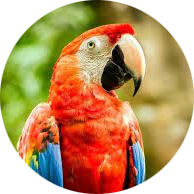
The native forests of Hawaii are a critical habitat for many of these rare birds. To spot these elusive creatures, birdwatchers must venture into the higher altitude, remote forests that are above the "mosquito line," where it is too cold for mosquitoes to survive. These forests are home to the Hawaiian Hawk (‘Io) and the Pueo (native owl), both of which are rare to see but are integral parts of Hawaii's avifauna.
Birding in Hawaii involves more than simply "birdwatching." It requires a keen eye and ear, as identifying the unique song of a given species can greatly increase your chances of encountering these elusive birds.
The conservation efforts in Hawaii are ongoing, with several protected nature reserves and national parks identified as "Hawaii Birding Hotspots." These include the Hawaii Volcanoes National Park on the Big Island, where the Nene (Hawaiian Goose), the official state bird, has made a remarkable recovery from the brink of extinction. Other key locations include the Hakalau Forest National Wildlife Refuge and the Kilauea Point National Wildlife Refuge on Kauai, which is ideal for spotting seabirds like the Laysan Albatross and Hawaiian Petrel.
For those interested in coastal and seabird watching, Hawaii's coastlines offer a wealth of opportunities. The Kilauea Point National Wildlife Refuge and the Kaena Point Trail on Oahu are standout locations for spotting a variety of seabirds, including the Blue and Red Footed Boobies. These areas also provide a chance to see other marine wildlife, such as the occasional Hawaiian monk seal.
Preparing for a birding trip to Hawaii involves thorough research and planning. Birders can benefit from resources provided by the Hawaii Department of Land and Natural Resources, which includes detailed pictures and recordings of birdsong. Additionally, using apps like iBird Hawaii and studying eBird reports can help in identifying the best locations and times to spot specific species.
When venturing into Hawaii's protected forests, it is crucial to stick to official trails and respect restricted areas. Staying hydrated, planning excursions carefully, and being mindful of the changing weather conditions are also essential tips for a successful and safe birding experience.
Hawaii's unique avian treasures and stunning natural landscapes make it a must-visit destination for any birding enthusiast. With the right preparation and respect for the environment, your birding adventure in Hawaii can be a truly unforgettable experience.
▶ Official Consumer Video WalkthroughSignature Daily Breakfast for Two + $100+ Resort Credit + Upgrade Priority
Hawaii Luxury Resorts & Island-Hopping Walkthrough: Maui, Kauai, Hawaii Island & Oahu Signature Stays
Explore Wailea's golden beaches on Maui, Kona-Kohala lava coasts on the Island of Hawaii, Kauai's lush Na Pali cliffs, and Oahu—unlocking complimentary Signature daily breakfast and $100+ resort credits at Hawaii's finest oceanfront resorts.
Daily breakfast for two at luxury Hawaii resorts easily saves $110–$150 per day—included free via our Signature partnership!
Our Hawaii specialists design smooth two-island pairings (like Maui + Kauai or Maui + Big Island) with inter-island flights and rental cars.
Compare resort land island-hopping against NCL Pride of America's 4-island itinerary based on your vacation style.
Read Video Transcript & Signature Advisor Planning Notes
Video Transcript Summary: Feel warm aloha across Maui, the Island of Hawaii, Kauai, and Oahu at Hawaii's premier oceanfront luxury resorts. Relax at iconic properties like Grand Wailea, Four Seasons Maui and Hualalai, Montage Kapalua Bay, and 1 Hotel Hanalei Bay. Snorkel Molokini Crater, helicopter above Kauai waterfalls, and watch humpback whales breach right from your lanai. Book Hawaii through Vincent Vacations to unlock daily breakfast for two, $100-plus resort credits, and VIP upgrades.
How Vincent Vacations Elevates Your Hawaii Luxury Resorts & Island Hopping Trip: As an elite Signature Travel Network member agency led by Lia Vincent, Owner & Founder, our 250+ independent travel advisors secure exclusive shipboard credits, hosted voyage invitations, and hotel breakfast & $100+ resort credits at the exact same price as booking direct—with $0 agency planning fees.
Want the Exact Same Direct Price + Signature VIP Perks?
Speak with a certified Hawaii Luxury Resorts & Island Hopping specialist at Vincent Vacations ($0 planning fee).
Hawaii is a paradise for birdwatchers, boasting a unique and diverse array of avian species that can be found nowhere else on Earth. The islands' remote location and geological history have led to the evolution of many endemic bird species. These birds have adapted to Hawaii's distinct environment, resulting in species like the Hawaiian Goose (Nene), the Hawaiian Hawk (‘Io), and the Pueo (native owl), which are rare to see but integral to Hawaii's avifauna.
Birding in Hawaii involves more than simply "birdwatching." It requires a keen eye and ear, as identifying the unique song of a given species can greatly increase your chances of encountering these elusive birds.
The native forests of Hawaii are critical habitats for many of these rare birds. Due to the threat of avian malaria spread by mosquitoes, these birds have retreated to higher altitude, remote forests that are above the "mosquito line," where it is too cold for mosquitoes to survive. This unique aspect of birding in Hawaii makes the experience both challenging and rewarding.
Conservation Efforts and Protected Areas
Hawaii has robust conservation efforts in place to protect its endangered bird species. There are several protected nature reserves and national parks identified as "Hawaii Birding Hotspots" across four islands: Oahu, Maui, Kauai, and Hawaii Island. These include the Hawaii Volcanoes National Park, the Hakalau Forest National Wildlife Refuge, and the Kilauea Point National Wildlife Refuge.
The Hawaii Department of Land and Natural Resources plays a crucial role in these conservation efforts, providing detailed pictures and recordings of birdsong to help visiting birders prepare and identify the species they encounter. These resources, combined with the protected areas, make Hawaii an ideal destination for bird enthusiasts who are committed to both observing and preserving these unique species.
Protected Areas Overview
Location
Notable Species
Hawaii Volcanoes National Park
Nene, Hawaiian Hawk, White-tailed Tropicbirds
Hakalau Forest National Wildlife Refuge
Hawaii Elepaio, Omao, I'iwi, Apapane, Akiapola'au
Kilauea Point National Wildlife Refuge
Laysan Albatross, Hawaiian Petrel, Blue and Red Footed Boobies
These protected areas are not only crucial for the survival of Hawaii's bird species but also offer birders a chance to experience the natural beauty and unique biodiversity of the Hawaiian Islands.
Rare and Endangered Bird Species in Hawaii
Hawaiian Goose (Nene): Habitat and Sightings
The Hawaiian Goose, or Nene, is the official state bird of Hawaii and a prime example of successful conservation efforts. Once on the brink of extinction, the Nene has made a significant recovery due to protected status and conservation programs. These geese can commonly be found at Hawaii Volcanoes National Park on the Big Island, as well as on Maui and Kauai. Recently, a nesting family of Nene was even observed on Oahu’s North Shore, highlighting the species' gradual return to other islands.
Hawaiian Hawk and Native Owl (Pueo)
The Hawaiian Hawk (‘Io) and the Native Owl (Pueo) are two of Hawaii's most elusive and rare bird species. These birds are native predators and play crucial roles in the ecosystem. The Hawaiian Hawk is known for its broad wings and sharp talons, making it a formidable hunter. The Pueo, on the other hand, is a nocturnal bird with exceptional night vision, often seen flying low over open fields and forests. Both species are rare to spot, requiring a keen eye and patience from birdwatchers.
Identifying these birds often involves listening for their unique calls, as they can be difficult to spot visually.
Hawaiian Honeycreepers: Apapane, I'iwi, and Akepa
Hawaii's honeycreepers are a group of endemic birds known for their vibrant colors and specialized beaks. The Apapane, I'iwi, and Akepa are among the most recognizable species within this group. The I'iwi, with its distinctive long, curved salmon bill and red feathers, is particularly iconic. These birds have evolved to feed on nectar from flowers like the lehua, and their bills have adapted to fit perfectly into these tubular flowers.
Species
Characteristics
Habitat
Apapane
Black body with white stripes, short beak
High-altitude forests
I'iwi
Red feathers, long curved salmon bill
High-altitude forests, lehua flower areas
Akepa
Green or yellow plumage, short beak
High-altitude forests
Other Endangered Species: Elepaio, Omao, and Akiapola'au
Beyond the honeycreepers, other endangered species in Hawaii include the Elepaio, Omao, and Akiapola'au. The Elepaio is known for its brown and white plumage and is often seen flitting between trees. The Omao, a bird with a distinctive song, is found in higher elevation forests. The Akiapola'au, with its unique hammer-like beak, is one of the most critically endangered species, with only a few individuals remaining in the wild.
Conservation Status of Other Endangered Species
The conservation status of these birds is precarious, with ongoing efforts to protect their habitats and reduce the impact of diseases like avian malaria.
Visitors can contribute to these efforts by respecting protected areas and following guidelines provided by local conservation organizations.
Best Birding Locations in Hawaii
Hawaii Volcanoes National Park: Crater Rim Drive and Chain of Craters Road
Hawaii Volcanoes National Park, located on the Big Island, is a must-visit for any bird enthusiast. The park's diverse landscapes, including volcanic craters, lava tubes, and native forests, provide a habitat for a wide range of bird species. The Nene (Hawaiian Goose), Hawaii's official state bird, can often be spotted here, particularly along Crater Rim Drive and Chain of Craters Road. These areas offer stunning views and a chance to see other native birds like the Hawaiian Hawk (‘Io) and the Pueo (native owl).
Hakalau Forest National Wildlife Refuge: Access and Key Species
The Hakalau Forest National Wildlife Refuge, situated on the Big Island, is one of the most critical habitats for Hawaii's endangered forest birds. This refuge is the first national wildlife refuge established specifically for the management of native forest birds and covers about 16,500 acres of land. It is home to many endemic species such as the Hawaii Elepaio, Omao, I'iwi, Apapane, and the Akiapola'au. Access to the refuge is limited to guided tours to protect the delicate ecosystem and ensure the safety of both visitors and the birds.
Guided Tours at Hakalau Forest
Guided tours are available through the U.S. Fish and Wildlife Service, providing visitors with a knowledgeable guide who can help identify the various bird species and explain the conservation efforts in place.
Kilauea Point National Wildlife Refuge: Seabirds and Albatrosses
Located on Kauai's northern tip, the Kilauea Point National Wildlife Refuge is a prime location for spotting seabirds and albatrosses. This refuge is home to the Laysan Albatross, Hawaiian Petrel, and Blue and Red Footed Boobies. The refuge's coastal setting also offers a chance to see other marine wildlife, such as the occasional Hawaiian monk seal. The scenic overlooks and walking trails make it an ideal spot for both birdwatching and enjoying the natural beauty of Kauai.
Species
Habitat
Notable Features
Laysan Albatross
Coastal cliffs and grasslands
Large wingspan, distinctive call
Hawaiian Petrel
Mountainous regions, nesting in burrows
Black body, white underparts, yellow bill
Blue and Red Footed Boobies
Coastal areas, islands
Distinctive foot colors, social nesting behavior
Haleakala National Park: Hosmer Grove and Leleiwi Overlook
Haleakala National Park on Maui offers two exceptional birding locations: Hosmer Grove and Leleiwi Overlook. Hosmer Grove is a lush forest area known for its native bird species, including the I'iwi, Apapane, and Akepa. The Leleiwi Overlook, with its stunning views of the crater, is also a good spot to see these birds as well as other species like the Nene and Hawaiian Hawk. The park's high-altitude forests provide a unique environment where these birds thrive.
The early morning hours at Hosmer Grove are particularly rewarding, as the birds are most active during this time.
James Campbell National Wildlife Refuge on Oahu
The James Campbell National Wildlife Refuge, located on Oahu's north shore, is a vital habitat for several endangered bird species. This refuge is one of the few places where you can see the Hawaiian Stilt and the Hawaiian Coot. The refuge's wetland and coastal ecosystems also support a variety of migratory birds and seabirds. Visitors can explore the refuge via walking trails and observation decks, making it an accessible and rewarding birding destination.
Coastal and Seabird Watching
Laysan Albatross, Hawaiian Petrel, and Booby Species
Hawaii's coastlines are a haven for seabird enthusiasts, with several iconic species that can be spotted along the shores. The Laysan Albatross, known for its impressive wingspan, is a common sight at locations like the Kilauea Point National Wildlife Refuge on Kauai. This refuge is also home to the Hawaiian Petrel, which nests in burrows and can be seen flying over the coastal areas, especially during the evening hours when they return to their nests.
The Blue and Red Footed Boobies are another highlight of coastal birding in Hawaii. These colorful birds are known for their distinctive foot colors and social nesting behavior. They can be found on islands and coastal cliffs, making them a popular sight for birdwatchers.
Species
Habitat
Notable Features
Laysan Albatross
Coastal cliffs and grasslands
Large wingspan, distinctive call
Hawaiian Petrel
Mountainous regions, nesting in burrows
Black body, white underparts, yellow bill
Blue and Red Footed Boobies
Coastal areas, islands
Distinctive foot colors, social nesting behavior
Best Coastal Locations: Hanalei Pier, Honokohau Harbor, and Mauna Kea
For those interested in coastal bird watching, several locations stand out as must-visit spots. Hanalei Pier on Kauai is a popular spot for spotting seabirds, including the Laysan Albatross and various species of gulls and terns. Honokohau Harbor on the Big Island is another excellent location, known for its diverse array of seabirds and the occasional sighting of the Hawaiian monk seal.
Hanalei Pier offers stunning views of the surrounding coastline and is a great place to relax while bird watching.
Mauna Kea, though more known for stargazing, also offers unique birding opportunities at its lower elevations. Here, you can spot species like the Hawaiian Goose (Nene) and various seabirds that venture inland.
Mauna Kea Birding Tips
Early morning and late afternoon are the best times to spot birds at Mauna Kea, as the weather is generally calmer and the birds are more active.
Migratory and Resident Seabirds
Hawaii's coastlines are not only home to resident seabirds but also serve as a stopover for many migratory species. During the migratory seasons, birders can spot a variety of species such as the Shearwaters, Petrels, and Albatrosses that pass through Hawaiian waters. These migratory birds add to the rich diversity of Hawaii's avifauna, making the coastal areas a dynamic and exciting place for bird watching.
Resident seabirds, such as the Wedgetailed Shearwater and Brown Booby, can be seen year-round, making every visit to Hawaii's coastlines a rewarding experience for bird enthusiasts.
Tips and Preparations for Birding in Hawaii
Sticking to Official Trails and Respecting Protected Areas
When venturing into Hawaii's protected forests and wildlife refuges, it is crucial to stick to official trails and respect restricted areas. These areas are protected for the preservation of Hawaii's delicate ecosystem and the safety of both visitors and the birds. Venturing off marked trails can lead to habitat destruction and disturbance of the birds, which can be detrimental to their survival.
Importance of Hydration and Timing Your Excursions
Birding in Hawaii, especially in the high-altitude forests and volcanic landscapes, can be physically demanding. It is essential to stay hydrated by carrying plenty of water and planning your excursions carefully to avoid the hottest part of the day. Early morning and late afternoon are often the best times for birding, as the weather is generally calmer and the birds are more active.
Tips for Staying Hydrated
Bring refillable water bottles and consider packing snacks to keep your energy levels up throughout the day.
Avoid strenuous activities during the peak sun hours to prevent dehydration.
Using Binoculars and Identifying Birds by Song
Binoculars are an indispensable tool for any birdwatcher in Hawaii. They allow you to observe birds at a distance without disturbing them, which is particularly important when dealing with rare and endangered species. Additionally, identifying birds by their unique songs can greatly increase your chances of encountering these elusive birds. Listening to recordings of birdsong before your trip can help you recognize the calls when you are in the field.
Species
Distinctive Song or Call
I'iwi
A series of high-pitched, nasal calls
Akepa
A soft, musical whistle
Elepaio
A melodic, whistled song
Resources from Hawaii’s Department of Land and Natural Resources
Hawaii’s Department of Land and Natural Resources (DLNR) is an excellent resource for birders. The DLNR provides detailed pictures and recordings of birdsong, which can help you prepare for your birding trips. These resources are available free to the public and can be accessed through the DLNR website. Additionally, local guide services and conservation organizations often offer guided tours and valuable insights into the best locations and times to spot specific species.
The DLNR's resources are invaluable for both novice and experienced birders, helping to ensure a successful and enjoyable birding experience in Hawaii.
Planning Your Birding Trip to Hawaii
Traveling to Key Islands: Kauai, Oahu, Maui, and Hawaii Island
To fully experience the diverse avifauna of Hawaii, it is essential to visit the key islands of Kauai, Oahu, Maui, and Hawaii Island. Each island offers unique birding opportunities and is home to a variety of endemic and endangered species. Starting on Oahu, you can visit the James Campbell National Wildlife Refuge, which is crucial for several endangered species, including the Hawaiian Stilt and Hawaiian Coot.
Kauai, often referred to as the "Garden Isle," is a must-visit for any bird enthusiast. The Kilauea Point National Wildlife Refuge on Kauai's northern tip is ideal for spotting seabirds like the Laysan Albatross, Hawaiian Petrel, and Blue and Red Footed Boobies.
Maui offers stunning birding locations such as Haleakala National Park, where you can spot species like the I'iwi, Apapane, and Akepa in the Hosmer Grove area. The park's high-altitude forests provide a unique environment for these birds to thrive.
Hawaii Island, the largest island, is home to Hawaii Volcanoes National Park, a hotspot for birding. Here, you can see the Nene (Hawaiian Goose), Hawaiian Hawk, and other native species in their natural habitats.
Itinerary Suggestions and Must-Visit Sites
Planning an itinerary for your birding trip to Hawaii involves selecting the most promising sites and timing your visits to maximize your chances of spotting rare species. Here are some must-visit sites to include in your itinerary:
Island
Location
Notable Species
Kauai
Kilauea Point National Wildlife Refuge
Laysan Albatross, Hawaiian Petrel, Blue and Red Footed Boobies
Early morning and late afternoon excursions are generally the best times to spot birds, as they are more active during these periods.
Tourism Infrastructure and Local Guides
Hawaii's well-developed tourism infrastructure makes planning and executing your birding trip relatively easy. Local guides and tour operators are available to provide valuable insights and help you navigate the best birding locations. These guides are often knowledgeable about the unique species and their habitats, which can significantly enhance your birding experience.
Local Guide Services
Many local guide services offer guided tours that include transportation, accommodations, and expert guidance. These services can be booked through various tour operators and travel agencies.
In addition to local guides, resources from Hawaii’s Department of Land and Natural Resources are invaluable. They provide detailed pictures and recordings of birdsong, which can help you prepare and identify the species you encounter during your trip.
With the right planning, guides, and resources, your birding trip to Hawaii can be a memorable and rewarding experience.
A Final Note on Hawaii Bird Watching
Hawaii, with its unique and diverse avifauna, offers an unparalleled bird watching experience. From the endangered forest birds retreating above the "mosquito line" to the seabirds soaring along the coastlines, every moment spent birding in Hawaii is a treasure. The conservation efforts, though challenging, have shown promising results, such as the recovery of the Nene (Hawaiian Goose) and the protection of critical habitats like the Hakalau Forest National Wildlife Refuge and Kilauea Point National Wildlife Refuge.
Whether you are exploring the high-altitude forests of Haleakala National Park, spotting seabirds at Hanalei Pier, or observing the unique behaviors of the Hawaiian Honeycreepers, each location in Hawaii offers a distinct and enriching experience. The combination of stunning natural beauty, rich cultural heritage, and the opportunity to see some of the rarest birds on Earth makes Hawaii a birdwatcher's paradise.
As you plan your birding trip, keep in mind the importance of respecting protected areas, staying hydrated, and timing your excursions to maximize your chances of spotting these elusive birds.
Final Tips for Birders
Always carry binoculars, listen for the unique songs of the birds, and use resources from Hawaii’s Department of Land and Natural Resources to enhance your experience.
Consider hiring local guides who can provide valuable insights and ensure that you are birding responsibly and safely.
Hawaii's birding community is warm and welcoming, with many local guides and resources available to help you make the most of your trip. With the right preparation and a deep respect for the environment, your birding adventure in Hawaii will be a memorable and rewarding experience????.
So pack your binoculars, grab your field guide, and get ready to immerse yourself in the breathtaking world of Hawaiian birds.
Vincent Vacations - Authorized Hawaii Bird Watching Rare Species Amp Best Locations Vacation Planner
Questions? Call us at
1 (888) 883-0460
No-Obligation Hawaii Bird Watching Rare Species Amp Best Locations Vacation Quote Request Form
Popular Locations & Brands - Experiences All Over The World!
Click on a location below to learn more. We recognize that vacations are not just an investment, but often the highlights of our lives, and we take that responsibility seriously. We want to ensure you have the best experience.
Our motto at Vincent Vacations is, we go so you know! We want to ensure you have the BEST experience, whether it's a river cruise, or a corporate group incentive trip, we want to ensure your vacation is a success.
Many of our travel agents have been in travel since 2002! With Vincent Vacations, all travel components are taken care of - this includes accommodations, air, transfers, tours, activities, insurance, contracts, EVERYTHING.
Romance Travel
Destination weddings, Anniversaries, vow renewals, honeymoons, engagements, elopements, retie the knot, babymoons, proposal trips and more
Group Travel
Corporate group retreats and incentive trips, seniors-only river cruises, friends & family getaways, special group anniversary celebrations and more
Family
All-inclusive resorts, Hawaii, cruises, Europe, African Safaris, exotic Fiji and the islands, there are so many travel options for families
Disney
Adventures by Disney, Disney Cruise Lines, Disney World, Disneyland, Disney Resorts, Aulani, Universal, MyDisneyExperience, Disney Genie, characters dining, and more
Ocean cruising, river cruising, yacht charters, expeditions, Royal Caribbean, Norwegian, Viking, Lindblad, there are so many options when it comes to cruising
And SO Much More!
We create custom travel itineraries and trips, and we know travel - Whether it's Universal, river cruises, safaris, yacht charters, Australia, Thailand and more!
Travel agents can help save time and stress by doing the research and handling all your bookings for you. An experience travel agent is best at finding great deals and packages, as well as providing you with helpful information and tips. They can also help you plan special activities and experiences that you may not have thought of on your own.
All in all, using a travel agent can be a great way to make sure you get the most out of your trip.
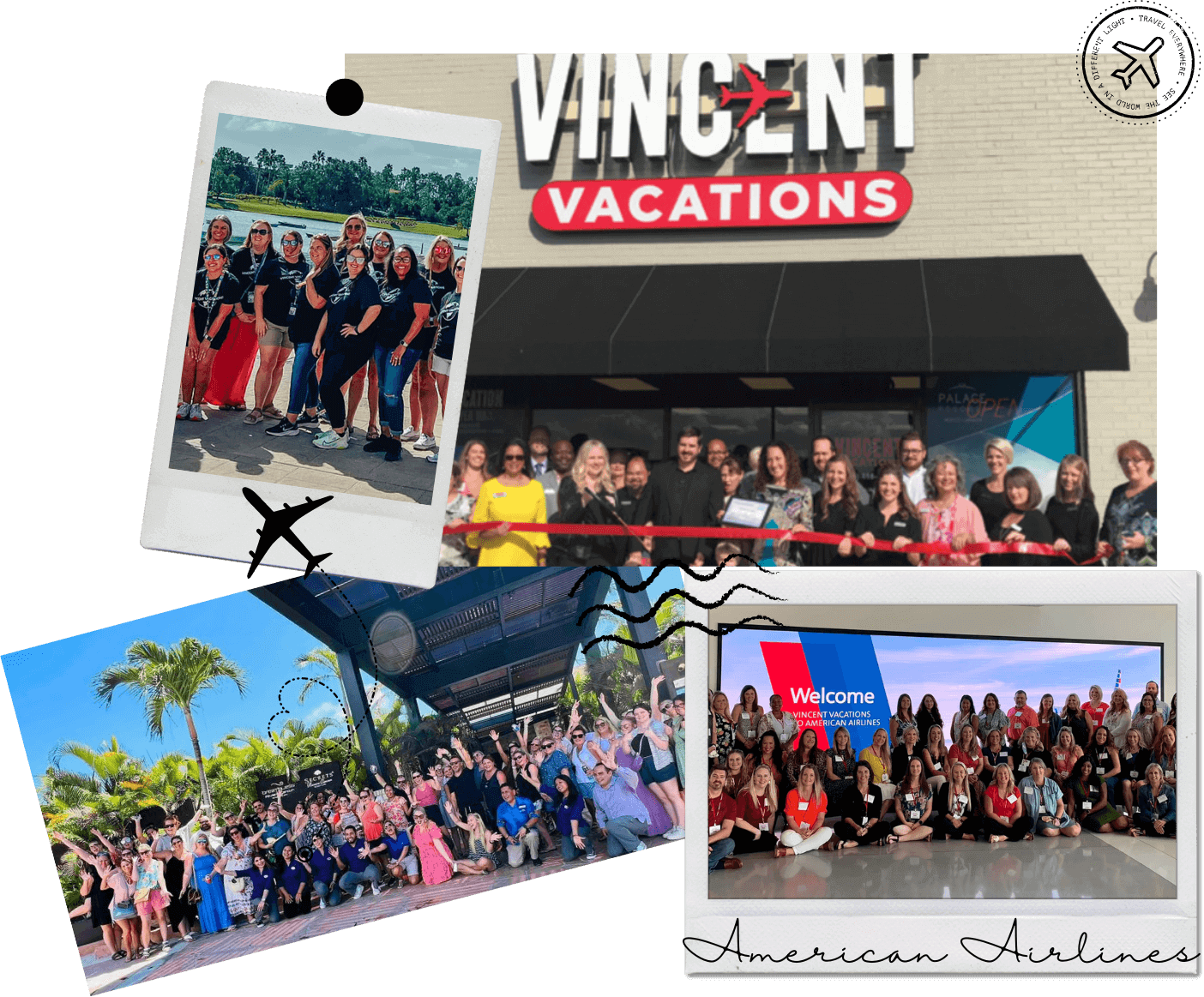
In travel since 2002, and in business since 2013, our travel team serves clients all over the US!
Planning a vacation away from home takes a great team.
We have taken the time to build a team of dedicated, smart, hard-working personnel who are each committed to excellence and service.
We work side-by-side, creating and ensuring INCREDIBLE vacation experiences for you and your group.
Our store front in-office team, and our travel consultant independent contractors, work all around the US - we even have a travel agent who lives in Mexico!
Start Your Next Trip With Vincent Vacations Today!
In business since 2013, we are your #1 source for travel!