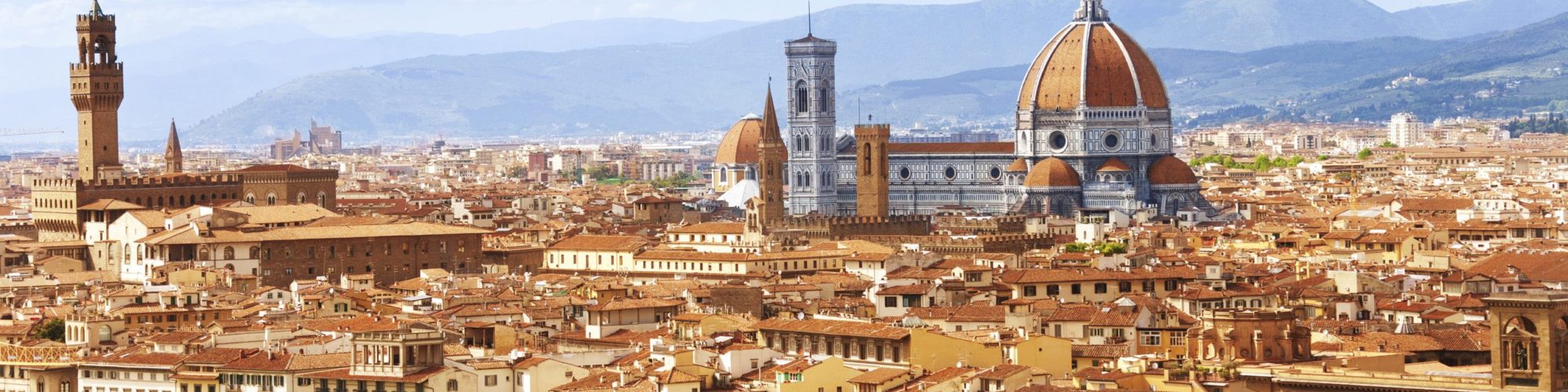
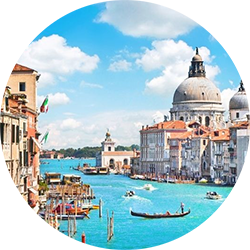
Land of la dolce vita (the sweet life), Italy is one of the world's best-loved destinations, and no wonder—two-thirds of the world's historical artistic heritage is there. Tuscany alone possesses more artistic treasures than the whole of Spain, which is the second country in the world for cultural heritage.
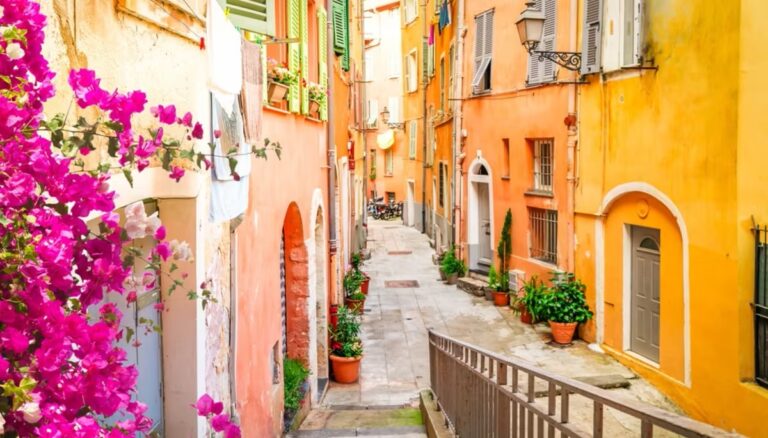
Whether you crave culture, gastronomy, cutting-edge design, sybaritic pleasures or simply the art of il dolce far niente—the sweet doing nothing—this is a country for lovers of all that is good in life. A visit to Italy is a lesson in living well. Open-air vegetable and fruit markets, neighborhood bakeries and fresh cheeses made daily are fixtures of Italian life. Tradition reigns: Neighbors still meet in the piazza to discuss the day, laundry is still line-dried, even in the largest of cities, and the passeggiata (leisurely stroll) is still made in the evening air—preferably with a gelato in hand. From the mountains to the coasts, the emphasis is on simple pleasures and high quality.
Geography
Italy resembles a boot about to kick the Sicilian "football," with the island of Sardinia already in the air. One of the most densely populated countries in Europe, Italy is characterized by rugged, mountainous terrain and thousands of miles/kilometers of coastline.
The Alps form a barrier to the north (blocking bad weather more successfully than they ever blocked invaders), and the Apennines run the length of the boot. Only in several regions is there relatively flat land: the Po River Valley in the north and Puglia in the south.
No place is very far from the sea. To the east is the Adriatic, to the southeast the Ionian and to the west the Tyrrhenian.
History
Some say that the people of Italy civilized Europe twice, once in ancient times and again after the Middle Ages. As the Roman Republic and later the Roman Empire, Rome ruled much of Europe, North Africa and the Middle East for nearly 1,000 years, until the Visigoths sacked Rome in AD 476 and the western empire fell.
Greek ideals and Roman justice were spread throughout the Mediterranean region by the empire's legions. Today, Rome's legal, cultural and scientific legacies endure throughout the world. Places as diverse as Japan, Louisiana and Brazil are ruled by modern versions of Roman law, and the Romance languages (including French, Italian, Portuguese and Spanish), as well as scientific terminology, are derived from Latin.
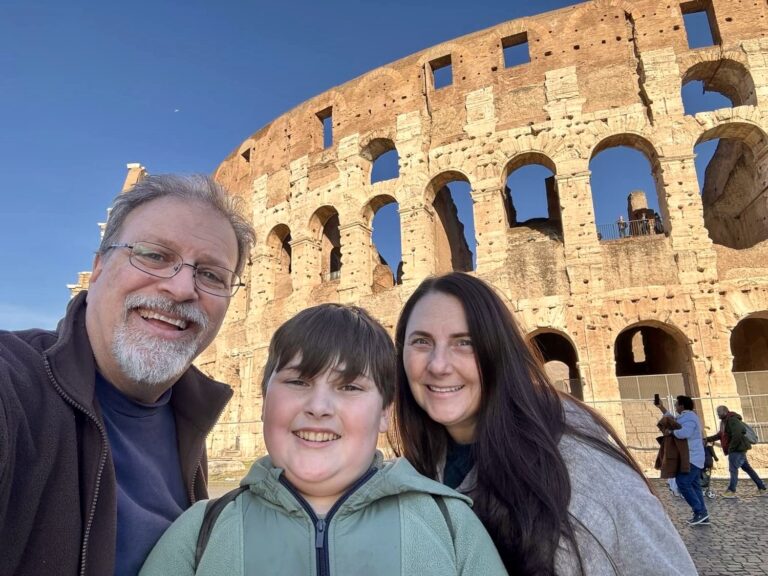
At its height, Rome controlled lands from the Irish Sea to the Caspian Sea; Roman ruins can be found from Great Britain to Morocco, Turkey and Jordan. During the Renaissance, Italy rose to the forefront of Western civilization again, when such notable citizens as Galileo, Michelangelo and Leonardo da Vinci made enormous contributions to science, art and architecture.
Although the Roman legal system and famous Roman roads gave Europe a vision of cultural unity, Italy itself only achieved political unity in 1870. Before then, modern-day Italy was a collection of squabbling kingdoms, duchies and city-states that were often dominated by outside forces. Although currently unified under the government in Rome, the country is still divided into 20 distinct regions, each with its own landscape, history, dialects, artistic styles, foods and architecture. For many visitors, it is Italy's diversity that lends the country its most distinctive charms.
In the past century, Italy has gone from monarchy to parliamentary system to fascism to a seemingly unending series of coalition governments—an average of one a year since 1946. The political situation, however, appears to have stabilized a bit in recent years. After a half-decade under the leftist Ulivo coalition, there was a backlash to the right. In 2001, the country elected Silvio Berlusconi, the controversial media magnate and leader of the Forza Italia coalition. Until early 2005, Berlusconi looked to be the first prime minister since World War II to stay in power through his entire term. But after several crushing defeats in local and regional elections, he resigned on 20 April 2005, then formed a new coalition government.
In April 2006, center-left leader Romano Prodi, a former European Commission president, claimed victory in Italy's election, but his government collapsed after only two years. Berlusconi was again elected prime minister in 2008, and in 2009 he founded the center-right People of Freedom political movement. He resigned in late 2011 amidst the debt crisis and loss of his party's majority in Parliament.
Following a succession of four prime ministers 2011-2016, in June of 2018 Giuseppe Conte was elected prime minister of the anti-establishment coalition government made up of the far right Lega party and the radical 5 Stelle party.
Snapshot
Italy's primary attractions include culture (modern, old and ancient), fabulous regional cuisine, historic sites, varied and stunning scenery, beaches, jagged coastline, architecture, world-class skiing, opera, watersports, elegant health and beauty spas, picturesque ruins, and shopping (for high-quality clothing, shoes, ceramics and designer goods).
Those who want a diverse, fairly informal vacation, who are romantics, and who love art, history and lovely settings will enjoy Italy. The air of blithe inefficiency in some parts of the country may be disconcerting for travelers who demand the correct, crisp efficiency of northern European countries: A timetable may be treated more as a romantic ideal than as an attainable goal.
Potpourri
Rumor has it that the colorful uniforms of the Vatican's Swiss Guard were designed by Michelangelo. But don't think the guard is just there for ceremonial purposes or to look pretty—it's a highly trained security force sworn to protect the pope.
Cigar smokers should try the curious Tuscan cigar, the Toscano vecchio. Made in Lucca of all-natural tobacco, it comes twisted together in groups of three and is sold all over Italy.
The Slow Food movement, born in Italy in 1986, protects distinctive regional foods and wine and promotes the art of savoring them. It's now an international organization that also is concerned with ecology and biodiversity issues.
Italians take their wine, very seriously. If fact, there is a squad of Italian police dedicated to sniffing (and tasting) out fraud. Trained as professional sommeliers, they make sure that the wine in the bottle is the same as the wine on the label. In 2007, they arrested a group of men shipping unmarked Italian wine to Germany, to be fraudulently sold as fine wine.
Location
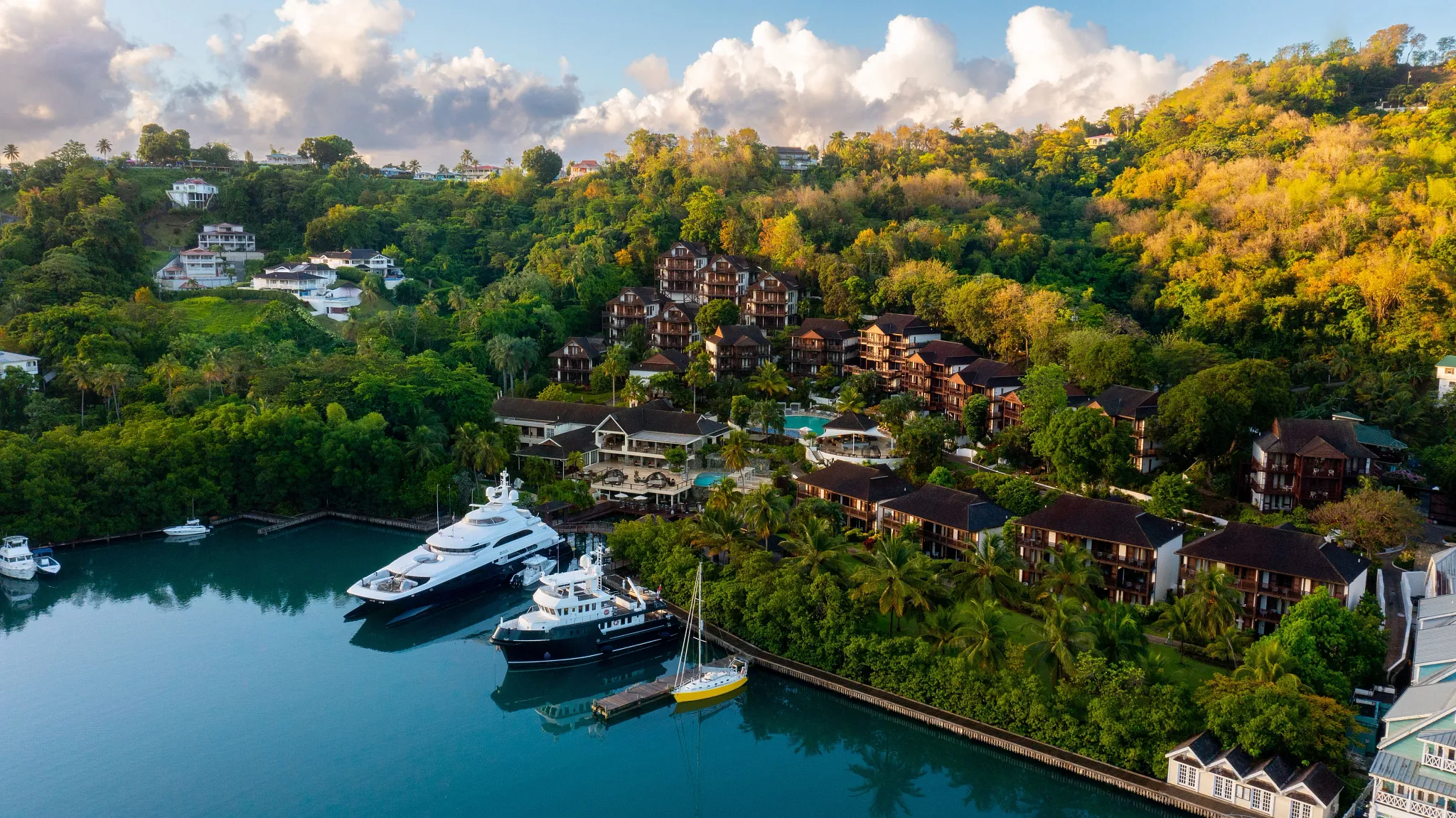
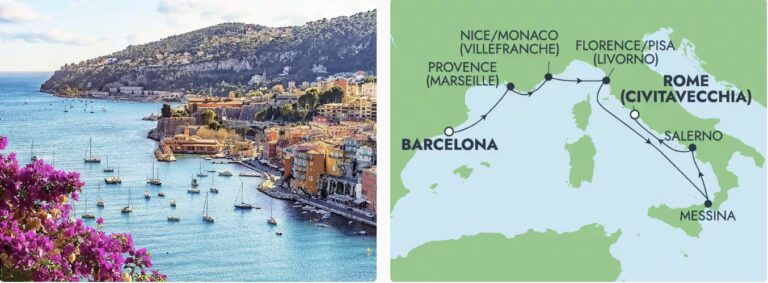
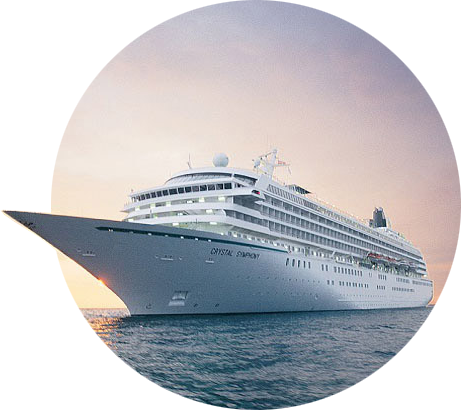
The boot of Italy, surrounded by five seas, is up to its thigh in water. It has a large number of departure and arrival points for Mediterranean cruise lines, as well as around-the-world itineraries.
Italy's most active ports are Venice, Genoa, Portofino and Ancona in the north; Civitavecchia, Salerno, Naples and Brindisi in the south; and Palermo in Sicily.
Ferries run much more often during the summer months, particularly July and August, when it is highly advisable to book tickets in advance. Correspondingly, many ferries run less frequently, or not at all, in the winter. Travel times vary from a few minutes to a few days.
Ferries bound for Greece leave from Brindisi or Ancona and take one or two days. A number of high-speed hydrofoils have cut the travel time to closer destinations in half, but they charge twice as much. For example, the trip from Naples to Palermo takes four hours, and from Rome/Civitavecchia to Sardinia only a bit longer. Not all ferries transport cars, so be sure to check first if you plan on taking one.